


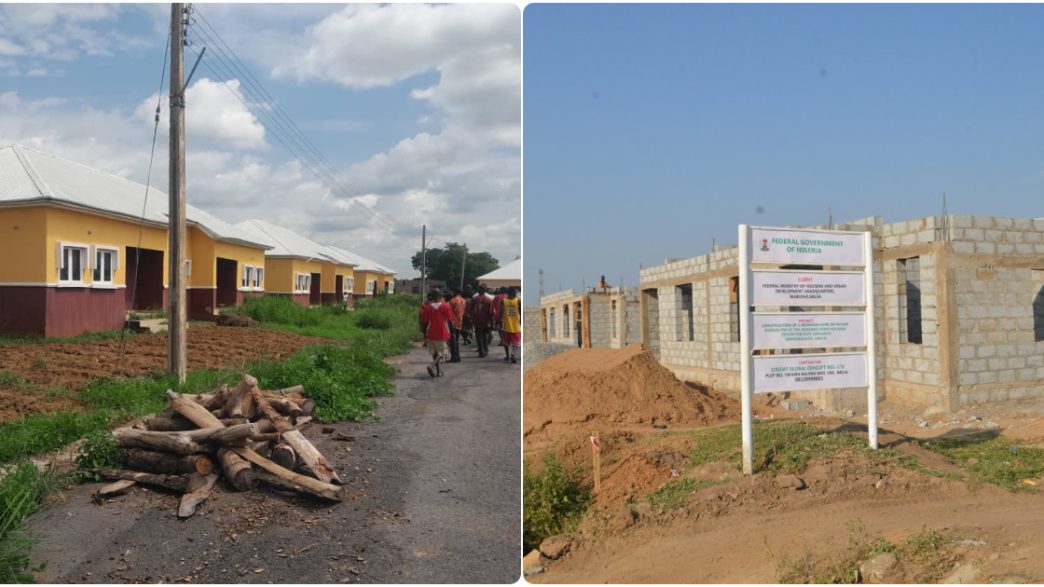
For many Nigerians, owning a home is becoming an increasingly distant dream. Even people with steady incomes struggle to save enough for a property. House prices, construction expenses and other costs continue to rise faster than their earnings.
Nigeria’s housing challenge is substantial. In January 2026, the Federal Government’s National Housing Data Technical Committee estimated the country’s housing deficit at 14.925 million units for 2025. However, the problem goes beyond the shortage of houses. Many Nigerians also struggle to afford the properties available.
READ ALSO: Lagos Governorship Debate: Housing, Traffic and Flooding, What Candidates Promised Voters 
Rising cost of building materials
Owning a home has become increasingly expensive. Cement, iron rods, roofing sheets and other essential materials have recorded significant price increases. Inflation, exchange-rate pressures and transportation costs have all contributed to the rising expenses.
These increases affect property developers, who often pass the additional costs on to prospective buyers. Consequently, newly built homes become more expensive.
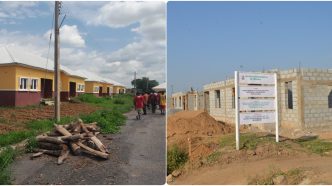
Individuals building their own houses face similar difficulties. A project that begins with a carefully planned budget may require substantially more money before completion. Some homeowners are forced to slow down construction, while others abandon their projects until they can raise more funds.
Property prices are outpacing incomes
The widening gap between property prices and earnings is another major obstacle. In cities such as Lagos and Abuja, owning a home in accessible locations often cost far more than average-income earners can afford.
An August 2026 report by GTI Investment Group highlighted the scale of the problem. It found that Lagos had a property price-to-income ratio of 19.2 times.
The report also noted that rental costs had increased by as much as 120 per cent in two years. Meanwhile, wage growth remained between seven and nine per cent. This gap makes it increasingly difficult for workers to save towards buying a home.
Why mortgages offer limited relief
Mortgages allow buyers in many countries to spread property payments over several years. However, this option remains difficult for many Nigerians.
High borrowing costs, substantial deposits and strict eligibility requirements discourage prospective buyers. Workers in the informal sector face additional challenges because they may lack the regular income records lenders demand.
As a result, many people rely on personal savings, family support or years of financial sacrifice to purchase a property.
READ MORE: How Nigerians Can Apply for Tinubu’s ₦100m Mortgage Loan
What needs to change?
Addressing Nigeria’s housing challenge requires more than building additional homes. The country also needs affordable long-term financing, transparent land administration and policies that encourage developers to provide homes ordinary Nigerians can afford.
The Federal Government’s Mortgage Refinance Initiative (MREIF) is one attempt to tackle the financing problem. The programme offers eligible borrowers a fixed annual interest rate of 9.75 per cent and repayment periods of up to 20 years.
However, its success will depend on how accessible it is to the people who need it most.
For many Nigerians, the dream of homeownership is not fading because they lack the desire to own property. Rather, the cost of achieving that dream is becoming increasingly disconnected from what they earn.
ALSO SEE: Tenant Rights in Nigeria: Before You Fight Your Landlord, Read This

About The Author