


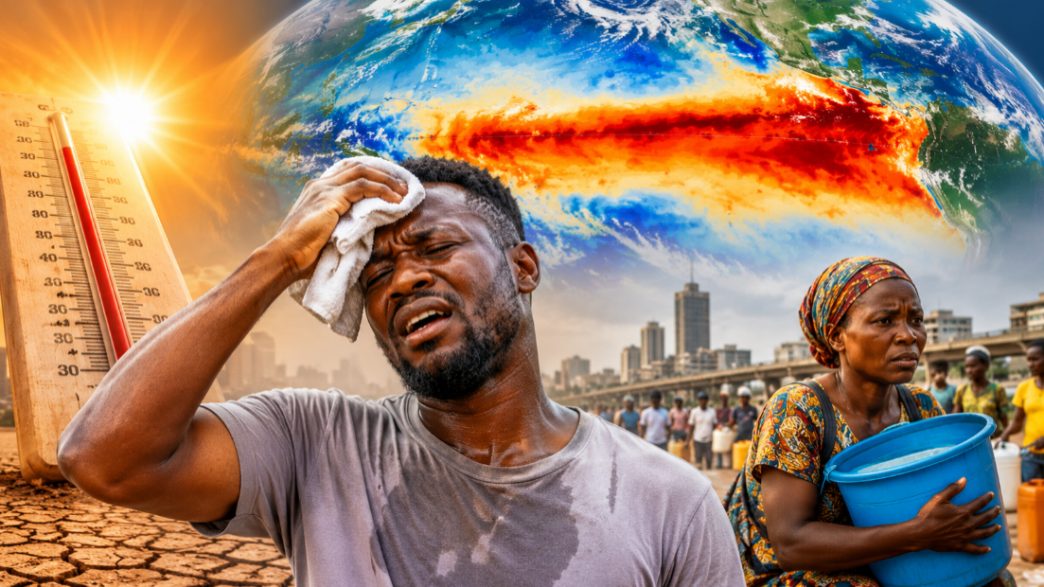
If you thought Nigeria’s heat was already behaving like a landlord who has lost all sense of humanity, scientists have another development to worry about. A powerful El Niño event is strengthening across the Pacific Ocean, with forecasts suggesting it could become one of the most extreme on record. The phenomenon, increasingly described as a Mega El Niño or Super El Niño, could influence temperatures, rainfall, droughts and extreme weather well into 2027.
And Nigeria, which already has enough problems without the atmosphere joining the opposition, could face hotter conditions, rainfall disruptions, pressure on water supplies and consequences for electricity generation.
NBG Africa previously explained what El Niño is and how it could affect Nigeria. But the situation has since intensified, and the Pacific Ocean appears to have upgraded from ordinary troublemaking to premium subscription chaos. 
What is happening to El Niño, and why are scientists worried?
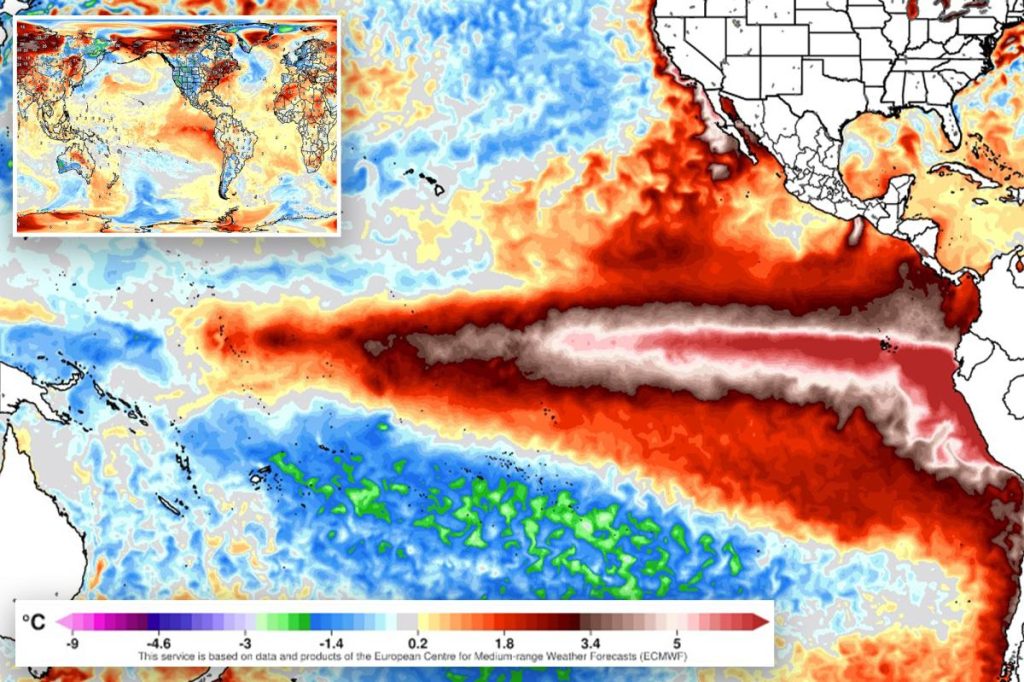
El Niño occurs when unusually warm surface waters develop across the central and eastern tropical Pacific Ocean, disrupting atmospheric circulation and influencing weather patterns around the world.
The current event has strengthened dramatically. The World Meteorological Organization (WMO) forecasts that Pacific sea-surface temperatures could reach approximately 3.8°C above their seasonal average during November 2026 to January 2027. The agency says the event could reach unprecedented strength in the monitoring records it has used over recent decades.
SEE ALSO: Nuclear Power in Nigeria: Nigerians Debate Atomic Energy Amid Electricity Crisis
For context, scientists generally classify El Niño as very strong when the Niño 3.4 sea-surface temperature anomaly reaches at least 2°C over a three-month period. Forecasts for the current event therefore suggest it could go considerably beyond that threshold.
That is why people increasingly use terms such as “Mega El Niño” and “Super El Niño.” They are dramatic descriptions rather than separate official scientific categories, but the underlying event is genuinely extraordinary.
The WMO expects El Niño to peak towards the end of 2026, with its effects potentially continuing into 2027. And because the planet already has a warming problem, this oceanic development could add another layer of heat to an already uncomfortable situation.
What does a Mega El Niño actually do?
El Niño changes the circulation of the atmosphere, shifting rainfall patterns and influencing temperatures in different parts of the world. Some regions experience drought, others receive excessive rainfall, while many experience unusually high temperatures.
A stronger event generally increases the potential for significant disruptions, but it does not automatically mean every country will experience the same disaster.
The WMO warns that very strong El Niño events can increase risks of extreme heat, drought, flooding and other weather extremes. Their precise effects depend on geography, season, local weather systems and other climate influences.
Nigeria could face hotter temperatures and uncomfortable dry spells
Nigeria is among the countries facing concerns about the current El Niño. Forecasts point towards above-normal temperatures across the country, with a possibility of drier-than-normal conditions during the coming months. No doubt you’ve already felt it; the extreme heat that feels like the last politician that went to hell forgot to close the door even as they’ve increased the output.
The November 2026 Copernicus seasonal outlook indicates a strong likelihood of warmer-than-average conditions across Nigeria between December and February, while rainfall forecasts lean towards drier conditions. That could mean more intense heat, longer dry spells and increased pressure on agriculture, water resources and public health.
NBG Africa previously reported projections from the Climate Impact Lab at the University of Chicago suggesting Nigeria could experience up to 31,400 additional heat-related deaths between September 2026 and February 2027. That figure represents a projection, not a confirmed death toll or an inevitable outcome.
The risks nevertheless deserve serious attention. Extreme heat can trigger dehydration, heat exhaustion and heatstroke, particularly among outdoor workers, children, older people and people with underlying health conditions.
ALSO SEE: Prostate Cancer: The Signs Men Should Not Ignore
Lagos could face water supply problems as heat intensifies
Lagos residents already know that water supply can become a complicated relationship. You may have a tap, a borehole, a water vendor and three prayer points, yet still find yourself rationing water before the month ends.
A prolonged dry spell could make that situation worse.
Reduced rainfall over time can lower water levels in reservoirs, rivers and other sources communities rely on. Increased temperatures can also raise water demand as households, businesses and industries consume more to cope with the heat.
Lagos’s dense urban environment makes matters worse. Concrete buildings, asphalt roads, limited green spaces and poor ventilation can trap heat, creating urban heat-island conditions that make built-up areas feel hotter than surrounding locations.
The Lagos State Government has already warned residents about possible extreme heat, dehydration, heatstroke and deteriorating air quality as the El Niño pattern strengthens and the dry season progresses.
However, Lagos should not assume that El Niño automatically guarantees a water crisis. The actual impact will depend on rainfall, water infrastructure, storage capacity, groundwater availability and government preparedness.
Will Mega El Niño cause power outages in Nigeria?
It could increase pressure on Nigeria’s already fragile electricity system, although El Niño alone cannot determine whether the country will experience blackouts.
Hotter weather means more people will switch on fans, air conditioners and refrigerators. That increased demand can strain an electricity system already struggling with generation, transmission and distribution problems. Rainfall shortages could also affect hydropower generation if water levels at relevant dams decline.
However, the extent of any impact would depend on conditions at individual reservoirs and Nigeria’s overall electricity generation mix.
In other words, El Niño may contribute to the problem, but it will not personally be responsible for every blackout. If your transformer explodes because somebody overloaded it with a welding machine and three air conditioners, the Pacific Ocean deserves to be left out of the investigation.
How Nigerians can prepare for the Mega El Niño
The sensible response is preparation rather than panic.
Residents should conserve water, stay hydrated, limit exposure to intense afternoon heat, wear lightweight clothing and pay attention to weather advisories from NiMet and relevant authorities.
Farmers should monitor rainfall forecasts and adjust planting decisions where necessary. Governments and water authorities should prepare for increased demand, protect vulnerable communities and improve heat-warning systems.
Nigeria cannot control temperatures thousands of kilometres away in the Pacific. But it can improve preparedness, reduce avoidable risks and ensure people receive timely information.
The Pacific is warming, but Nigeria should not panic
The developing El Niño is an extraordinary climate event, and forecasts suggest it could become one of the strongest on record. Its effects could reach Nigeria through hotter temperatures, shifting rainfall, dry spells and pressure on water, agriculture, health and electricity.
But “Mega El Niño” should not become another excuse for WhatsApp prophets to announce that Lagos will become the Sahara by Tuesday. The science calls for attention, preparation and monitoring—not panic, exaggerated predictions or pretending every possible consequence has already happened.
READ ALSO: 13th-Month Salary: What It Is, Where It’s Mandatory, and What It Means in Nigeria

About The Author