



On Wednesday, the family of veteran actor Pete Edochie announced that he had died at 79 after a long battle with prostate cancer. This has since raised questions :what are the prostate cancer symptoms, and how can doctors catch it early?
Prostate cancer is the most common cancer among men in Nigeria. The International Agency for Research on Cancer (IARC) estimates that Nigeria recorded about 18,000 new cases in 2022. That is more than a third of all new cancers in Nigerian men.
What Is the Prostate?
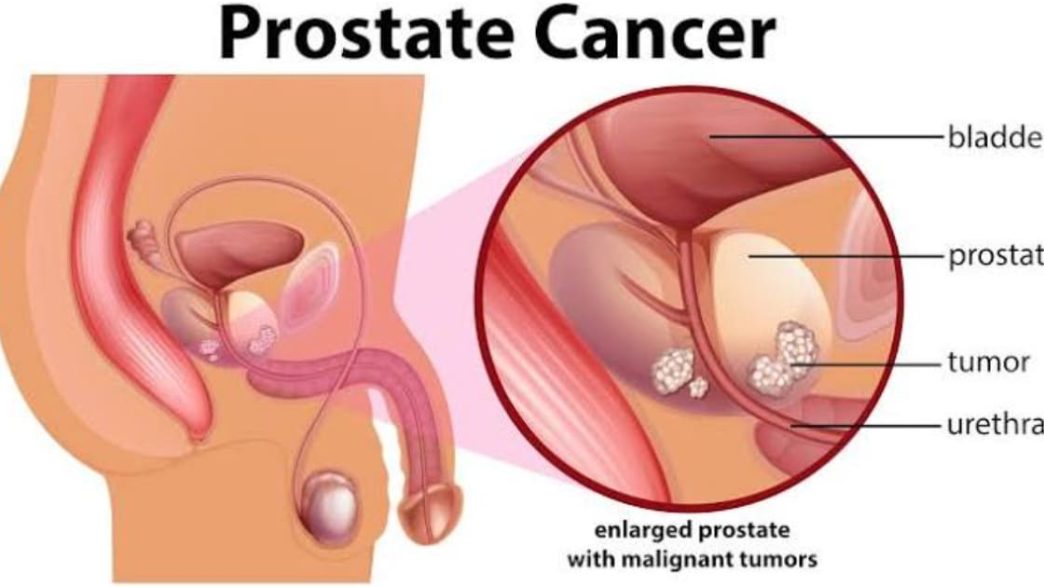
The prostate is a small gland below the bladder, found only in men. It surrounds the tube that carries urine out of the body. That’s why problems with the prostate often show up as changes in the way you urinate. 
Prostate Cancer Symptoms to Watch For
Here’s the hard part: prostate cancer often has no symptoms at first. According to the UK’s National Health Service (NHS), it usually starts growing on the outer part of the prostate. So it doesn’t press on the urine tube until it has grown or spread.
When symptoms do appear, they can include:
- difficulty starting to urinate, or straining to urinate
- a weak flow of urine
- “stop-start” urination
- needing to urinate urgently or often, especially at night
- feeling that your bladder isn’t empty after you’ve finished
In addition, other signs can include:
- trouble getting or keeping an erection
- blood in your urine or semen
- lower back pain and weight loss without trying, which may be signs of advanced cancer
However, these symptoms don’t always mean cancer. An enlarged prostate, a very common and non-cancerous condition in older men, can cause many of the same problems. That’s why it’s important to see a doctor rather than guess.
READ ALSO; Pete Edochie Opens Up About Health Struggles: “Walking Is a Problem for Me Now”
Who Is Most at Risk?
According to the NHS, your risk is higher if:
- you’re over 50, as risk rises with age
- you’re of Black African or African Caribbean background
- a close family member has had prostate cancer
- a close relative has had breast, ovarian or pancreatic cancer, especially at a young age
In other words, many Nigerian men fall into at least one high-risk group.
The Test That Can Help
Usually, the first step is a PSA blood test. In short, it measures a protein made by the prostate. A PSA test can’t tell you for certain that you have cancer, but a high result can show that something is affecting your prostate.
If the result is high, a doctor may refer you to a specialist. Next, the specialist may order an MRI scan. If needed, they may also do a biopsy, which means removing a small tissue sample from the prostate and checking it for cancer cells.
Don’t Wait for Symptoms
Because early prostate cancer is often silent, many men only find out once it has spread. So if you’re over 50, have a family history of the disease, or notice any changes when you urinate, talk to a doctor about a PSA test.
Pete Edochie gave Nigerians decades of unforgettable performances. One way to honour him is to urge the men in your life to get checked.
This article is for information only and is not medical advice. Speak to a doctor about your own health.
READ ALSO: Cancer Is Not Always Unavoidable: What Raises the Risk and What You Can Actually Prevent

About The Author