



A conversation among young Nigerians today can easily sound like a language of its own. Words and expressions such as “sapa”, “e choke”, “no gree for anybody”, “gbas gbos”, “soft life” and other Nigerian slang have become familiar, appearing in social media posts, music, advertisements and everyday conversations.
What makes Nigerian slang particularly interesting is how quickly some expressions move from online spaces into people’s daily vocabulary. A phrase that begins as a joke, a reaction to an event or an expression used by a particular group can eventually become something people use at work, in classrooms, on public transport and during ordinary conversations.
How social media spreads Nigerian slang
Social media has become an important part of this journey. Platforms such as TikTok, Instagram, X and Facebook allow expressions to travel beyond the communities where they first gained attention. 
A funny video, viral tweet, popular skit or trending sound can introduce a phrase to thousands, sometimes millions, of people. As others reproduce it in comments, captions, videos and conversations, the expression gains familiarity and becomes part of the wider online culture.
SEE ALSO: Nigeria Has 7 of the Biggest Church Auditoriums In The World In 2026, See the Top 10
However, Nigerian slang does not begin and end on the internet. Many expressions have roots in Nigerian Pidgin, Yoruba, Igbo and other indigenous languages, as well as campus culture, music, comedy and everyday street interactions.
Music, comedy and entertainment fuel the movement
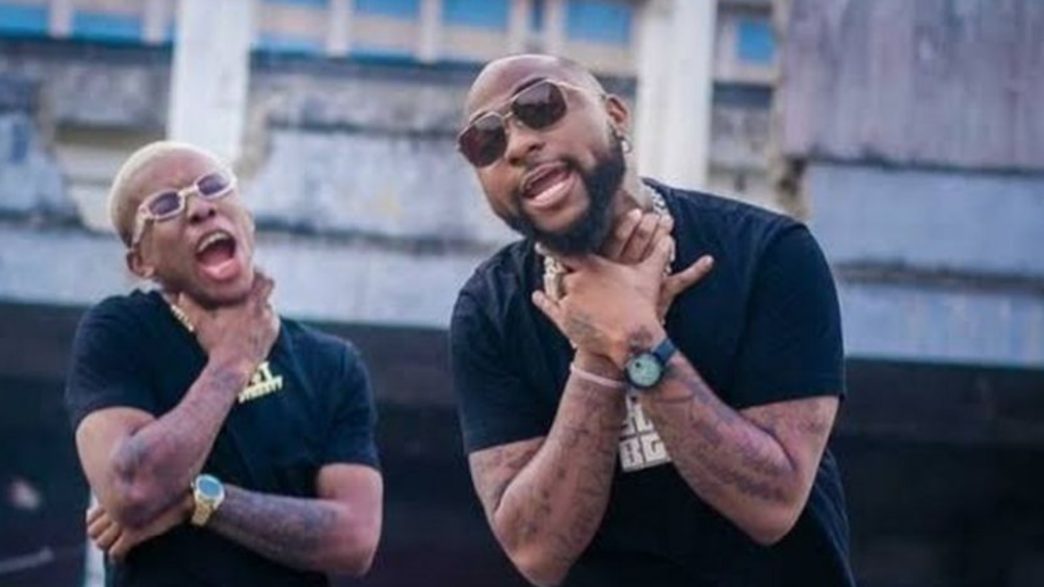
Entertainment also plays a significant role in the spread of Nigerian slang. Musicians, comedians, actors and content creators can introduce expressions to audiences who may not have encountered them otherwise.
A phrase used in a popular song or comedy skit can become widely repeated, especially when audiences begin incorporating it into their own content. Brands have also recognised this influence, using popular slang in advertising to sound relatable and connect with younger consumers.
However, the journey does not end when a phrase becomes viral. Its meaning can change as different people adopt it. Some expressions retain their original meanings, while others become humorous responses, reactions or ways of describing entirely different situations. People may even use them without knowing their original context.
This is part of how language evolves: through repeated use, adaptation and shared understanding.
What Nigerian slang says about our culture
Ultimately, the movement of Nigerian slang from social media into everyday language reveals more than our appetite for trends. It shows how Nigerians use language to express humour, identity, frustration, creativity and shared experiences.
Social media may accelerate the process, but the real influence of an expression is seen when it leaves the screen and becomes part of how people communicate with one another.
ALSO READ: Is Your Neighbourhood Church or Mosque Too Loud? How to Report Noise in Lagos

About The Author