




Nkanu Nnamdi, the 21-month-old son of novelist Chimamanda Ngozi Adichie and Dr Ivara Esege, died at Euracare Hospital in Lagos on January 7, 2026. His twin brother’s second birthday was already being planned by the family when Nkanu died less than a day after being admitted.
Esege, a board-certified family physician based in the United States, has now gone public with a detailed account of the months that followed and the obstacles his family says they faced in trying to get a public inquest into their son’s death completed.
What Happened the Day Nkanu Died
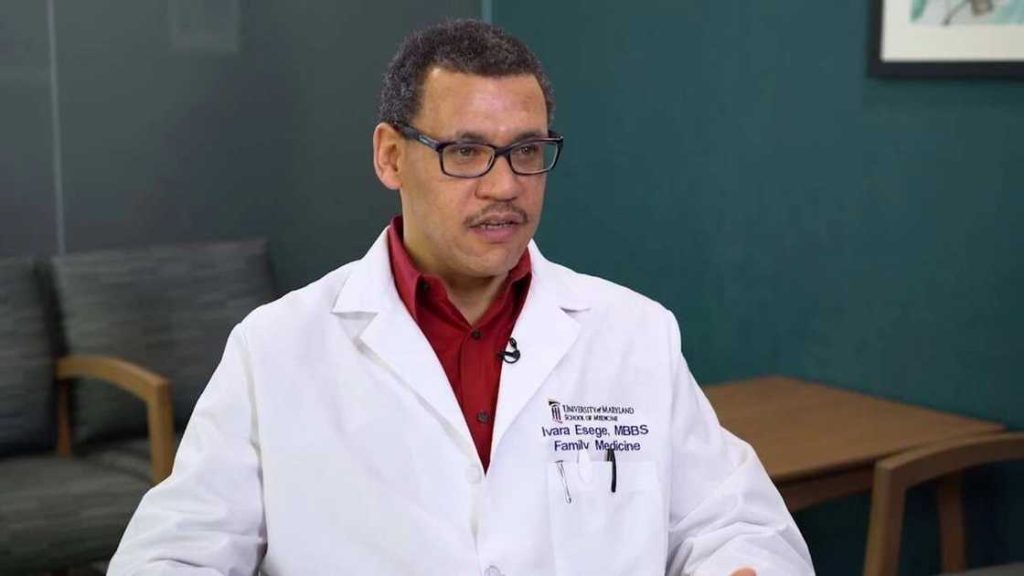
According to Esege, Nkanu had been referred to Euracare for diagnostic procedures, including an MRI, a PICC line insertion, and a lumbar puncture, ahead of a planned transfer to Johns Hopkins Hospital in the United States for further treatment. When he arrived at Euracare, he was conscious and interactive, and his vital signs were stable. 
Less than 24 hours later, he was dead.
Esege described the loss as devastating, compounded by trauma the family was already carrying from previous deaths; he had recently buried his younger brother, Andrew. “I should not be burying my son. It is my son who should bury me,” he said.
The family decided to cremate Nkanu and take him with them out of Nigeria. Esege says he informed Euracare’s chief medical director of this decision and asked for a recommendation for a cremation facility in Lagos. The hospital recommended Ebony Funeral Home, where Nkanu was subsequently cremated.
The Fight for Records

The family say their trust in Euracare began eroding almost immediately afterwards. They requested Nkanu’s complete medical records and incident reports. Euracare refused to provide them, a refusal Esege describes as the first clear sign of hostility from the hospital. The promised full investigation into the death, he says, never materialised.
On January 28, 2026, the family wrote to the chief coroner of Lagos requesting an inquest into Nkanu’s death. They were told that Euracare had already requested an inquest, claiming the death was unexpected and needed one. The family then joined the process Euracare had initiated.
A Process Marked by Delay
The first inquest sitting took place on February 25, 2026, with Esege joining via Zoom from the US. Euracare confirmed it was aware of the cremation and stated it was ready to proceed regardless. The coroner directed that Euracare would present its case first, followed by the family, since Euracare had initiated the inquest.
By the next sitting on April 14, Euracare was no longer ready. According to Esege, the hospital’s legal team disputed that any directive on presentation order existed and argued that the inquest could not proceed without a body. The coroner rejected the argument, stating it had already been addressed and that Euracare had previously indicated full readiness to participate.
A sitting scheduled for May 5 was entirely disrupted. Esege had flown to Lagos from the US, accompanied by his sister Anthea, prepared to testify. That morning, a representative of the Lagos State Attorney General asked the coroner to halt proceedings, citing a separately scheduled restorative justice meeting that the family say they neither requested nor were consulted on. When the coroner asked why she had not been informed of this meeting earlier, the representative reportedly replied, “I don’t know. I am just a messenger.” The coroner suspended all proceedings and left the courtroom.
A new date was set for June 3. On that day, Euracare told the inquest that it had gone to the High Court to stop the process completely, again mentioning the cremation as a reason to pause, even though Section 21 of Nigeria’s Coroners System Law clearly allows a coroner to continue an inquest even if a body has been destroyed or cannot be found.
SEE ALSO: Chimamanda Ngozi Adichie Loses One of Her Twin Sons
The Accusation That Followed
During the June 3 sitting, Euracare’s legal counsel went further, accusing the family of committing a crime. According to Esege, the hospital’s lawyer argued that the cremation amounted to “wilful destruction” intended to “conceal evidence”, stating, “What they did is punishable by 15 years’ imprisonment. ” The issue is whether somebody who has done something wrong under the law can push for an inquest.”
Esege rejects the accusation entirely, stating that the cremation was carried out openly, on a recommendation from Euracare’s own chief medical officer.
The coroner ultimately set the next sitting for October 8, 2026, not to continue the inquest itself, but to assess the status of Euracare’s High Court filing. This means the inquest remains effectively paused regardless of the outcome.
A Regulatory Finding Against the Hospital
Separate from the inquest, the Medical and Dental Council of Nigeria (the statutory body that regulates medical practice in the country) established an investigative panel into Nkanu’s death. In a letter dated February 25, 2026, the panel found that Euracare’s chief medical director, Dr Tosin Majekodunmi, and the anaesthesiologist who administered sedation to Nkanu, Dr Titus Ogundare, have a case of negligence to answer.
SEE ALSO: Doctors Demand Apology From Chimamanda Adichie Over Claims About Son’s Death
What the Family Is Asking For
By October 2026, nine months will have passed since Nkanu’s death. Esege has been clear about what the family wants—not compensation, but a complete and honest account of what happened, delivered through the judicial process the hospital itself initiated.
As the coroner stated during one of the sittings, the inquest “is inquisitorial and not adversarial, and it is aimed at ascertaining the truth, helping the family heal, and preventing a recurrence”.
Esege has raised a broader concern about what this case represents beyond his own family, questioning how many other Nigerian families may have faced similar obstruction from powerful hospitals without the resources to challenge it. He has called for the inquest to be allowed to proceed without further delay, arguing that anything less would amount to an abuse of the judicial process itself.

About The Author