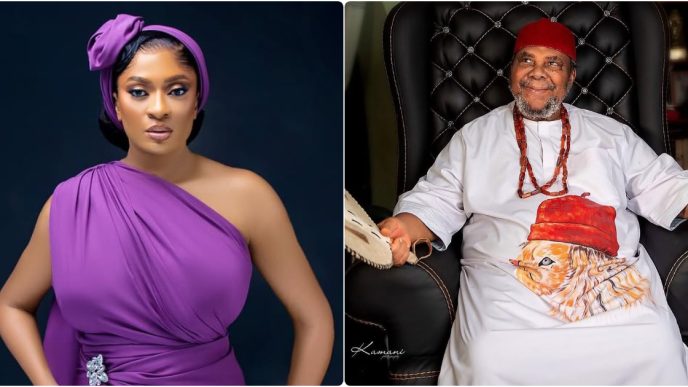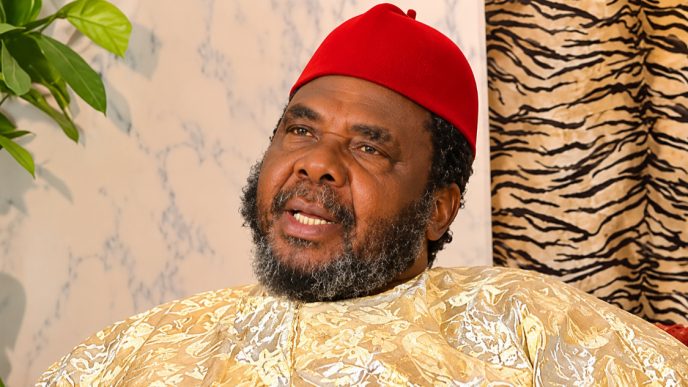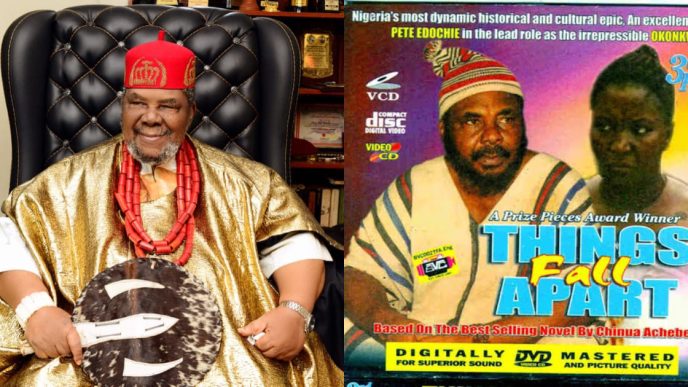



There are television characters that entertain us, and there are those that stay with us long after the screen goes dark. For generations of Nigerians, Okonkwo was one such character. Fierce, proud, commanding and fiercely protective of his traditions, he was a man whose presence could fill a room even without uttering a word. The actor who brought him to life was Pete Edochie, a man whose interpretation of the character would become one of the most memorable performances in Nigerian television history.
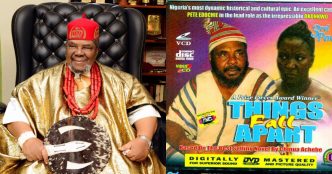
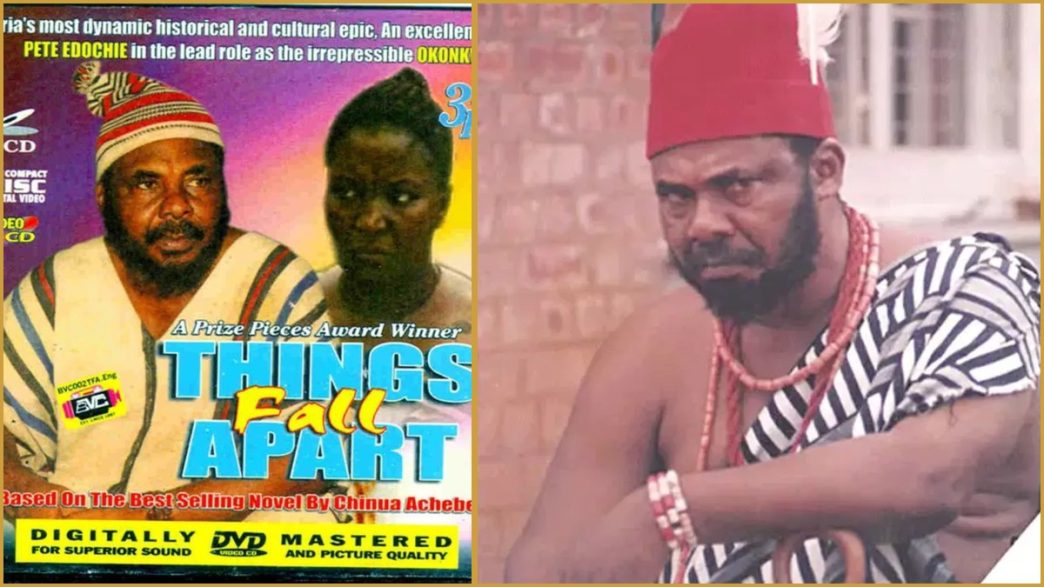
News of Edochie’s passing at 79 has reopened a treasure chest of memories for millions of admirers. While his decades-long career produced numerous memorable performances, it is perhaps his portrayal of Okonkwo in the 1987 television adaptation of Chinua Achebe’s literary masterpiece, Things Fall Apart, that remains most deeply etched in the memories of older Nigerian audiences.
As tributes pour in, revisiting this evergreen production offers an opportunity to celebrate not just an extraordinary actor but also a defining moment in African storytelling. 
When Nigerian Television Brought Okonkwo into Our Homes
Long before Nollywood became the internationally recognised film industry it is today, Nigerian television played a significant role in shaping the country’s entertainment landscape. Families gathered around their television sets to watch productions that reflected their history, traditions, struggles and everyday experiences.
Among the productions that captured the national imagination was the Nigerian Television Authority’s 1987 adaptation of Things Fall Apart, based on Chinua Achebe’s 1958 novel.
The story introduced television audiences to Okonkwo, a respected warrior and influential member of the fictional Umuofia community. His achievements, physical strength and determination to rise above his father’s reputation earned him considerable respect. However, beneath his formidable exterior was a man driven by an overwhelming fear of appearing weak.
Pete Edochie was 38 when he took on the demanding role. His performance gave television audiences a compelling interpretation of a character they had previously encountered in the pages of Achebe’s celebrated novel.
For many viewers, Okonkwo was no longer simply a literary creation. He had a face, a voice and a personality.
Pete Edochie: The Man Who Became Okonkwo
One of the remarkable things about Edochie’s performance was his ability to communicate authority without appearing to force it. His deep, distinctive voice, measured delivery, facial expressions and commanding screen presence made him particularly convincing as the proud Igbo warrior.
He understood that Okonkwo was not simply a strong man. He was a complicated character whose greatest strengths were also responsible for his eventual downfall.
Okonkwo’s determination to avoid the perceived weakness of his father, Unoka, influenced almost every aspect of his life. He worked relentlessly to acquire wealth, titles and social recognition. Yet his fear of appearing weak often translated into aggression, intolerance and an inability to express affection.
Edochie’s portrayal captured these contradictions. He brought out the character’s authority and pride while allowing audiences to glimpse the insecurities beneath them.
This was particularly important because Achebe’s story was never simply about an accomplished warrior. It examined the consequences of excessive pride, the conflict between tradition and change, and the devastating effects of colonial interference in an established society.
Edochie gave these themes a human face.
READ ALSO: From Okonkwo to Lionheart: 10 Pete Edochie Movies That Made Him a Nollywood Legend
From Okonkwo to Ebube Dike
Few actors become so closely identified with a character that the character’s name follows them throughout their lives. Pete Edochie achieved precisely that.
For years, admirers affectionately addressed him as Ebube Dike, a name that became almost inseparable from his public identity.
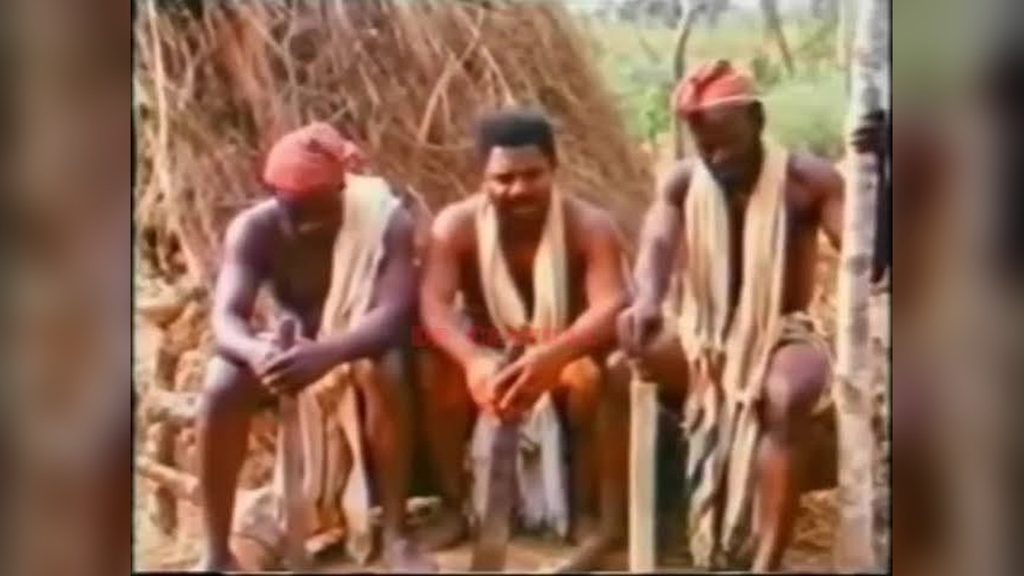
In a 2015 interview with Vanguard, Edochie explained that Chinua Achebe himself gave him the name. He recalled that the celebrated author was particularly pleased with his interpretation of Okonkwo and never addressed him as Pete, preferring Ebube Dike instead.
It was a remarkable endorsement from the creator of the character.
The relationship between the actor and the author also speaks to the importance of a successful literary adaptation. While an actor cannot replace the imagination of a novelist, a convincing performance can introduce a literary work to audiences who might never have encountered it otherwise.
For many Nigerians, Edochie’s performance became their most vivid visual memory of Achebe’s Okonkwo.
Things Fall Apart: A Story That Has Refused to Grow Old
Although Pete Edochie’s performance remains a major attraction of the television adaptation, the enduring relevance of Things Fall Apart goes far beyond its memorable casting.
Published in 1958, Achebe’s novel tells the story of an Igbo community at a defining moment in its history. Through Okonkwo’s personal struggles and eventual tragedy, the author examines the disruption of traditional society following the arrival of European colonialism and Christianity.
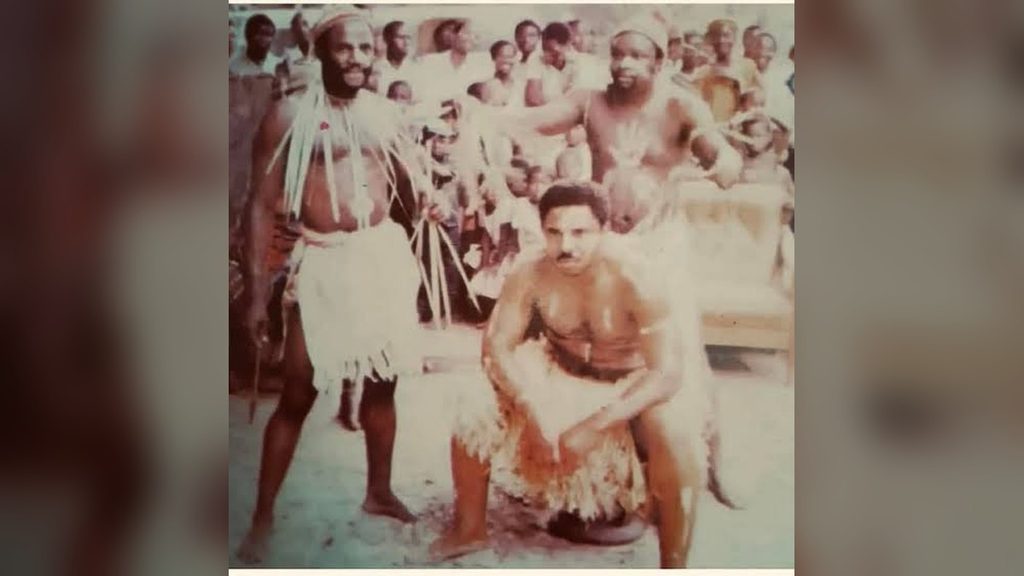
The novel challenged the way Africa and its people were represented in literature. It presented an African society with its own systems of government, justice, religion, commerce, social organisation and cultural values.
Its adaptation for Nigerian television brought this important story to an even wider audience.
For older viewers, the series also offered an opportunity to reconnect with familiar cultural expressions, traditional institutions, communal values and aspects of Igbo life that were rarely represented with such prominence on television.
Even today, its central themes remain relevant. The tension between tradition and modernity, the dangers of unchecked pride, the consequences of cultural misunderstanding and the complexities of social change continue to resonate across generations.
That is perhaps one reason the production remains worth revisiting.
Beyond Okonkwo: A Career That Defined Generations
Although Things Fall Apart brought Edochie widespread recognition, his contribution to Nigerian entertainment extended well beyond the iconic role.
Before becoming a celebrated actor, he had built a career in broadcasting. His experience in the industry helped shape his understanding of communication, storytelling and performance.
He subsequently became one of Nollywood’s most recognisable faces, appearing in numerous productions and frequently portraying traditional rulers, patriarchs and influential community figures.
His performances in films such as Igodo and Lionheart demonstrated his versatility and enduring relevance in an evolving entertainment industry.
His distinctive delivery, memorable expressions and command of dialogue became familiar features of Nigerian cinema. Younger actors also had an opportunity to observe a performer whose career demonstrated the value of discipline, experience and commitment to one’s craft.
His contribution earned him several honours, including the national honour of Member of the Order of the Niger (MON).
An Iroko Has Fallen, But the Stories Remain
The passing of Pete Edochie marks the end of an extraordinary chapter in Nigerian entertainment. Yet his work offers something that death cannot take away: the opportunity for audiences to revisit performances that have become part of our collective cultural memory.
For those who watched Things Fall Apart when it first appeared on television, remembering Edochie is also an invitation to revisit a different era of Nigerian broadcasting. It recalls evenings when families gathered around television sets, when local productions commanded attention and when stories rooted in African history and culture occupied an important place in national entertainment.
For younger audiences, his legacy offers an opportunity to discover the actor behind some of the most recognisable performances in Nollywood.
Perhaps the greatest tribute we can pay him is to revisit the production that introduced his extraordinary talent to millions of viewers and rediscover the story that brought Okonkwo into our living rooms.
Pete Edochie may no longer walk among us, but his voice, performances and unforgettable interpretation of Okonkwo will continue to echo through the history of African cinema.
An iroko has fallen. But some trees leave behind roots so deep that generations will continue to draw from them.
May his soul rest in peace.
READ MORE: From Goats to Marriage: How Pete Edochie Turned Everyday Things Into Life Lessons Through Proverbs

About The Author