




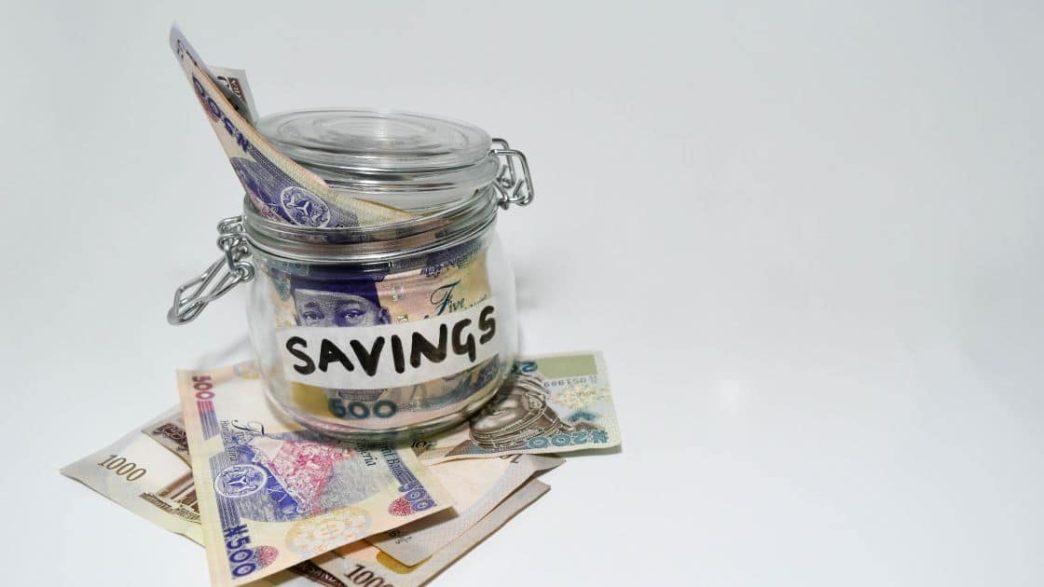
If you want to know how to save money on a low salary in Nigeria, the first thing you need to understand is that saving money on a ₦100,000 salary is not the same as saving money on a ₦1 million salary. One person can decide to stop buying Chicken Republic; the other is wondering whether ₦2,000 can survive transport, lunch and a random family emergency.
With the cost of food, transportation, electricity, rent and data constantly competing for your money, saving can feel like trying to fill a bucket with water while somebody underneath keeps drilling holes in it. One day you’re saving money, the next day your savings are the ones saving you.
But saving on a low income is possible. You don’t need to save ₦50,000 every month, become a minimalist who owns three shirts, or stop enjoying your life entirely. You need a realistic system, small habits and a few strategies that stop your money from disappearing before you can even greet it properly. 
So, buckle up as we look at ways to save money while earning a low salary in Nigeria. A lot of us definitely need it.
10 realistic ways to save money on a low salary in Nigeria
1. Start saving something, even if it’s embarrassingly small
The biggest mistake people make when learning how to save money on a low salary in Nigeria is waiting until they earn more. You tell yourself, “When my salary reaches ₦200,000, I will start saving.” Your salary reaches ₦200,000, and suddenly your landlord has upgraded his financial ambitions. You are still broke, just with a more expensive problem.
Or sometimes, it could even be you. Some of us, our appetites expand linearly with our paycheck. You get a salary increase, and suddenly Mummy Esther’s bread and beans knockout combo no longer tastes so… refined. You’re now Item7 material, or Cravings and More. Old things have passed away. Don’t worry; your salary will also join them in passing away.
Start saving. Start with whatever you can genuinely afford. If you earn ₦80,000, try ₦2,000 monthly. If you earn ₦150,000, perhaps ₦5,000. If you can manage ₦10,000 without borrowing before month-end, excellent.
The goal initially isn’t to become rich from savings. It is to develop the habit of keeping something aside instead of spending every naira because it happens to be available.
SEE ALSO: Your Spouse May Not Be Able To Access Your Money When You Die, Here’s Why
2. Save immediately after payday, not at the end of the month
Saving whatever remains after spending is like asking a hungry Nigerian to guard a pot of jollof. You already know how that story ends. Instead, move a small amount into savings immediately after your salary lands. Even ₦1,000, ₦2,000 or ₦5,000 counts.
If your salary arrives irregularly, save a small percentage whenever money comes in. For example, put ₦500 aside from every ₦10,000 you receive. That way, you can still save from side jobs, commissions, overtime and occasional gifts without waiting for a perfect salary month that may never arrive.
The money should leave your spending account before your friends, family, online shopping apps and appetite begin negotiating with it.
3. Make a budget that reflects your actual life
Forget forcing yourself into the famous 50/30/20 budget if your salary barely covers your basic needs. Spending 50% on necessities might be impossible when rent, transport and food already consume 80% of your income.
Write down your actual monthly expenses:
- Rent contribution
- Food and groceries
- Transport to work
- Electricity and water
- Data and airtime
- Family responsibilities
- Debt repayments
- Personal expenses
Then see what you can realistically reduce. You don’t need a financial spreadsheet with 17 tabs and a dashboard that looks like LIRS is monitoring your spending (which they probably are). A notebook, your phone’s notes app or a simple WhatsApp message to yourself will do.
The point is to know where your money goes before it disappears and leaves you searching your bank app like a crime investigator.
4. Cook more and reduce unnecessary food spending
Food is one of the biggest expenses for Nigerian households. Piggyvest’s 2025 savings report identified food and groceries among the leading spending categories for respondents.
If you buy lunch every working day, calculate what it costs you weekly. Spending ₦2,000 daily for 20 workdays means ₦40,000 monthly. That is not small money when your salary is already fighting for survival.
You don’t have to become a full-time chef. Cook rice, beans, stew, soup or other meals that can last several days. Prepare food in batches when practical, carry lunch to work when possible, and reduce buying snacks, drinks and food on impulse.
Buying ingredients in bulk can help too, but only when the bulk purchase genuinely saves money and you can store it properly. Buying a bag of rice when you live alone, have nowhere to store it and barely eat rice is not budgeting. Your rats will thank you, though.
5. Reduce transport costs without destroying your punctuality
Transport can quietly eat a large chunk of a low salary, particularly if you work far from home.
Practical ways to reduce it include:
- Combine errands instead of making separate trips.
- Walk short, safe distances where practical.
- Share rides with colleagues travelling along the same route.
- Compare alternative routes, but don’t choose a cheaper route that adds three hours and makes you hate your life.
- If possible, negotiate occasional remote work or adjusted hours to avoid expensive peak-hour trips.
If you spend ₦1,500 daily on transport for 22 working days, that is ₦33,000 monthly. Even reducing your daily transport costs by ₦200 saves ₦4,400 a month. Small reductions become meaningful when repeated.
ALSO SEE: 30 common job interview questions and how to answer them
6. Stop paying for things you barely use
Check your recurring expenses. Are you paying for streaming subscriptions you hardly watch? Multiple data plans? Premium apps? Gym membership you last used when your New Year’s resolutions were still alive? They’re a lot.
Cancel what you don’t use. Share subscriptions where the service permits it. Compare data bundles and buy plans that match your actual usage rather than automatically purchasing the same package every month.
Also, be careful with frequent small transfers, delivery charges, bank fees and impulse purchases. A ₦1,000 expense may look harmless until it happens 15 times.
7. Create a small emergency fund before chasing investments
Your first savings target should not necessarily be a car, land or a foreign trip. Start with money you can use when life decides to misbehave.
Aim initially for ₦10,000, then ₦20,000, then perhaps enough to cover one month of essential expenses. Eventually, work towards three months of necessities, but don’t panic if that takes years.
An emergency fund can help you handle medical expenses, unexpected transport, urgent repairs or a temporary loss of income without borrowing from loan apps charging interest like they personally sponsored your hardship.
Keep this money somewhere accessible but separate from your everyday spending account.
8. Use savings groups carefully
Traditional ajo, esusu or contribution groups can help people save because they create discipline and accountability. Nigeria’s financial inclusion data also shows that informal savings groups remain important for many people, particularly lower-income households.
However, join only a group you trust, understand the contribution schedule, and know who holds the money. Don’t contribute ₦20,000 monthly because everybody else is doing it when you can barely afford ₦5,000. Peer pressure is not a financial strategy.
If a group operates transparently and you can comfortably afford the contribution, it may help you save consistently.
9. Avoid loan apps and fake investment opportunities
Nothing destroys savings faster than borrowing unnecessarily. Taking a loan to fund outings, buy clothes or maintain a lifestyle you cannot afford can leave you paying back money long after the enjoyment has expired.
Also avoid investment schemes promising ridiculous returns, especially those requiring you to recruit friends or family. If somebody promises to double your ₦10,000 in seven days, please ask yourself why they haven’t doubled their own money and retired to Dubai.
Build your savings gradually, use reputable financial institutions, understand withdrawal conditions and never put your emergency money into something you don’t understand.
10. Find small ways to earn extra money
Sometimes the problem isn’t that you spend too much. Sometimes the salary is simply too small for the responsibilities sitting on your head.
If you have a skill, consider tutoring, weekend services, freelance writing, graphic design, hairdressing, baking, repairs, virtual assistance, selling second-hand items or helping small businesses manage social media. Choose something that doesn’t require you to borrow heavily to start. Also, avoid side hustles that demand ₦200,000 in registration fees before explaining what you will actually do.
Whenever you earn extra money, try saving a portion before upgrading your lifestyle. Your salary can continue paying the bills while your side income slowly builds your financial cushion.
How to save money on a low salary in Nigeria: The final word
Saving money on a low salary in Nigeria isn’t about pretending you don’t have needs. It is about making deliberate decisions with the limited money available.
Start small. Save consistently. Reduce expenses that genuinely can be reduced. Don’t punish yourself for occasionally enjoying life, and don’t compare your savings with somebody earning five times your salary. Even ₦2,000 saved regularly is better than waiting for a magical salary increase that arrives with 14 new financial responsibilities.
Your first goal isn’t to become a millionaire next month. It is to make sure that when an unexpected expense arrives, you don’t immediately start looking for a loan app, your village people or a miracle.
ALSO READ: How to Write a CV for a Job in Nigeria With No Work Experience

About The Author