



Afrobeats is starting to mean whatever global award shows want it to mean rather than what it actually is. If the artist is African, the song is popular, the beat is danceable, and the West cannot immediately explain the sound, there is a good chance someone will push it into an Afrobeats category.
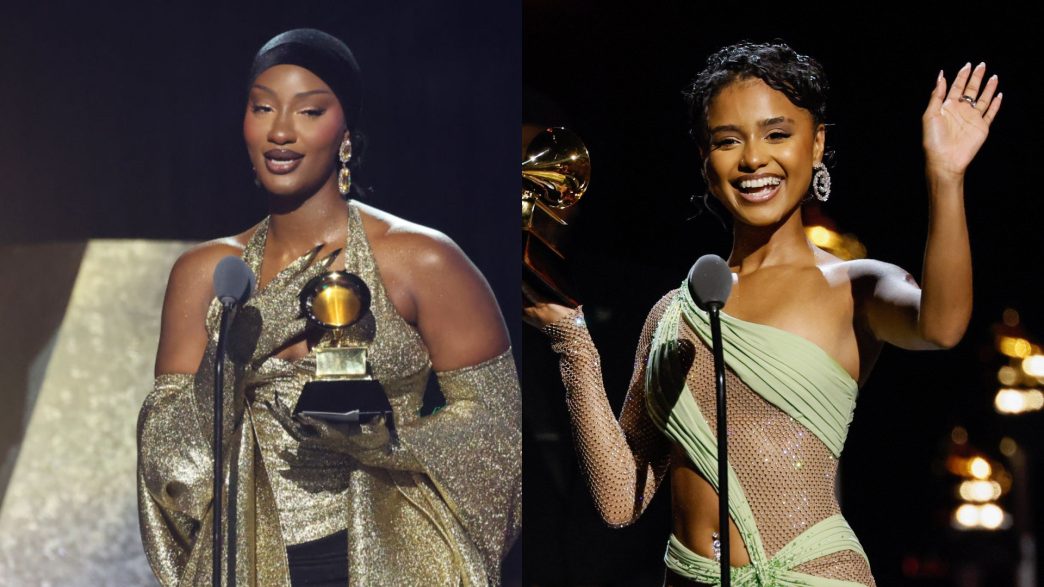
That is why Tyla’s repeated wins in Afrobeats categories keep reopening the conversation of what Afrobeats really is. The South African singer is one of Africa’s biggest global stars right now, and her success is not in question. However, her sound is heavily connected to Amapiano, pop, R&B, and South African dance music. 

When she wins Afrobeats awards, the issue is not whether she deserves recognition. The issue is whether Afrobeats has become the industry’s lazy name for every African hit.
What Is Afrobeat?
Before Afrobeats became a global category, there was Afrobeat.
Originating in West Africa, the genre emerged in the 1960s during a period of intense political tension and social unrest in Nigeria. At its core, Afrobeat fused jazz, funk, highlife, American blues, traditional Yoruba music, African chants, and heavy percussion into a sound that felt both local and global. Britannica notes that Fela Kuti pioneered the genre by seamlessly blending these Black American sounds with Nigerian rhythms.
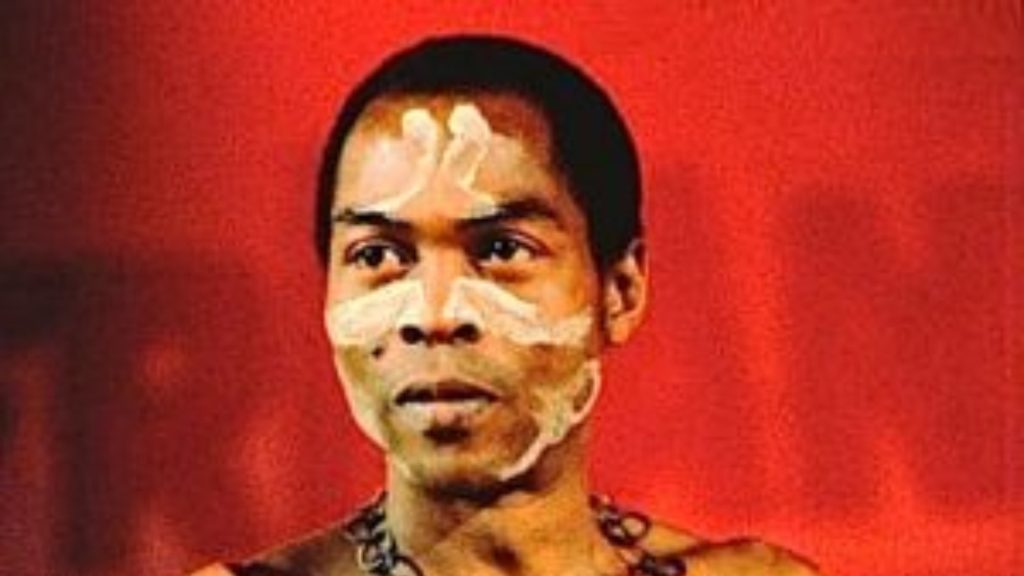
But Fela’s music was more than just a sonic experiment; it was political, rebellious, long-form, and deeply rooted in resistance. He used Afrobeat as a weapon to challenge military rule, corruption, class oppression, and the failures of the Nigerian state.
Zombie, recorded with his band Africa 70, became one of the defining records of this movement. Over the decades, Afrobeat spread across the globe, heavily influencing genres like pop, R&B, hip-hop, and electronic dance music. Today, the most notable names historically linked to the genre remain Fela Kuti, Femi Kuti, and the legendary drummer Tony Allen.
Then Came Afrobeats
Modern Afrobeats—with the plural “s”—is entirely different.
While it carries some influence from Fela’s Afrobeat, it is not the same genre. Afrobeats is a 21st-century pop movement that grew predominantly out of Nigeria and Ghana, blending local rhythms with pop, dancehall, hip-hop, R&B, highlife, street sounds, and sleek global production. Shorter, smoother, and distinctly radio-friendly, this club-ready sound was built to move effortlessly across streaming platforms and international stages.
This is the sonic wave that gave the world global powerhouses like Wizkid, Davido, Burna Boy, Tiwa Savage, Mr Eazi, Rema, CKay, Tems, Ayra Starr, and Asake. Ultimately, it is the sound that propelled African pop onto global charts, major festival lineups, high-fashion campaigns, prestigious award shows, and massive international collaborations.
ALSO READ: Omah Lay, Fela Is Not the Pioneer of Afrobeats— This Is The Actual Pioneer
How Afrobeats Became Too Convenient
At some point, the global music industry stopped trying to understand African music properly and started using “Afrobeats” as a lazy catch-all phrase. Today, if a song is African, catchy, danceable, and internationally successful, it automatically gets pushed into the Afrobeats category.
But African music is not a monolith; it is not one big sound with different accents. Amapiano is not Afrobeats. Gqom is not Afrobeats. Bongo Flava is not Afrobeats. Asakaa is not Afrobeats. Similarly, Afro-house and African R&B do not automatically become Afrobeats just because the artist behind them happens to be African. These distinct genres can influence each other, collaborate, share audiences, and blend beautifully—but they are fundamentally not the same thing.
This raises a simple question: do global award shows actually understand what Afrobeats means, or are they just relying on the only African category they know?
This is the mistake western institutions keep making. They want to celebrate African music, which is commendable, but instead of naming the sounds properly, they squeeze entirely different genres under one umbrella because it is convenient. When everything is labeled Afrobeats, African music gains visibility but loses its rich detail.
This is not about gatekeeping; it is about respecting the music enough to name it properly. Afrobeats absolutely deserves its global moment, but Amapiano, Gqom, Bongo Flava, Asakaa, Afro-house, and African R&B also deserve the dignity of standing on their own names. African music is too expansive, too layered, and too culturally specific to be folded into one convenient category just because the global industry refuses to do the homework.
ALSO READ: 5 of Tyla’s Record-Breaking Achievements in 2025

About The Author