


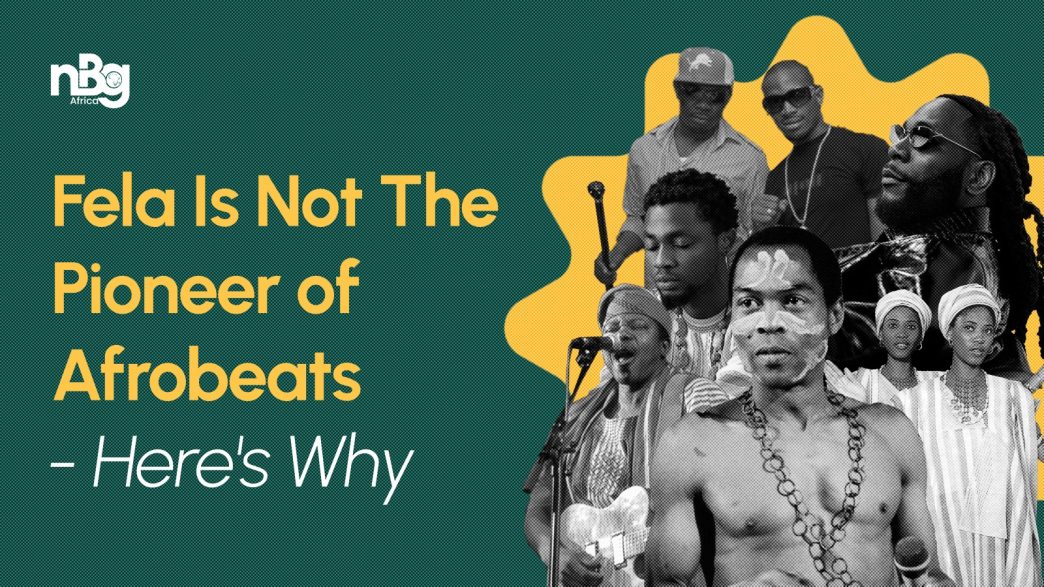
A statement by Omah Lay, claiming that Afrobeats is distinctly Yoruba and based in Lagos because Fela Kuti is its pioneer, has led us down the rabbit hole of actually understanding the history of music in Nigeria.
The Evolution of Afrobeats
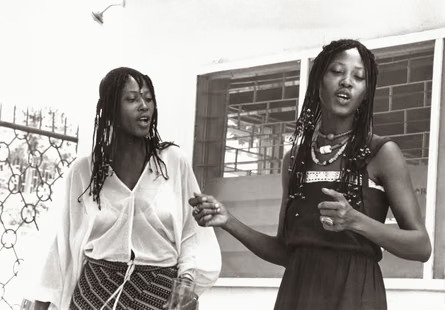
The documentation of the history of Nigerian music is vital; each era was known for its own distinct sound. In the 1960s, Highlife and Fuji sounds from the likes of Victor Uwaifo, The Lijadu Sisters, Victor Olaiya, Osita Osadebe, and many others filled the airwaves.
Nigerian music in the 1970s was described as soulful funk-rock with heavy inspiration from Jimi Hendrix and James Brown, and it was there that Fela Kuti and other bands shone. 
Fela’s fame rose in the late 1960s and reached its peak in the 1970s as part of the band ‘Afrika 70’.
Why Fela Is Not the Pioneer of Afrobeats
The term “Afrobeats” (with an ‘s’) is a lazy term largely popularised around 2011 by UK-based Ghanaian DJ, DJ Abrantee, to refer to all contemporary music from Africa. In a way, that is the pioneer of the term, ‘Afrobeats’.
The fact that the name is derivative of Fela’s “Afrobeat” is misleading, as there is a huge musical difference between the modern African music starting from the early 2000s and the genre Fela invented.
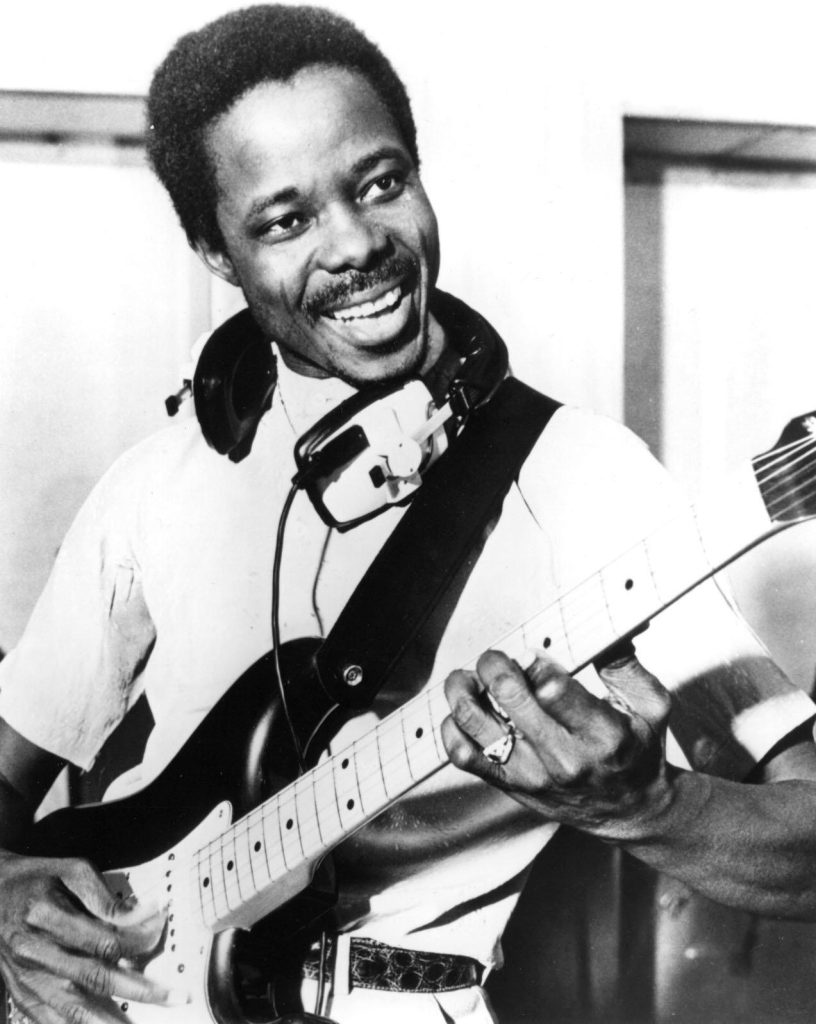
However, while Fela is usually credited with pioneering the genre of Afrobeat, there are many reasons why he isn’t the pioneer of modern Afrobeats. Before Fela, African music had its own niche listeners, and artists like King Sunny Ade were already doing quite well. In 1984, King Sunny Ade became the first Nigerian nominated for a Grammy, but there was something magnetic about Fela that took the entire world by storm: his music, his activism, and the fact that he coined the term “Afrobeat” to describe his sound.
His signature sound melded traditional highlife with jazz, moving away from American pop influences. Kuti’s music featured politically charged lyrics delivered in English, Pidgin, and Yoruba. His music went “viral” before being viral was a thing. His live performance album with ‘Ginger Baker’, the influence of political figures like Malcolm X, and his immersion in the New York art and culture scene made him a truly global artist.
ALSO READ: The Grammys Just Settled the Fela Debate With a Historic Award
How Did Afrobeats Actually Originate?
The evolution of African music started with the traditional Jùjú music of the ’70s and ’80s, which featured large live bands. Today, the modern Afrobeats scene is dominated by digital production and shorter song lengths. Furthermore, the lyrics of the songs are vastly different.
King Sunny Ade (KSA) and Ebenezer Obey followed the “praise-singing” tradition, creating lengthy songs so that people could spray money (similar to what Segun Johnson does today). In contrast, contemporary artists like Rema and Wizkid cater to global audiences with concise, catchy hooks designed for streaming.
Only Sir Shina Peters truly bridged the traditional and contemporary camps, mixing Jùjú and Afrobeat to create a sound that appealed to younger audiences.
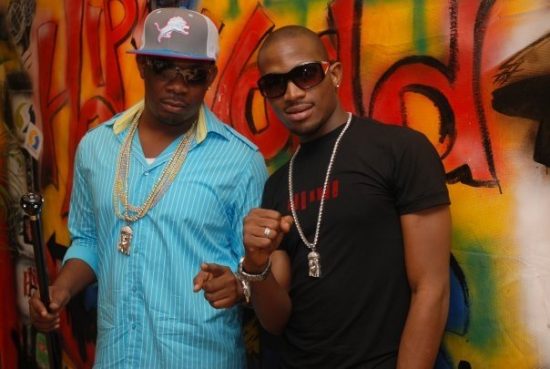
The introduction of the “New Sound” in the 2000s is credited to producers like, ID Cabasa, OJB Jezreel and Don Jazzy, who developed beats that blended modern pop and hip-hop with Nigerian slang and artists like The Remedies (Tony Tertulia, Eddy Remedy, Idris Abdulkareem), 2Face, PSquare and DBanj.
Furthermore, the distinct differences in rhythmic highlight the gap: Fela’s Afrobeat features ‘additive polyrhythms’, while modern Afrobeats is characterised by ‘subtractive syncopation’. Let’s explain what we mean by that.
Fela Kuti’s music is built in layers, or “polyrhythmic”, much like jazz. He used a large band with many instruments playing different patterns at the same time to create a “hypnotic” sound. Modern Afrobeats is more like pop; instead of many layers, it focuses on a steady beat and adds a touch of African flavour using shakers or hand drums.
Many African artists have expressed that the “Afrobeats” title is restrictive. Burna Boy has stated he makes “Afro-fusion”, Tyla identifies with “Afro-pop”, and Tems sings R&B. While Fela began Afro-fusion by mixing African sounds with jazz, funk and rock music, artists like Omah Lay and Wizkid are not singing the same songs. The early 2000s pioneers were more influenced by Michael Jackson, Usher, and 2Pac than by Fela.

About The Author