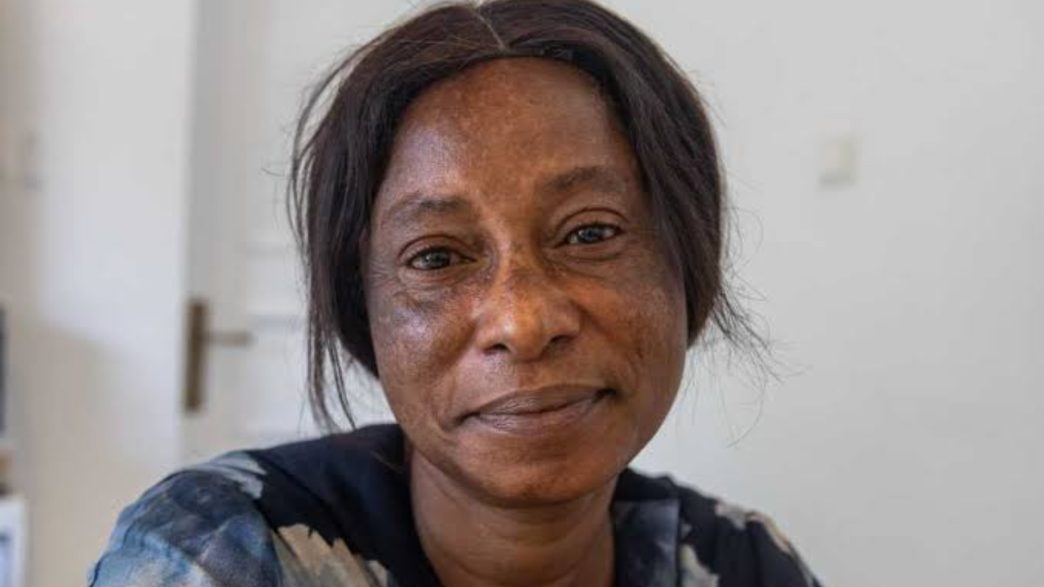
She stood quietly in the cosmetics aisle, scanning rows of creams, serums, and lotions. At first, she looked like any other shopper searching for a skincare product. Then she approached me with a question.
Could I recommend a cream to heal her face?
The burns, she explained, came from a skin-lightening cream she had used in the hope of achieving a fairer complexion. There was pain in her voice. There was also embarrassment. She was no longer searching for a product to make her skin lighter. She simply wanted to repair the damage. 
That brief encounter stayed with me long after I left the store. More importantly, it raised a troubling question: How many people across Africa are paying a heavy price in pursuit of lighter skin?
Africa’s Growing Skin-Lightening Industry
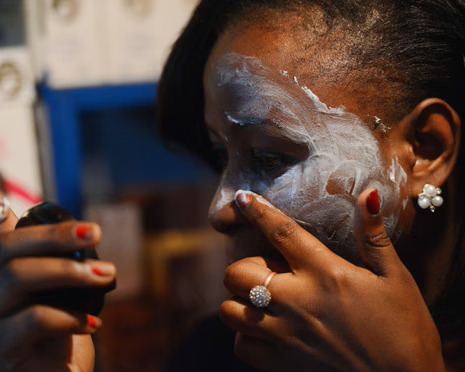
The desire for lighter skin is not new. Across many African countries, skin-lightening products have been marketed for decades, often promising beauty, confidence, and social acceptance. Today, the industry is expanding rapidly, fuelled by aggressive marketing, social media, and changing beauty trends.
These products are sold in beauty shops, pharmacies, open markets, and online. Some are clearly labelled as whitening creams, while others are marketed with softer phrases such as brightening, glow-enhancing, tone correction, or radiance boosting.
For many consumers, the line between healthy skincare and skin bleaching has become increasingly blurred. The global skin-lightening market was valued at US$31.2 billion in 2024, reflecting growing demand for products that promise brighter or fairer skin.
The practice remains especially common across Africa. According to a regional fact sheet published by the World Health Organization’s Africa Health Observatory, skin lightening is widespread across the continent, with prevalence ranging from 25% in Mali to 77% in Nigeria (WHO AHO Files).
Behind every statistic is someone like the woman I met in the cosmetics aisle—someone searching for confidence but instead finding pain.
Why Do People Lighten Their Skin?
It is easy to dismiss skin lightening as vanity, but the reality is often far more complex.
A 2023 review titled Practice and motivations for skin bleaching among Africans found that many users are influenced by colourism, social expectations, and the belief that lighter skin may improve confidence, attractiveness, or social acceptance.
In some communities, fairer skin is still associated with beauty, youthfulness, wealth, and higher social status. Social media has amplified these ideals, with influencers and celebrities promoting flawless complexions that many followers try to emulate.
For some people, the journey begins innocently. A cream purchased to fade acne scars gradually leads to stronger products. A brightening serum becomes a whitening lotion. Before long, what started as skincare becomes an expensive and potentially harmful pursuit.
The Hidden Cost of Skin Lightening
While many people focus on the promise of lighter skin, far fewer consider the health risks that may follow.
Health authorities, including the U.S. Food and Drug Administration (FDA), have repeatedly warned that skin-lightening products containing mercury, hydroquinone, and potent corticosteroids can cause serious health problems when used improperly or over long periods.
Possible side effects include:
- Skin burns
- Severe acne
- Uneven skin tone
- Skin thinning
- Stretch marks
- Increased sensitivity to sunlight
- Delayed wound healing
- Chronic skin infections
Beyond these visible effects lies an even greater concern. According to a World Health Organization (WHO) skin-lightening products, some unregulated skin-lightening products contain mercury, a toxic metal that can accumulate in the body over time. Prolonged exposure has been linked to kidney damage, nervous system disorders, and health risks for unborn babies.
Ironically, many users end up spending even more money trying to reverse the damage caused by the products they hoped would improve their appearance.
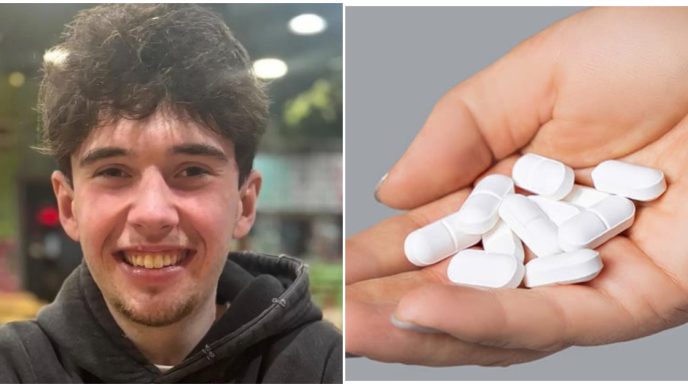
Daniel (name changed for privacy), a young aspiring model, believed that lighter skin would improve his chances in the fashion industry. Influenced by social media and changing beauty standards, he began experimenting with whitening products before discovering that the pursuit of fairer skin came with consequences he had never imagined.
The Financial Burden
The cost of skin lightening extends far beyond the price of a single cream.
Many users buy multiple products at the same time, including soaps, lotions, serums, oils, and exfoliating treatments. When the desired results fail to appear, they often switch to stronger and more expensive products.
If complications develop, the financial burden grows even heavier. Dermatology consultations, prescription medications, and corrective treatments can cost far more than the products themselves.
For families already struggling with rising living costs, the pursuit of lighter skin can become an expensive cycle with no guaranteed reward.
The Emotional Scars
Not every scar is visible.
People who develop burns, severe discolouration, or other skin damage often experience embarrassment, anxiety, and a loss of self-confidence. Some avoid taking photographs, while others withdraw from social gatherings because they no longer feel comfortable in their own skin.
The irony is difficult to ignore. Many people begin using skin-lightening products in the hope of feeling more confident, only to lose the very confidence they were seeking.
Mental health experts have increasingly linked colourism, unrealistic beauty standards, and social pressure to poor self-image. When beauty becomes tied to skin tone, it is easy to believe that changing one’s complexion is the key to acceptance, success, or happiness.
Selling More Than Beauty
The skin-lightening industry is not simply selling creams, lotions, and serums. It is selling hope.
Advertisements promise glowing skin, renewed confidence, and even a better life. Social media filters reinforce unrealistic beauty standards, while carefully edited before-and-after photos create the impression that lighter skin automatically leads to greater attractiveness and success.
For many consumers, those promises are difficult to resist.
Yet some products remain poorly regulated, and many buyers are unaware of the ingredients they contain or the health risks they may pose. As demand continues to grow, regulators, manufacturers, healthcare professionals, and the media all have a responsibility to provide accurate information about skincare and product safety.
Choosing Healthy Skin Over Lighter Skin
None of this suggests that people should stop caring for their skin.
Avoiding common skincare mistakes helps in maintaining healthy skin rather than chasing an unrealistic or potentially harmful beauty ideal. Healthy skincare plays an important role in overall well-being, because treating acne, managing hyperpigmentation, and protecting the skin from sun damage can improve both confidence and quality of life.
Consumers should read ingredient labels carefully, avoid products that make unrealistic claims, and seek advice from qualified dermatologists before using skin-lightening products.
Looking Beyond the Mirror
As I left the cosmetics aisle that day, I kept thinking about the woman who had approached me. She was no longer searching for beauty; she was searching for healing.
Her story is far from unique. Across Africa, countless people continue to spend money, take risks, and battle insecurities in pursuit of lighter skin.
For some, the price is measured in naira. For others, it is measured in damaged skin, lost confidence, and lasting regret.
The pursuit of beauty is deeply personal, and everyone has the right to care for their appearance. But true beauty should never come at the expense of health.
Perhaps the most important lesson is also the simplest: healthy skin will always be more valuable than lighter skin.

About The Author