



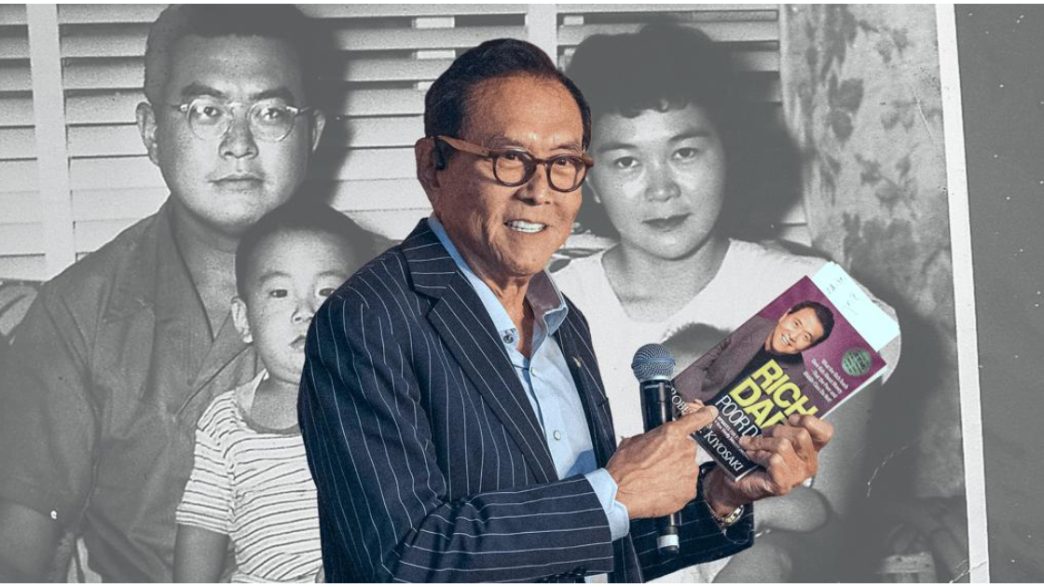
Robert Kiyosaki, the bestselling author of Rich Dad Poor Dad, has openly acknowledged being in a $1.2 billion debt.
He is not worried about it; instead, the 79-year-old personal finance guru presents the figure as proof that his longstanding philosophy works.
In recent interviews, including an appearance on the Get Rich Education podcast, Kiyosaki has repeatedly admitted the debt without hesitation. 
“So, I’m a billion two in debt,” he said casually.
The comment has sparked widespread discussion, especially because it comes from a man whose books have sold tens of millions of copies and teaches people how to build wealth.
SEE ALSO: Costly Mistakes African Entrepreneurs Keep Making: Aliko Dangote
It’s Not All Personal Debt

According to a Vanity Fair profile and comments from his former wife and longtime business partner Kim Kiyosaki, the $1.2 billion figure does not represent money Kiyosaki personally owes.
Instead, it is tied to real estate partnerships that control roughly 1,500 apartment units.
Kim estimated that Robert’s individual share of the debt likely falls somewhere between $30 million and $60 million, based on his reported annual income of around $3 million.
SEE ALSO: Africa’s Richest Billionaire Inks $800 Million China Deal for Landmark Cement Project
Good Debt vs Bad Debt According to Kiyosaki
Kiyosaki has spent decades distinguishing between what he calls “good debt” and “bad debt.”
According to the author, good debt is money borrowed to acquire income-producing assets like real estate. As property values rise, he borrows against the increased equity and uses the proceeds strategically, often with significant tax advantages.
Bad debt, on the other hand, is money used to buy liabilities that do not generate income, such as luxury cars bought on credit. Kiyosaki has said this is why his own high-end vehicles are fully paid.
“If I go bust, the bank goes bust.”
When asked whether the size of the debt makes him nervous, Kiyosaki has been characteristically blunt. He has repeated a version of the same idea: if you owe the bank a relatively small amount and cannot pay, it is your problem. If you owe a massive sum, it becomes the bank’s problem.
This stance reflects his broader belief that the wealthy use leverage differently from the average person.

About The Author