


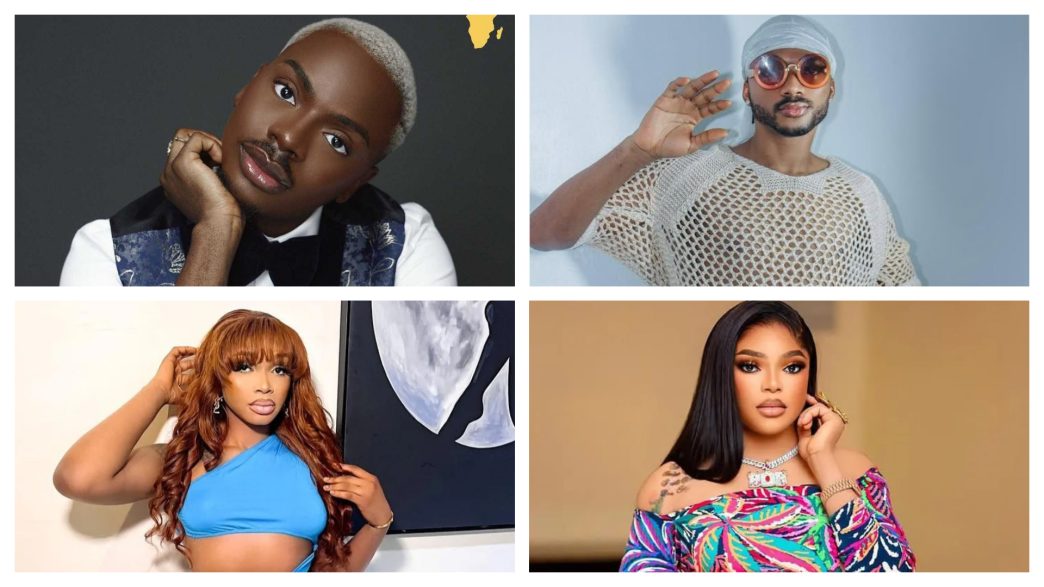
In Nigeria, where Section 214 of the Criminal Code criminalises same-sex relationships and public opinion remains largely conservative, the line between assumption and fact around celebrity sexuality is one Nigerians cross constantly and carelessly. Some of the people on this list have spoken openly about their identities. Others have not, and the assumptions about them say as much about Nigeria’s discomfort with gender nonconformity as they do about the individuals themselves. Here’s what’s really behind the assumptions.
1. Denrele Edun
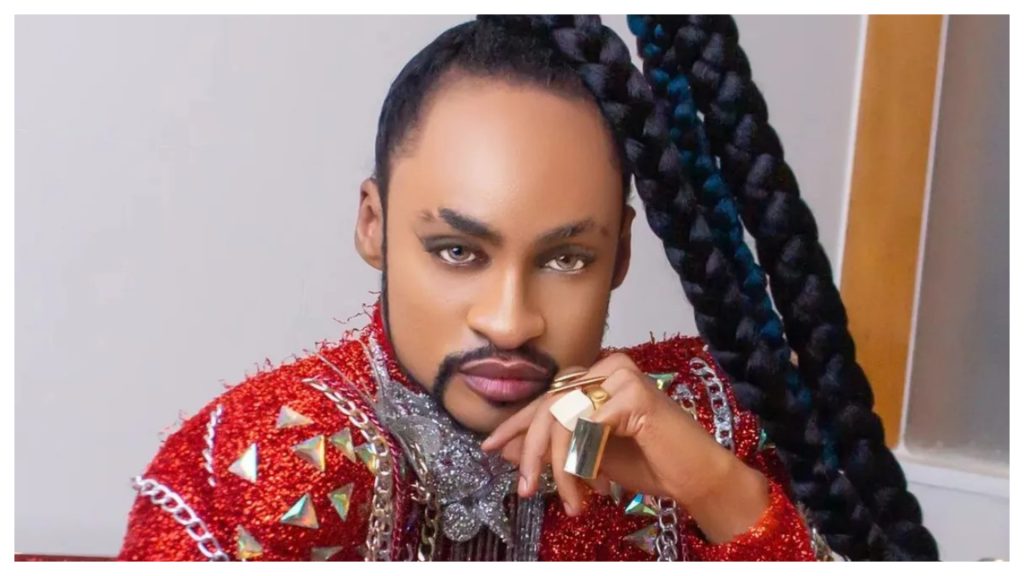
Denrele Edun has been one of Nigerian entertainment’s most recognizable faces for over two decades: the high heels, the gravity-defying hair, the fashion that borrows from every direction and belongs to none. As a television host, he brought a flamboyance to mainstream Nigerian media that was genuinely unprecedented.
The assumptions about his sexuality have followed him for most of his career, rooted almost entirely in his aesthetic choices and the way he carries himself in public. Denrele has consistently declined to address the speculation directly, stating in various interviews that his personal life is his own. What he has never done is tone down the presentation to manage the rumors. He has kept wearing what he wears, being who he is, and letting people draw whatever conclusions they choose. 
2. Bobrisky (Okuneye Idris Olanrewaju)
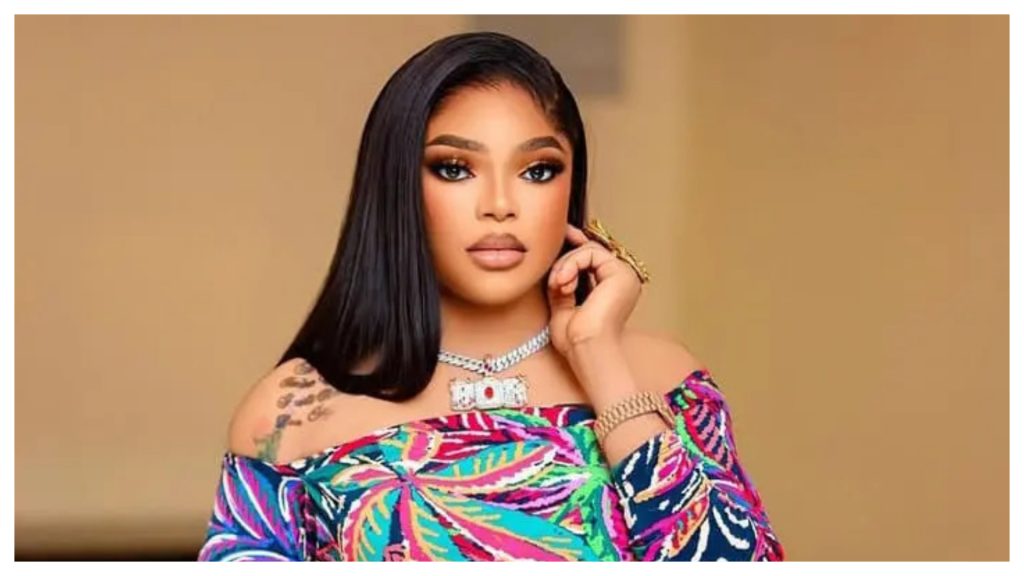
No name generates more conversation in this space than Bobrisky. Nigeria’s most prominent cross-dresser and trans woman has spent years at the center of LGBTQ+ visibility discussions in a country where that visibility comes with significant legal and social risk.
Her physical transformation over the years—the surgeries, the feminization, the deliberate and sustained embrace of womanhood—has made her one of the most debated public figures in the country.
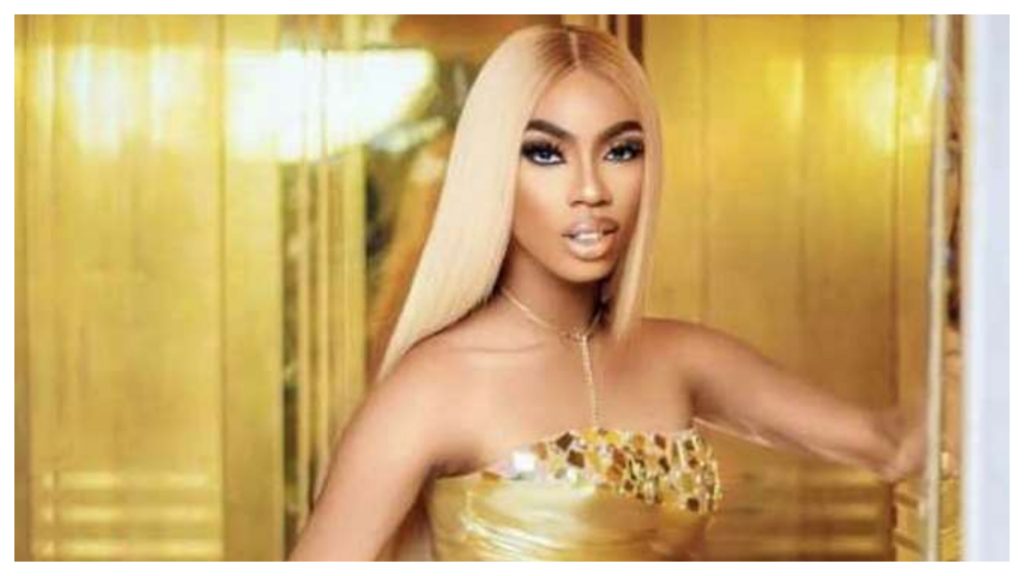
James Brown, another prominent cross-dresser and media personality, occupies similar territory in the public imagination. Both are frequently categorized under the LGBTQ+ umbrella by Nigerian audiences, though the Nigerian public often conflates cross-dressing, transgender identity, and homosexuality as interchangeable, which they are not.
Bobrisky’s public life has often collided with the law. Her 2024 six-month prison sentence for naira abuse brought that tension to the surface again, with many Nigerians asking whether the punishment was about the offense or about her visibility.
SEE ALSO: Was Williams Fubara Killed For Being Gay at Madonna University? Here’s What We Found
3. Enioluwa Adeoluwa
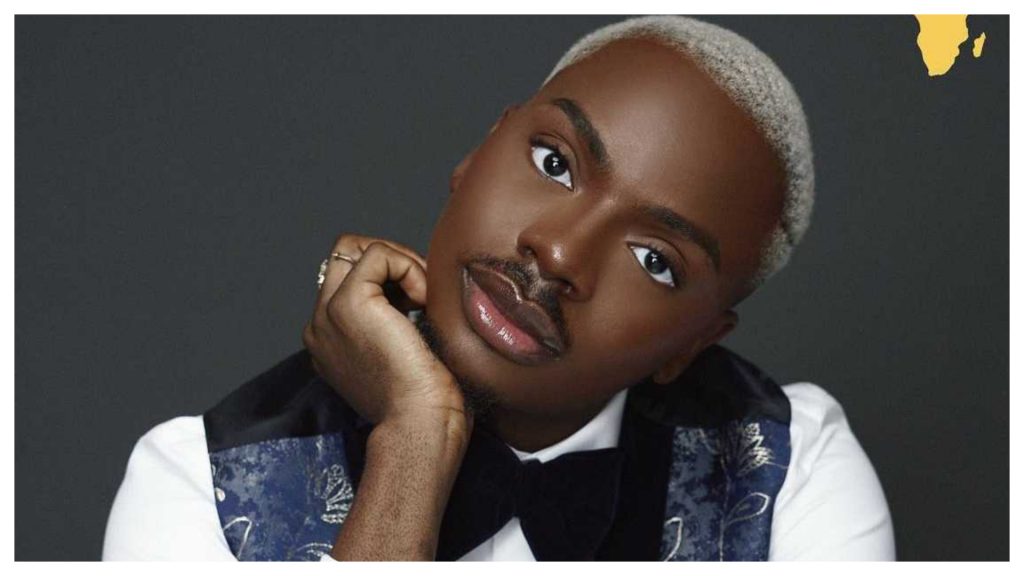
Enioluwa has built one of Nigerian social media’s most engaged followings through his personality, his skincare advocacy, and a fashion sense that does not fit neatly into conventional Nigerian masculinity. He is polished, expressive, and unafraid of aesthetics that his male peers tend to avoid.
The assumptions about his sexuality are largely driven by that presentation: the grooming, the fashion, and the friendships he keeps publicly within the entertainment industry. Enioluwa has not made a formal statement about his sexuality in either direction. What he has done is continue building a career on his own terms, letting the work speak while the speculation continues around it.
4. Uche Maduagwu
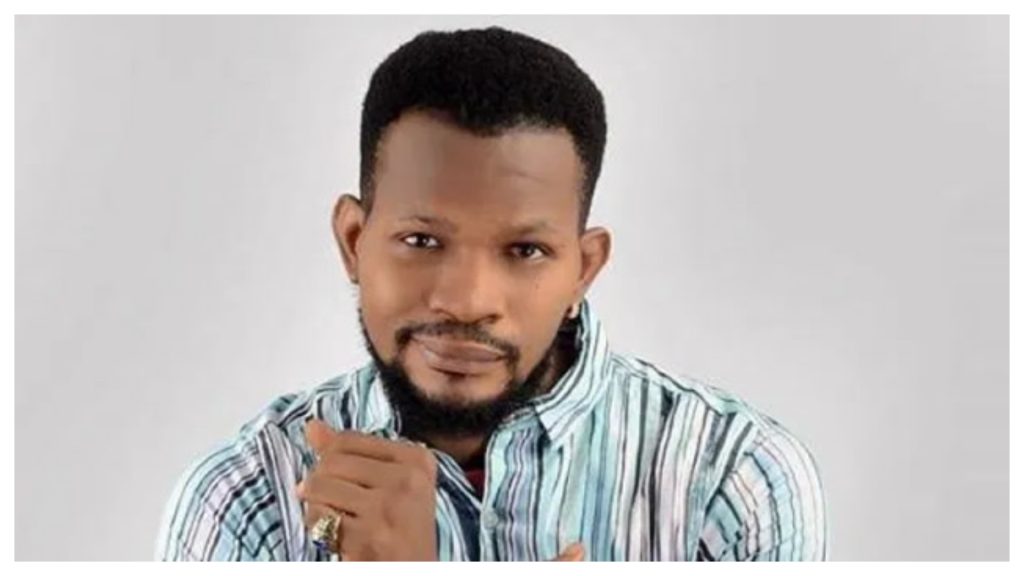
Uche Maduagwu is the most straightforward case on this list in terms of self-disclosure. The Nollywood actor made headlines when he publicly came out as gay on his social media platforms: a significant act in a country where doing so carries genuine legal consequences.
The response was mixed. Some celebrated his courage. Others (including fellow industry figures) dismissed the announcement as a publicity stunt designed to keep his name circulating. What is documented is that he said it, publicly, on his own pages, and has continued to be vocal about queer identity in Nigerian entertainment since. Whether the motivation behind the announcement was personal or strategic is something only he can answer.
SEE ALSO: Oyinda Tinubu & 5 Openly Queer, LGBTQ Children of African Politicians
5. Temmie Ovwasa
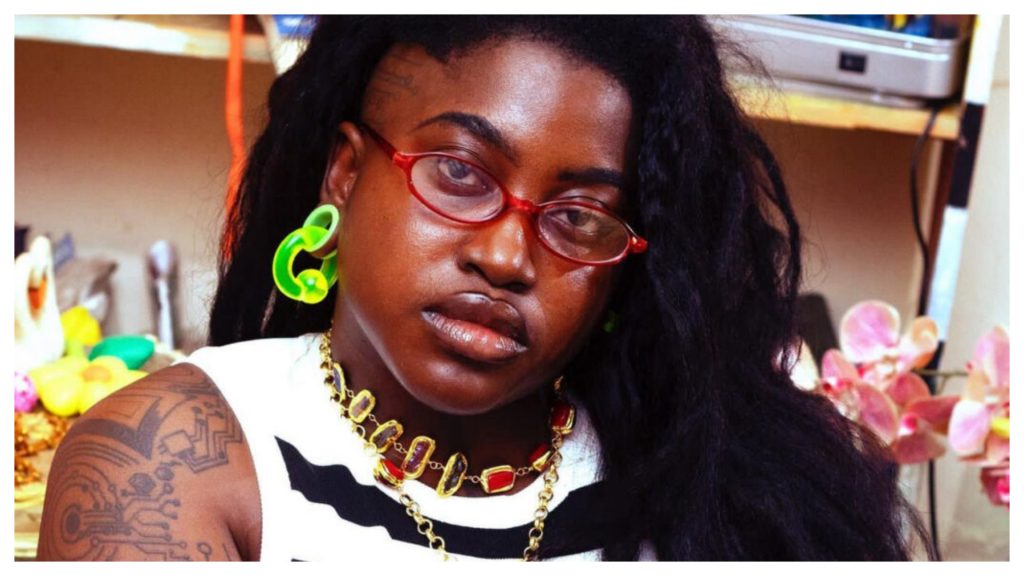
Temmie Ovwasa’s story requires less speculation than any other entry here because she has not left room for any. The former YBNL Princess, who was signed to Olamide’s label before a public and painful split, came out publicly as a non-binary lesbian and has been an active advocate for LGBTQ+ rights in Nigeria ever since.
Her music reflects her identity directly. She released an openly queer album that addressed her sexuality, her experiences, and her refusal to be quiet about either. She has spoken about the personal cost of visibility in Nigeria, about mental health, and about the industry’s treatment of artists who do not fit expected molds.
6. Charly Boy (Charles Oputa)
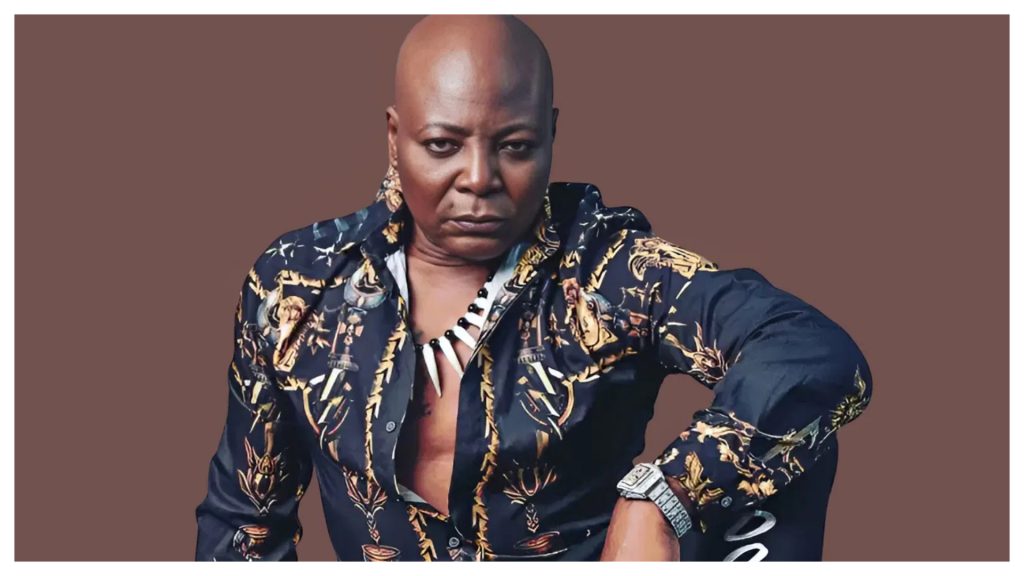
Charly Boy has been defying Nigerian convention since before most of his critics were born. The veteran entertainer and activist has built decades of a career on provocation: the alter-egos, the cross-dressing elements in his performance persona, and the fashion that has never once consulted the rulebook.
The rumors about his own sexuality have circulated for years, amplified by his vocal support for the LGBTQ+ community and his public acceptance of his daughter Dewy, who is openly lesbian. Charly Boy has addressed the speculation directly on multiple occasions, stating clearly that he is not gay. His position, as he has articulated it, is that supporting LGBTQ+ rights and being gay are not the same thing, and that his relationship with his daughter’s identity is rooted in love, not shared sexuality.
7. Tobi the Creator
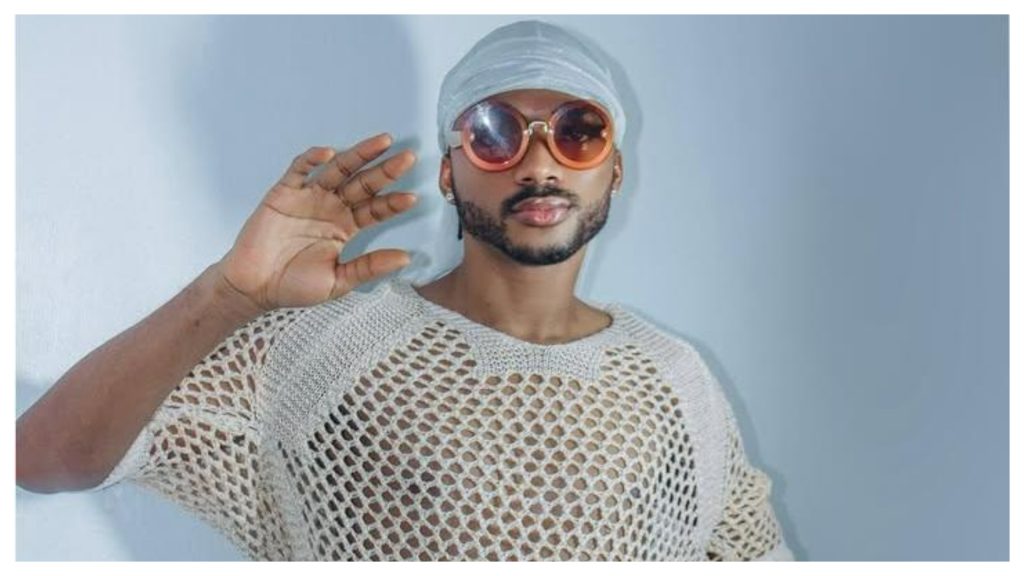
Tobi the Creator occupies the same cultural space as Denrele did a generation earlier: the Nigerian entertainer whose aesthetic deliberately refuses conventional masculinity. The makeup, the wigs, and the women’s clothing worn without explanation or apology. He documents it, posts it, and engages an audience that has grown significantly around that specific energy.
The assumptions follow the presentation. Tobi has not made a formal statement about his sexuality. What he has done is build a platform on exactly the kind of gender nonconformity that Nigerian audiences find both fascinating and unsettling, which is a skill in itself.
SEE ALSO: Being Gay = Death: African Countries With The Toughest Punishments for Homosexuality
8. Jay Boogie (Daniel Anthony Nsikan)
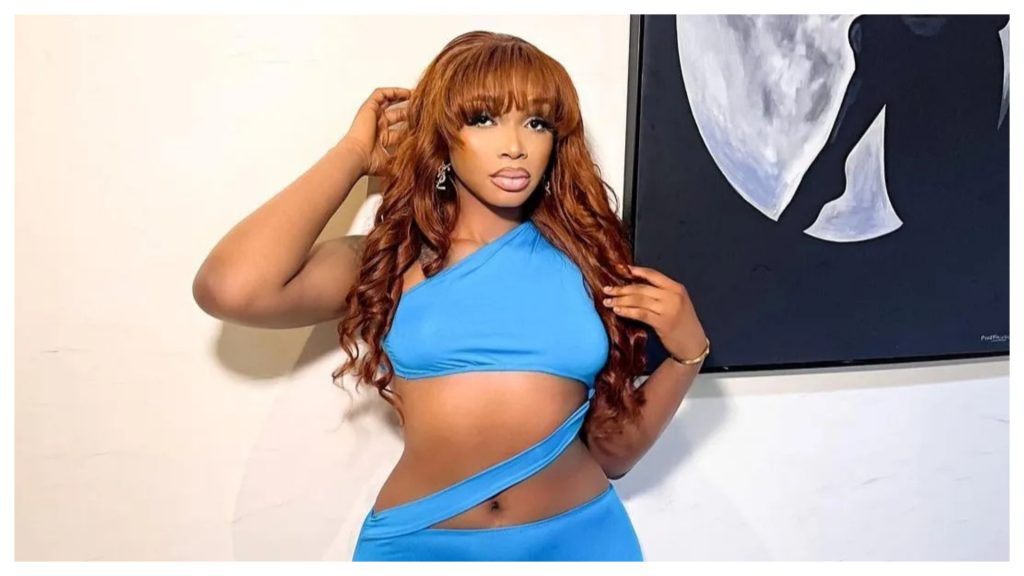
Jay Boogie doesn’t belong in the assumptions category. She has been explicit about her identity and openly identifies as a transgender woman. Her gender identity isn’t a rumor, a reading, or an interpretation; it’s something she has stated herself.
In Nigerian public discourse, transgender identity, cross-dressing, and homosexuality are often grouped together as one thing. Because of that, Jay Boogie ends up in these conversations regardless of what she has actually said. The distinction matters: being transgender is about gender identity, not sexual orientation. Jay Boogie being a trans woman doesn’t specify who she’s attracted to.
What is clear is that she has been more direct about her identity than almost anyone else in Nigerian entertainment. The assumptions around her say more about the audience’s understanding of gender than they say about her.

About The Author