



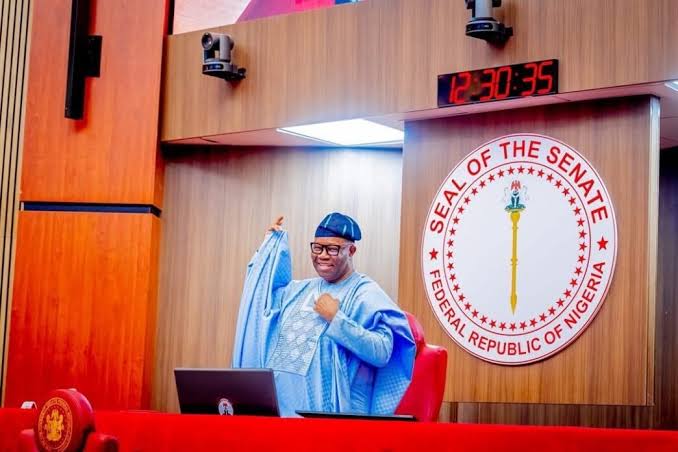
In a bid to decentralise policing in Nigeria, the National Assembly passed the Constitution of the Federal Republic of Nigeria (Alteration) (State Police) Bill, 2026, on June 24. This legislation aims to address the country’s persistent security challenges. Hence, the Senate fast-tracked the bill through all stages in a single day during an emergency sitting. The House of Representatives had earlier passed its version on June 11, 2026.
The State Police Bill 2026 establishes state-level police structures while maintaining a federal framework.
Who Raised and Sponsored Nigeria’s New State Police Bill 2026?
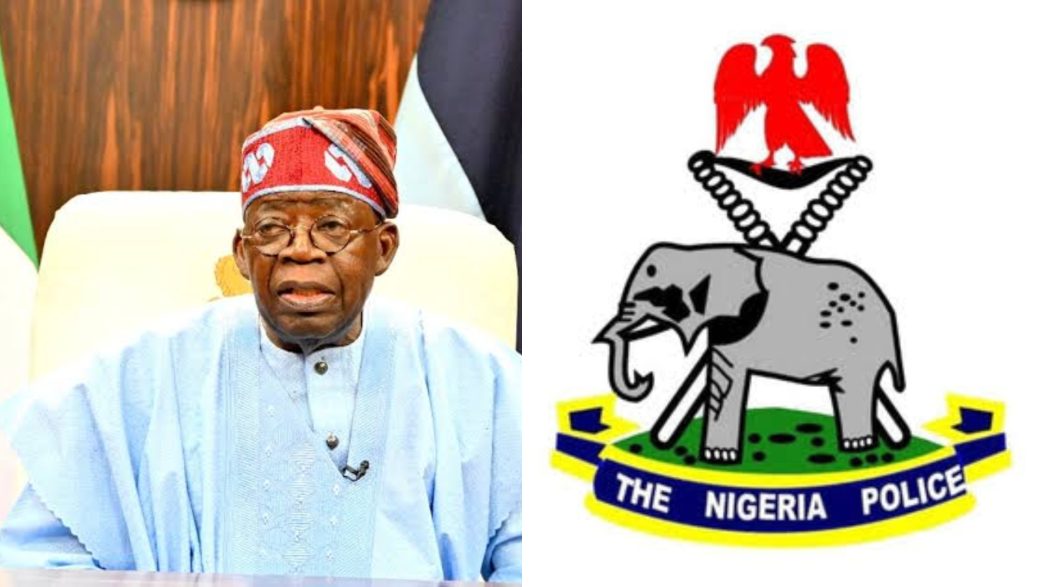
President Bola Ahmed Tinubu transmitted the bill to the National Assembly, describing it as an “epoch-making” reform. It was processed in the Senate through the Committee on the Review of the Constitution. Both chambers of the National Assembly (Senate and House of Representatives) passed the bill, which now requires ratification by at least 24 out of 36 State Houses of Assembly before presidential assent. 
Why Was the Bill Passed?
The bill was driven by Nigeria’s increasing level of insecurity, including banditry, kidnapping, insurgency, and other threats, which the centralised federal police system has struggled to contain. State police can enable faster and locally responsive security, better intelligence, and improved accountability tailored to each state’s unique challenges.
The last major overhaul was the Nigeria Police Act 2020, signed into law by President Muhammadu Buhari on September 16, 2020. That Act focused on internal management, accountability, and human rights, but did not address the constitutional barrier to state policing. The 2026 bill represents a far more structural shift by amending the 1999 Constitution.
SEE ALSO: ‘To Start Akara Business Doesn’t Take A Lot of Money’ — Nigeria’s First Lady Remi Tinubu
Here’s a breakdown of the 10 key things to know about Nigeria’s New State Police Bill:
1. Name Change From “Force” to “Service”
The Nigeria Police Force is renamed the Nigeria Police Service. This shows a shift toward a more service-oriented, community-focused institution.
2. Formal Establishment of State Police
The bill legally establishes State Police for each of the 36 states and the FCT. These will complement, not replace, the Federal Police Service, with the FCT police under the Minister of the FCT.
3. A Strengthened Nigeria Police Council
The Council, now with broader oversight, includes the President (Chairman), all state Governors, and key police leaders. It will advise on national policy and federal-state cooperation.
4. State Police Service Council Under Nigeria’s New State Police Bill 2026
Each state must establish its own Council, chaired by the Governor, to handle state-level policy and management.
5. Dual Funding Framework
Federal Police will be funded from the Federation’s Consolidated Revenue Fund, and the State Police will be funded by their respective states to ensure financial viability.
6. Appointment & Control of Leadership
The Inspector-General of Police will have a single 4-year non-renewable term. The State Commissioners of Police will be appointed by Governors (subject to confirmation), also for a single 4-year term.
SEE ALSO: How AI Helped Nigerian Conjoined Twins See Each Other for the First Time
7. Restructured Police Service Commissions
States will have their own Commissions for appointments, promotions, and discipline, while the federal commission focuses on the national service.
8. Operational Independence & Safeguards
Provisions protect operational autonomy, require written executive directives, and establish Complaints Response Units to prevent abuse.
9. Smooth Transition Provisions
Existing officers will transition to federal or state services within 24 months, with ranks, pensions, and conditions protected through a joint committee.
10. Required Constitutional Amendments
Nigeria’s new state police bill enables policing to move from the Exclusive Legislative List to the Concurrent List, requiring corresponding constitutional changes.

About The Author