


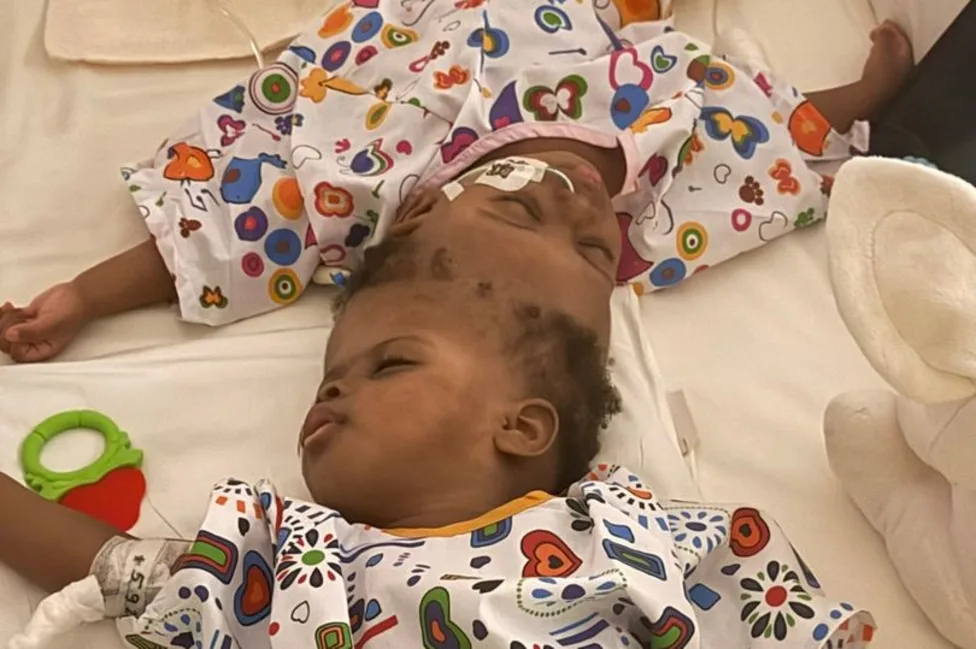
For the first time in their lives, three-year-old Nigerian twins Mercy and Goodness can look at each other face to face. The sisters shared fused skulls, intertwined brain tissue, and connected major blood vessels at birth.
Their rare condition made separation extremely difficult, but a team of doctors used artificial intelligence and virtual reality technology to achieve what once seemed impossible.
According to the UK charity Gemini Untwined, Mercy and Goodness were born with a rare form of cranial conjoining. Because their skulls, brain tissue, and blood vessels were connected, doctors faced an extremely complex challenge. 
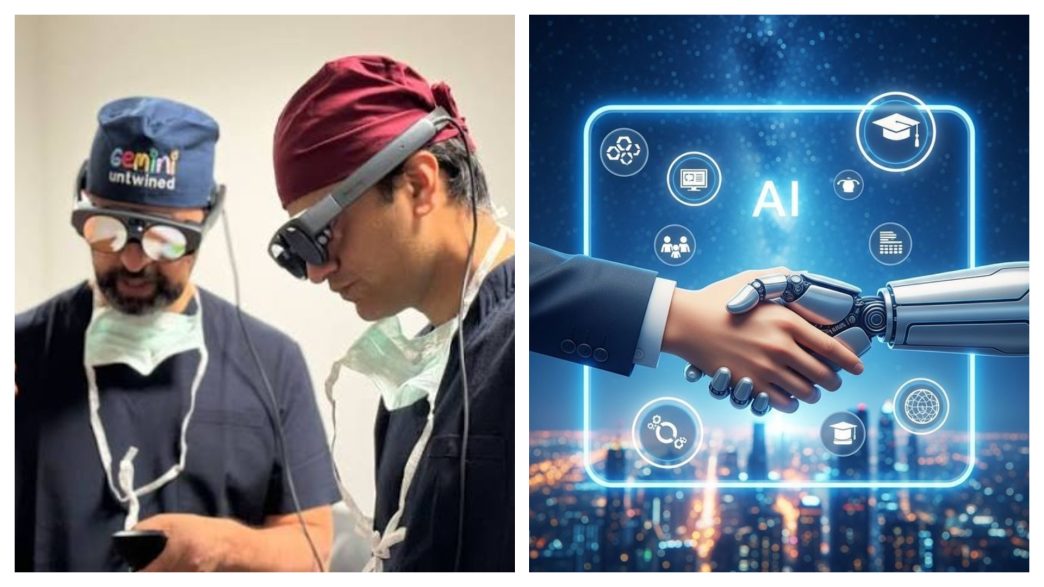
Doctors working with the Gemini group spent months preparing for four operations in early 2025 at Sheikh Khalifa Medical City in Abu Dhabi. The surgeries took place over four months and lasted more than 40 hours in total.
READ ALSO: AI Causing Major Layoffs: 11 Major Companies Who’ve Replaced Humans With AI
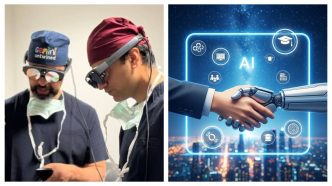
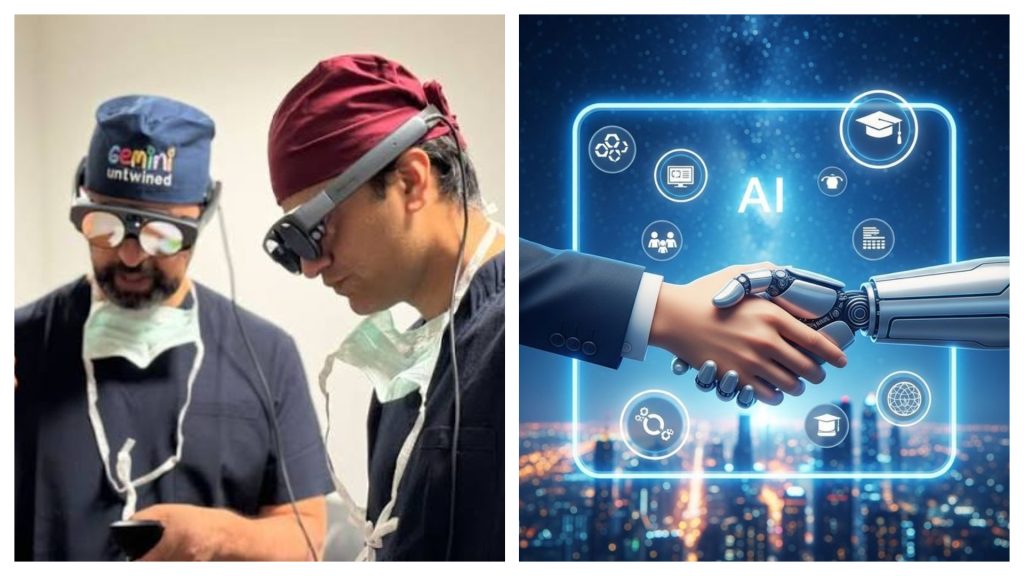
The medical team from PureHealth at SEHA Sheikh Khalifa Medical City in Abu Dhabi used artificial intelligence, mixed-reality technology, and virtual simulations to plan every stage of the procedures.
Doctors used AI to design custom skull implants for the twins. They also used the technology to model how the girls’ skin could gradually expand before the final operation. According to Gemini Untwined, doctors had never used these methods before in the separation of craniopagus twins.
Gemini Untwined said the advanced planning and innovative techniques helped doctors complete the fastest separation of head-conjoined twins among the nine cases the charity has supported.
READ ALSO: Nigeria Set to Launch First AI Data Centres This Year
The surgeries succeeded, and Mercy and Goodness made a full recovery. Their remarkable journey highlights how advances in artificial intelligence and modern medicine are transforming lives, giving hope to families facing some of the world’s rarest and most complex medical conditions.

About The Author