Story written by Oluwatoyin Ololade and edited by Sola Sanusi.
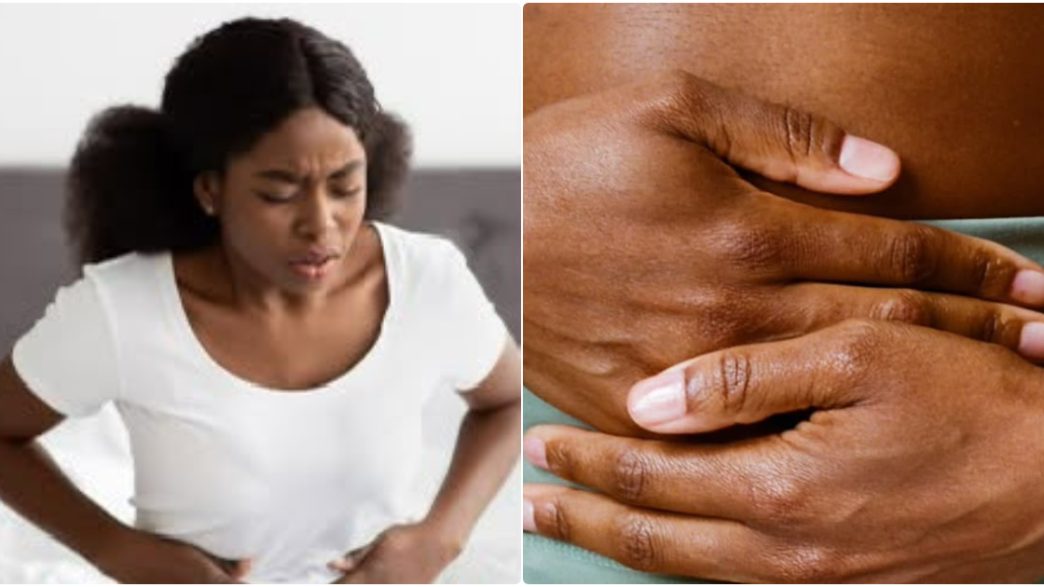
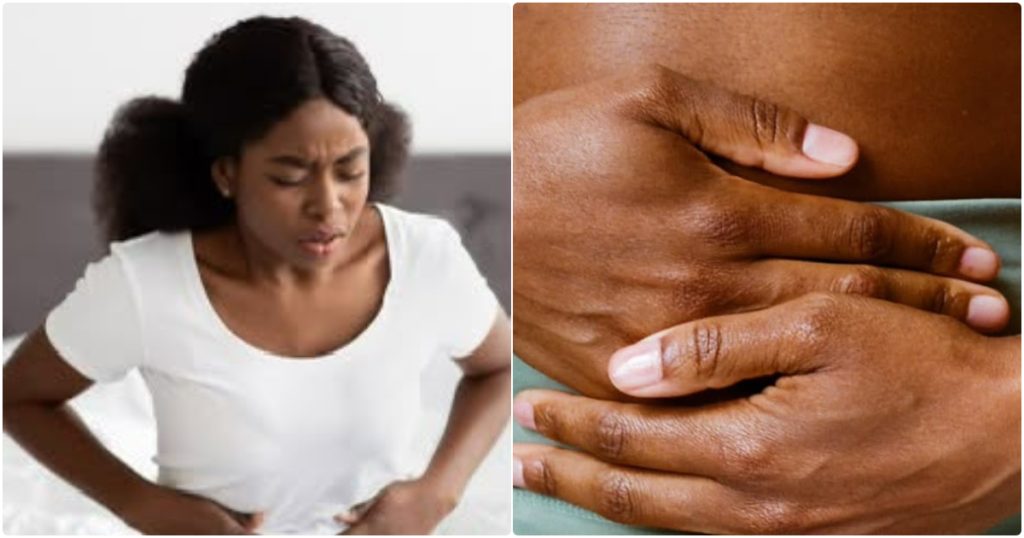
Menstrual cramps are a monthly struggle that many women find difficult to manage. For some, the pain is so severe that it disrupts their daily routines, affects their work and forces them to cancel plans.
The thought of spending the first two days of every menstrual cycle in bed can be exhausting. Others miss important events or opportunities because the pain makes it difficult to leave home. 
In interviews with NBG Africa, five women shared their experiences with menstrual cramps and the everyday habits they believe make their symptoms worse. Their accounts reveal how factors such as diet, stress, sleep and physical activity can affect their experiences differently.
Five Women, One Monthly Struggle
For Amara, the worst pain usually comes on the first and second days of her period.
“It feels like a deep, heavy ache in my lower belly,” she says. The pain also spreads to her lower back and thighs, often coming in waves.
On those days, concentrating at work becomes difficult. Cooking feels exhausting, and even walking around the house takes effort. By the third day, the pain usually eases.
Tosin describes a more severe experience. She says the pain is “beyond endurance” and often requires medical treatment. At its worst, she struggles to stand or eat. Sometimes, she vomits and feels extremely weak.
The pain spreads to her back and legs. She also experiences breast pain, headaches, sharp abdominal pain and swollen legs. Some symptoms begin before her period.
Kemi describes her cramps as a painful, exhausting monthly experience that affects her daily activities. Blessing says the pain can leave her too weak to work, particularly on the first two days.
Ngozi also experiences severe cramps on the first day, describing a deep, squeezing pain in her lower abdomen and back.
“I am always too weak to do any activities,” she says.
Over time, the women have identified habits and circumstances they believe worsen their symptoms. However, their experiences show that not every woman responds to the same triggers.
1. Too Much Sugar
Amara says she often craves chocolate and biscuits during her period. However, eating too many sugary foods, particularly chocolate cake and sweet drinks, seems to intensify her cramps. She also experiences bloating and mood changes.
“A little chocolate is fine, even mood-lifting. But when I overdo it, the pain is more intense,” she says.
Tosin reports a similar experience. After receiving treatment on the first day, she may feel better by the second day. However, she says sugary foods and drinks can bring the pain back more intensely. She now avoids sweet snacks and drinks during her period. Ngozi also avoids sugar because she believes it worsens her cramps.
Blessing limits sugary and oily foods, although the results have been modest. Some months, avoiding sugar makes little difference.
Kemi, however, has never noticed a link between sugar and her cramps. Individual experiences vary, and these accounts do not establish that sugar directly worsens menstrual pain.
READ ALSO: Mercy Johnson’s ₦25k ‘Girls Tag’ Menstrual Pad: Tone-Deaf, or a Product of Class?
2. Caffeine, Cold Drinks and Oily or Spicy Foods
Amara avoids very cold drinks, excessive caffeine and oily or spicy meals before and during her period.
She says drinking too much Coke or coffee makes her cramps feel sharper. She also experiences jitteriness and bloating, while fried foods leave her feeling heavy and uncomfortable.
Blessing also avoids oily foods. Kemi takes a different approach, saying her appetite increases during her period.
“Hunger will beat me,” she jokes, explaining why she does not intend to restrict her food intake simply because she has cramps.
3. Sitting Too Long or Staying in Bed All Day
Rest may seem like the obvious response to period pain, but the women have different experiences with movement.
Amara says lying down all day makes her more conscious of the pain. Short walks and light stretches, however, help her feel better.
Sitting at her desk for too long worsens her backache and makes her cramps feel tighter. She avoids strenuous exercise during the first two days because it leaves her exhausted.
Ngozi also finds that walking reduces her discomfort, while sitting in one position for hours offers little relief.
Kemi prefers resting because she feels less pain that way. Blessing has also noticed a difference between movement and rest, although she did not specify which helps more.
For Tosin, neither movement nor rest provides much relief when the pain peaks. She says she can eat and move around only after medication reduces the discomfort.
Gentle movement may help some women, but nobody should force themselves to exercise through severe pain.
4. Poor Sleep and Inadequate Rest
Amara says sleep makes a significant difference to her menstrual pain.
After a poor night’s sleep, she experiences worse cramps and greater irritability. Getting seven or eight hours of sleep helps her manage the pain and reduces feelings of weakness and dizziness.
“Poor sleep just makes everything feel 10 times more painful,” she says.
Blessing also identifies adequate rest as one of the most important ways she manages her symptoms.
Tosin’s experience is different. She sleeps well before her period but struggles to rest once the pain begins. She usually falls asleep only after the cramps ease. Kemi and Ngozi say sleep does not noticeably affect their menstrual pain.
5. Not Drinking Enough Water
Amara says she experiences more bloating and abdominal discomfort when she does not drink enough water.
Blessing also identifies dehydration as a factor that makes her period more uncomfortable. She has made warm water part of her routine to help manage the pain.
Although staying hydrated supports general health, drinking water alone may not relieve severe menstrual cramps.
SEE ALSO: How Many African Countries Offer Menstrual Leave? The Answer Will Surprise You
6. Skipping Meals
Skipping meals can leave some of the women feeling worse during their periods.
Amara says missing a meal makes her feel lightheaded and appears to intensify her cramps. Kemi and Blessing also report greater discomfort when they skip meals. To manage this, Amara eats smaller meals more regularly. She also includes more fruit and vegetables rather than relying on heavy, sugary foods.
Eating regularly may help prevent hunger and lightheadedness, although it does not guarantee relief from menstrual pain.
7. Stress
Stress emerged as one of the most common concerns among the women.
Tosin describes it as “the biggest thing” that makes her period more uncomfortable. Amara says stress and anxiety intensify her cramps and sometimes affect the timing of her period.
Kemi and Blessing also identify stress as a trigger. Kemi says she adjusts her daily routine to manage stress, even though she has not changed her eating or drinking habits.
Stress can affect how people experience pain, but persistent or severe menstrual cramps should not automatically be attributed to stress.
What Has Helped the Women Manage the Pain?
Amara has adjusted her routine by drinking warm water and ginger tea, eating lighter meals, taking short walks and using a hot-water bottle.
She says the pain becomes more intense when she returns to habits such as consuming too much sugar or getting too little sleep.
Blessing relies on warm water, pain relief and adequate rest. Tosin has also tried cutting out sugary foods and drinks, although she says the improvement has been limited.
Tosin believes genetics contributes to her pain. However, severe menstrual cramps can have several causes, including conditions such as endometriosis or fibroids. A medical assessment can help identify the cause.
While these women have found different ways to cope, their experiences are not a substitute for medical advice. Anyone whose cramps regularly disrupt work, sleep or daily activities should consult a healthcare professional. Sudden, worsening or unusually severe pain also warrants prompt medical attention.

About The Author