





The Lagos State Government has announced the apprehension of 396 beggars by operatives of the Lagos State Environmental Sanitation Corps (LAGESC), popularly known as KAI.
The apprehension was done in a continued push to maintain order and cleanliness in Nigeria’s commercial capital.
SEE ALSO: Millennials and Gen X Account for 94.5% of all Borrowers in Nigeria – Report 
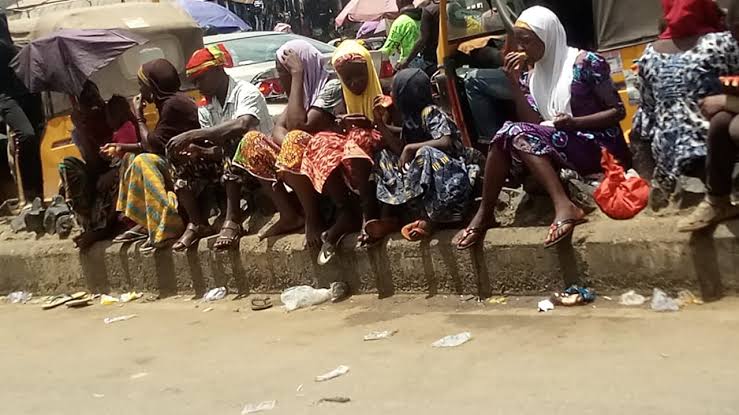
The Commissioner for Environment and Water Resources, the Hon. Tokunbo Wahab, explained in a detailed post on X that the operation is to underscore the state’s #ZeroToleranceLagos approach to urban sanitation and public safety.
According to Wahab, the people, including women, children and people with disabilities, were recently rounded up as part of sustained efforts to sanitise the state and curb illegal activities on the streets of Lagos.
The beggars apprehended will undergo profiling and receive appropriate assistance where necessary. They will be handed over to the relevant authorities for safe repatriation to their states of origin.
In the past weeks, there have been multiple similar operations, with hundreds of beggars and related nuisances addressed across different areas in the state like Oshodi, Agege, Mushin, CMS and Ikorodu.
According to Wahab, street begging is often not solely about poverty but can involve organised elements. Children picked up during operations are typically referred to social welfare services for care and rehabilitation. The adults, on the other hand, face processes aligned with existing laws.
SEE ALSO: The Lagosians Paying the Price for the City’s Flooding Crisis
A Long-Standing Challenge
Street begging has been a persistent problem in Lagos for years. Successive administrations have tried to tackle it with varying intensity too.
Legal prohibitions exist under Lagos environmental and public order laws, with penalties that include fines and potential imprisonment. However, the challenges remain that many people return due to the economic opportunities in Lagos, its porous entry points and limited rehabilitation support elsewhere.

About The Author