


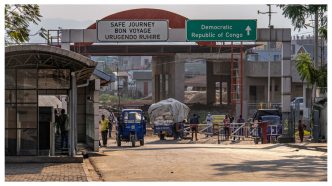
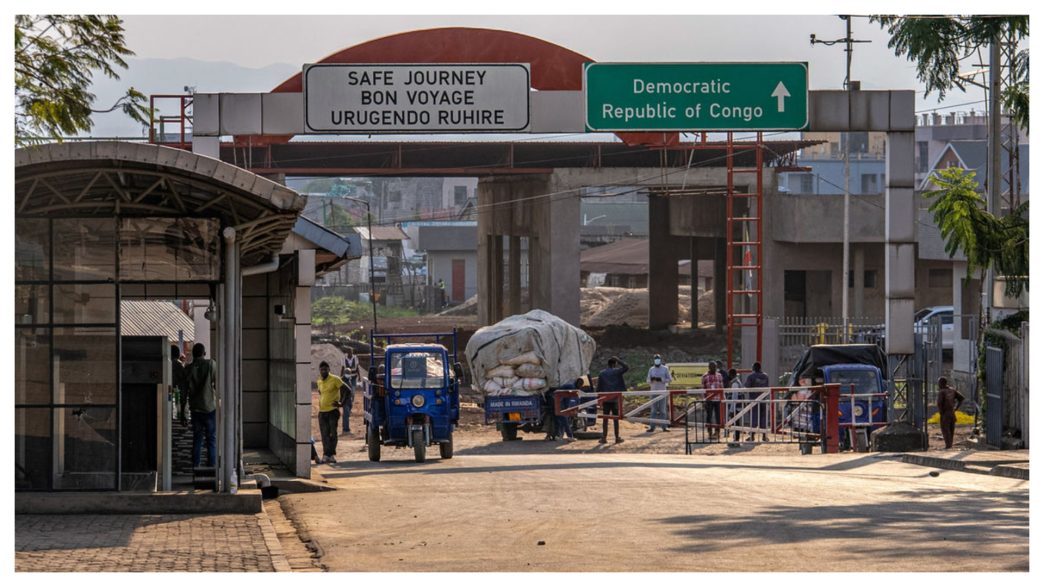
After weeks of restrictions aimed at slowing the spread of Ebola, authorities in the Democratic Republic of the Congo (DRC) and neighbouring Rwanda have reopened one of East Africa’s busiest border crossings.
The decision has raised questions about why the border has reopened while the Ebola outbreak still persists.
The outbreak involves the Bundibugyo strain of the Ebola virus, a rare variant for which there is currently no approved vaccine or specific treatment. The World Health Organization (WHO) says the outbreak is unfolding in a particularly difficult environment marked by insecurity, population displacement, and high levels of cross-border movement. 
The restrictions were introduced in May after an outbreak of the rare Bundibugyo strain of Ebola spread through eastern DRC. Rwanda tightened border controls and limited cross-border movement as officials sought to prevent the virus from crossing into the country.
The measures, however, came at a significant economic cost. The Goma-Rubavu border is one of the busiest trade corridors in East Africa, with thousands of traders, transporters, and commuters crossing daily. Many residents on both sides rely on the crossing for their livelihoods, and weeks of restrictions disrupted trade, reduced incomes, and affected local businesses.
Authorities have now eased the restrictions, allowing trade and cross-border movement to resume.
The reopening does not mean health officials believe the outbreak is over. Instead, both governments have retained strict public health measures at the border. Travellers must still undergo enhanced health screening, while surveillance teams, preparedness training, and rapid response measures remain in place to detect and isolate any suspected Ebola cases.
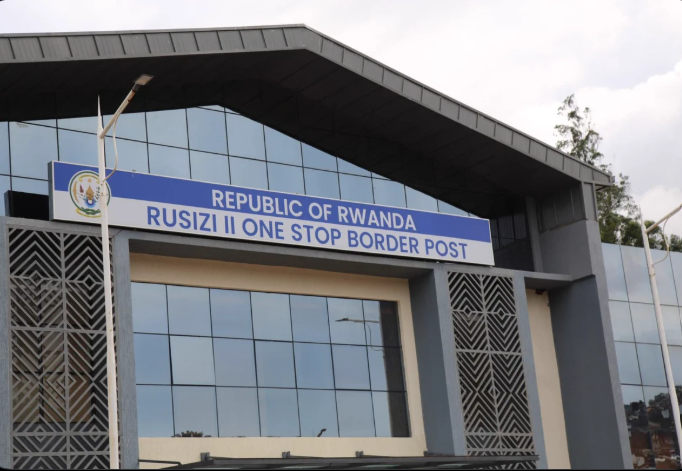
Why DR Congo and Rwanda Reopened Their Border
Health experts have also cautioned against relying solely on border closures to stop the spread of infectious diseases.
The WHO has consistently advised that blanket border closures can sometimes push people towards unofficial crossing points, making it harder for authorities to monitor travellers, trace contacts, and contain outbreaks effectively.
For communities along the Rwanda-DRC border, the partial reopening offers much-needed economic relief. Cross-border trade in agricultural produce, household goods, and other consumer products supports thousands of families, many of whom had seen their incomes fall sharply during the restrictions. Traders have welcomed the decision, describing it as an important step towards restoring business while maintaining health precautions.
ALSO READ: US Plan for Ebola Quarantine Facility in Kenya Raises Eyebrows

About The Author