



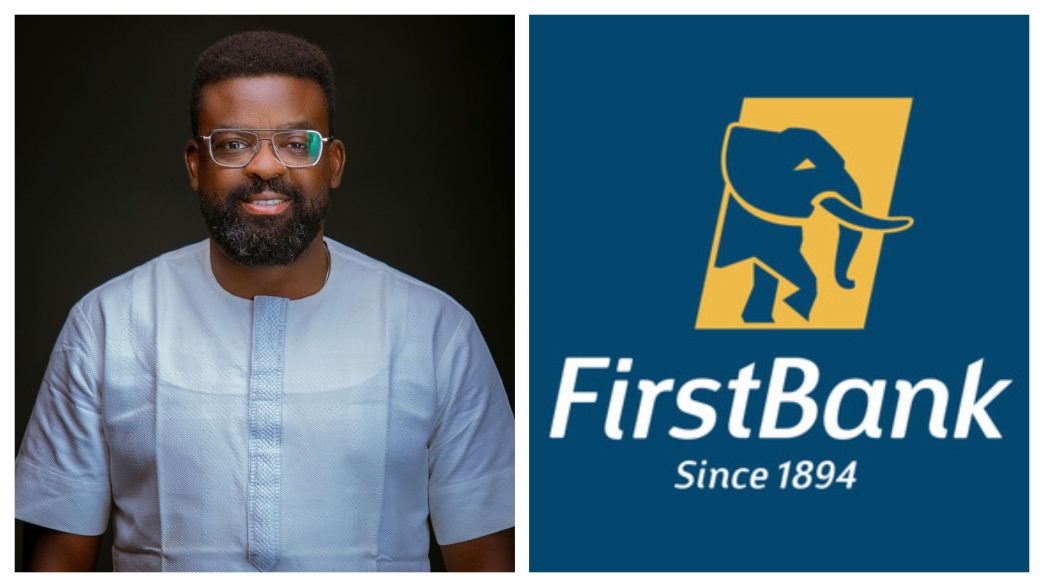
Filmmaker Kunle Afolayan has denied reports that First Bank of Nigeria has sued him over an alleged unpaid loan of ₦5 billion said to have been obtained to finance his 2022 film Anikulapo.
Online reports suggest Afolayan borrowed the ₦5 billion under a three-year repayment plan specifically to produce Anikulapo. The film has gone on to become one of the most discussed Nigerian productions in recent memory, getting critical praise and securing a Netflix deal that will see it reach a global audience.
The reports further alleged that Afolayan only repaid half of the loan following the Netflix agreement, and that First Bank has reportedly been unable to contact him to settle the remaining balance. It was also claimed that a court summons has reportedly been issued, with a close associate saying days ago that Afolayan would appear in court soon. 
As of the time of this report, no official court documents have been made public, and First Bank is yet to issue a statement on the matter. However, Afolayan has dismissed the reports. In a brief comment to TheCable Lifestyle on Friday, he called the story “fake news” and did not provide further details.
What makes this development particularly striking is the history between Afolayan and First Bank that was not always confrontational.

The bank previously sponsored his 2020 film Citation, a drama set in a West African university addressing sexual harassment in academia. The collaboration was close enough that First Bank’s then-chairman, Dr Ibukun Awosika, made a cameo appearance as a university faculty dean.
This kind of institutional support is a sign of First Bank’s confidence in Afolayan as a creative and commercial talent. The alleged ₦5 billion loan for Anikulapo appears to be a natural progression from that existing relationship, with the bank betting on a director it had previously backed successfully.
SEE ALSO: Funke Akindele vs. Kunle Afolayan: Should Filmmakers Dance to Sell Movies?
What This Means for Nollywood
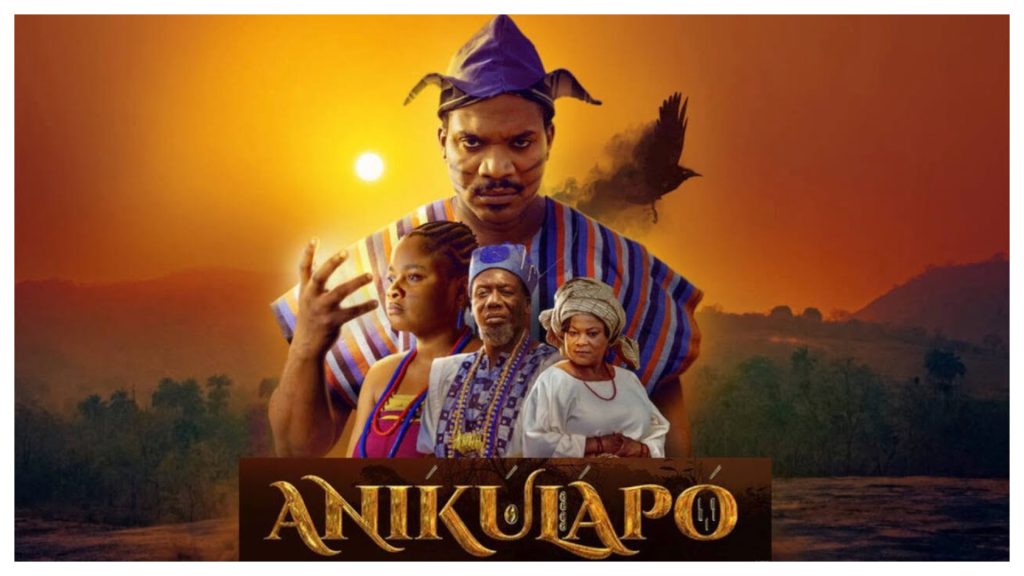
Released in September 2022, Anikulapo is a Yoruba-language epic fantasy drama set in ancient Nigeria. It narrates the story of Saro, a cloth weaver, who is presented with a mystical calabash by a deity, the power to restore the dead to life. Critics lauded the film’s design, storytelling ambition and cultural richness, and it sparked much discussion on African historical fantasy as a genre.
The Netflix acquisition gave the company international reach and cemented Afolayan’s reputation as one of Nollywood’s most ambitious storytellers. Whether the commercial success of the film produced enough financial return to meet the loan repayment is a matter for the courts.
SEE ALSO: Nigerian Director Kunle Afolayan Returns to Netflix with ‘Aníkúlápó: The Ghoul Awakens’
If confirmed, the case raises bigger questions about film financing in Nigeria. Big institutional loans are rare in Nollywood, and a legal tussle over a ₦5 billion deal could affect how banks handle similar deals in the future.
For an industry seeking to lure bigger investment, a non-repayment case in the spotlight can sit in boardrooms long after the details are settled.
Kunle Afolayan has built a highly respected filmography over two decades, including titles like The Figurine, The CEO, October 1, Swallow, Citation, and Anikulapo. For now, the claims remain unverified allegations denied by Afolayan. The full story will only become clear once official documents are released or First Bank responds.

About The Author