


The clash between veteran filmmaker Kunle Afolayan and one of Nollywood’s most successful actresses and producers, Funke Akindele, has sparked a discussion about how films are marketed in Nigeria’s movie industry.
While sharing his perspective on the demanding nature of modern film promotion, Afolayan noted that in the past, filmmakers would connect directly with audiences to generate interest, unlike today’s approach, which relies heavily on daily dance videos, skits, and social media challenges.
He added that this can be hugely exhausting for filmmakers, and the grind of content creation takes energy away from the creative work of making films. 
In his words:
“I would make a film if you can guarantee I won’t have to dance to sell it. ”
He stressed that he simply prefers other ways of engaging audiences.
Funke Akindele’s Reaction and Afolayan’s Response
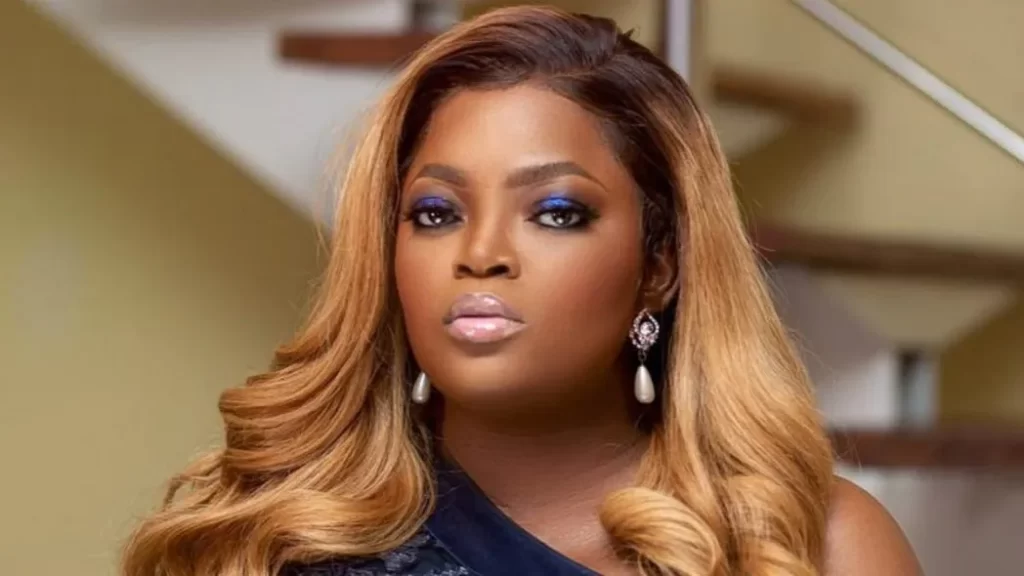
Soon after, media outlets and social posts started suggesting his remarks were a criticism of Funke Akindele, whose promotional approach, especially her energetic dance and skit campaigns for her films, has become something of a template in Nollywood.
RELATED: The Funke Akindele Strategy: How ‘Behind The Scenes’ Smashed 6 Records and Hit ₦1.1B in 17 days
Akindele wasted no time; she called him, accused him of disliking her, and demanded he stop mentioning her name in interviews.
In an interview on ARISE News on Sunday, February 1 2026, Afolayan described the accusation as surprising.
He said his comments were taken out of context, insisting he never criticised Akindele or any filmmaker who adopts aggressive promotional tactics.
“I never said anything was wrong with it. For me, it’s draining. I have absolutely nothing against it. I’m just saying what I will not do,” he stated.
Akindele, on her Instagram page, went on to encourage filmmakers to create their own paths if certain strategies don’t work for them and insisted that there is room in Nollywood for every creative approach.
While some saw her reaction as intense, others interpreted it as a spirited defence of her work and approach. In fact, Akindele even posted a dance video promoting her movie shortly after Afolayan’s comments.
Nollywood’s Marketing Evolution
In the past, promotion often relied on traditional media, which featured trailers on television, billboards, and press interviews.
Today, the landscape has changed dramatically, driven by social media platforms like Instagram, TikTok, and Twitter, where viral content can make a film a household name even before its release.
For some filmmakers, especially those who grew up with older forms of publicity, the pace and style of digital marketing can feel relentless.
Shaffy Bello, in a recent interview, also said she wouldn’t dance for any movie.
“I will not dance to entertain you. That’s not who I am. I know my craft, and I’ve delivered. It’s on the producers to make the rest happen.”
It appears that Afolayan and others who share his view want a model that allows strong storytelling without the pressure of constant public-facing performances or social media promotion.
DID YOU MISS: Nigerian Director Kunle Afolayan Returns to Netflix with ‘Aníkúlápó: The Ghoul Awakens’
Yet, for others like Akindele and her fans, these strategies have proven their worth. They have helped films reach broader audiences and translate that online buzz into impressive box office earnings.
Indeed, other Nollywood filmmakers and industry commentators have noted that social media marketing has become a core part of contemporary film promotion, not just in Nigeria but around the world.
It engages directly with fans and creates viral challenges, which are essential tools for success, especially with younger audiences who are less likely to pay attention to traditional advertising.
Ultimately, the Afolayan–Akindele episode is less about personal animosity and more about how Nollywood is navigating its own growth.
Rather than seeing it as a clash, we might view it as a reflection of Nollywood’s diversity, where different paths to success now coexist.
And as the industry continues to evolve, so too will the conversations about how best to tell stories and reach audiences.

About The Author