





There has been a fashion tribal war between the Yorubas and Igbos on X (formerly Twitter). Arguments have persisted regarding the Gele and Ichafu, both of which are headgears worn by the different tribes, respectively.
The Spark: A Newspaper Headpiece
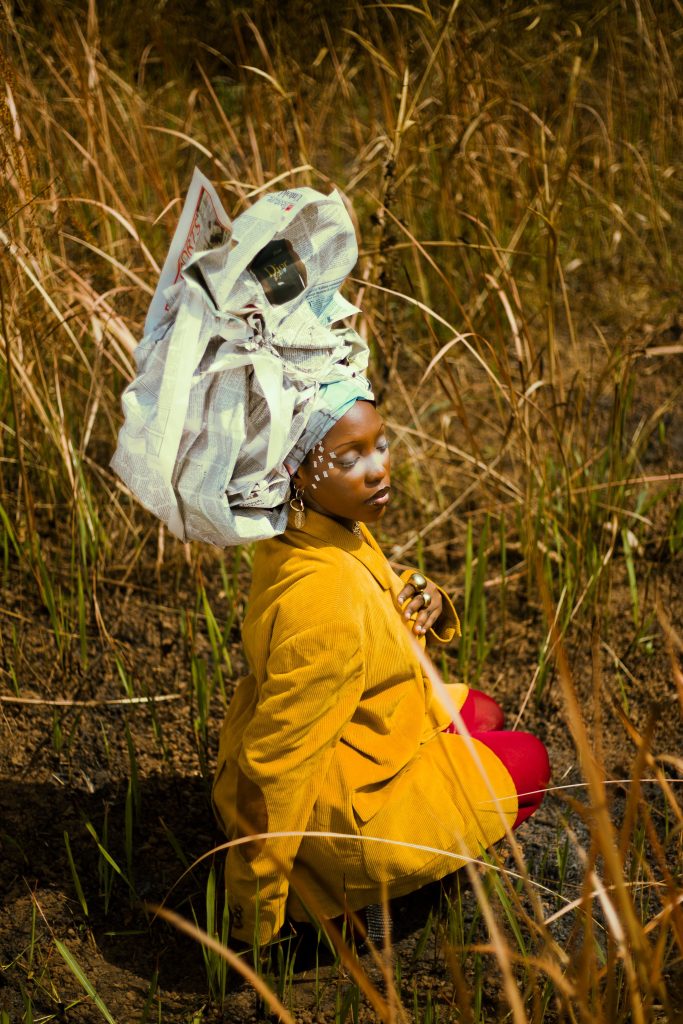
Oladoyin, a Nigerian fashion and lifestyle content creator and stylist, posted pictures of a woman wearing a newspaper headgear she had styled. She captioned it, “This is Gele.” An X user did not hesitate to comment, “This is Ichafu.” The Yoruba culture custodians on X did not let that slide.
Nigerian X soon became heated with arguments over whether it is called Gele or Ichafu, who started wearing it first, and if there is a particular form in which the Gele is supposed to be structured. However, at the top of the list of arguments is: who started wearing it first? Who “stole” from whom? 
SEE ALSO: Archive Core or Alté—What’s The Difference?
The Core of the Debate: Gele vs. Ichafu

While both Gele and Ichafu are headgears, Gele is native to the Yoruba people of Nigeria, and Ichafu is native to the Igbo people.
Some argue that the Yorubas adopted the Ichafu and renamed it “Gele,” similar to the debate surrounding Egwusi (the melon seed soup), which is central to both cultures.
Conversely, others argue that Gele is deeply rooted in Yoruba culture and that the term “Ichafu” was derived from a French mispronunciation of “chiffon.” This suggests that the material and origin of the Ichafu were historically different from those of the Gele.
Historical Evidence and Pre-Colonial Roots
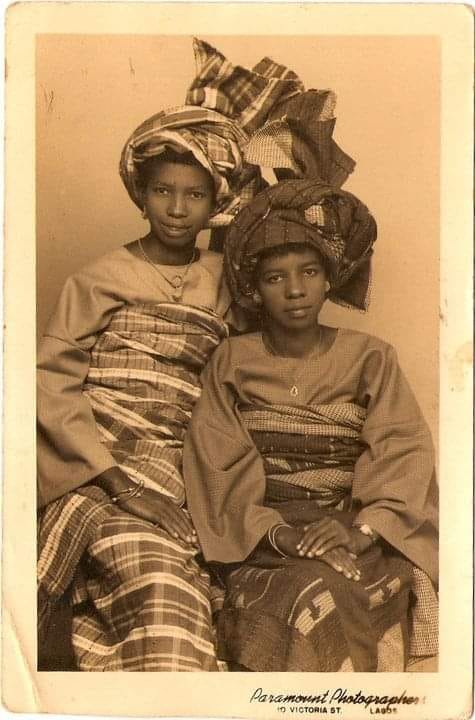
According to African Arts (2020), historical records and 19th-century photography—such as those of Madam Efunroye Tinubu in the 1880s—show Yoruba women wearing the Ipele (shawl) and early versions of the Gele.
Although the origin of headgears in Yorubaland can be traced to women using stiff Aso-oke (hand-woven Yoruba fabric) to wrap their heads, World Bride Magazine records that these days other lighter fabrics from Switzerland, China and Austria are frequently used.
The word “Gele” is currently the most widely used term in Nigeria. It has been featured in numerous songs and movies. The Yorubas have infused the Gele into almost every social function, and there are now more professional “Gele artists” than “Ichafu artists,” even in the Southeast where the Igbos are predominant.
The Evolution of the Ichafu
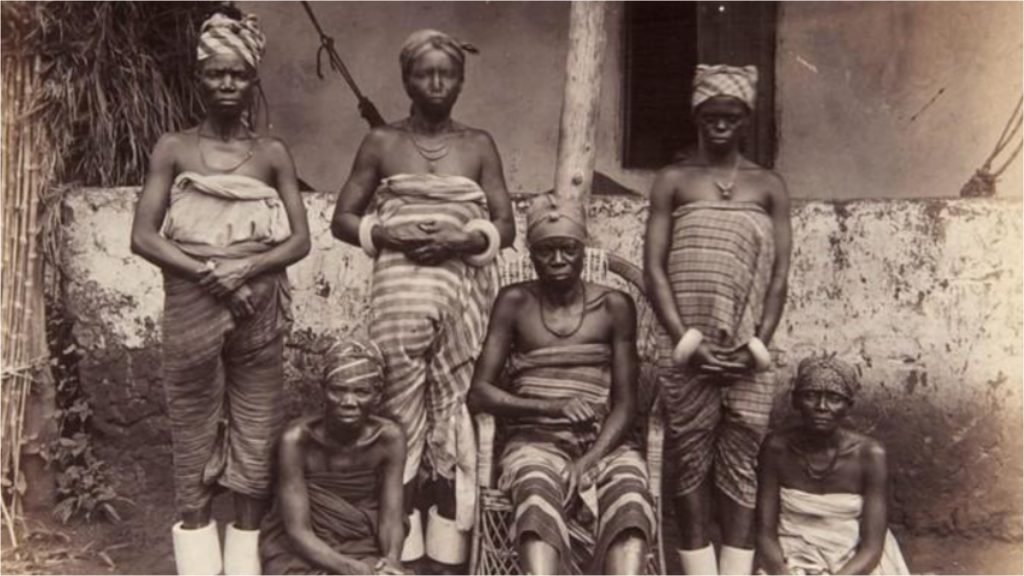
Regarding the Ichafu, which has been worn by Igbo women since the 1800s, it was originally known as Ulari or Unari. According to Ozi Ikoro, it was worn to reflect title and maturity, and by women to signify they were married.
The name was gradually replaced by “Ichafu” following exposure to European trade exchanges with the French in the late 19th and early 20th centuries. This confirms that the practice of head-wrapping was used in Igboland even in pre-colonial Nigeria.

Conclusion: A Shared Heritage
Another group argues that both Ichafu and Gele are simply the same type of headgear with different native names, regarding the argument as flimsy and unnecessary. But the “Gele Warriors” and “Ichafu Knights” are not having it; they insist that Gele is not Ichafu, and Ichafu is not Gele.
It is not the first time this argument has happened, especially on the streets of X. It is the same old debate, with each side claiming the other was the original inspiration.

About The Author