


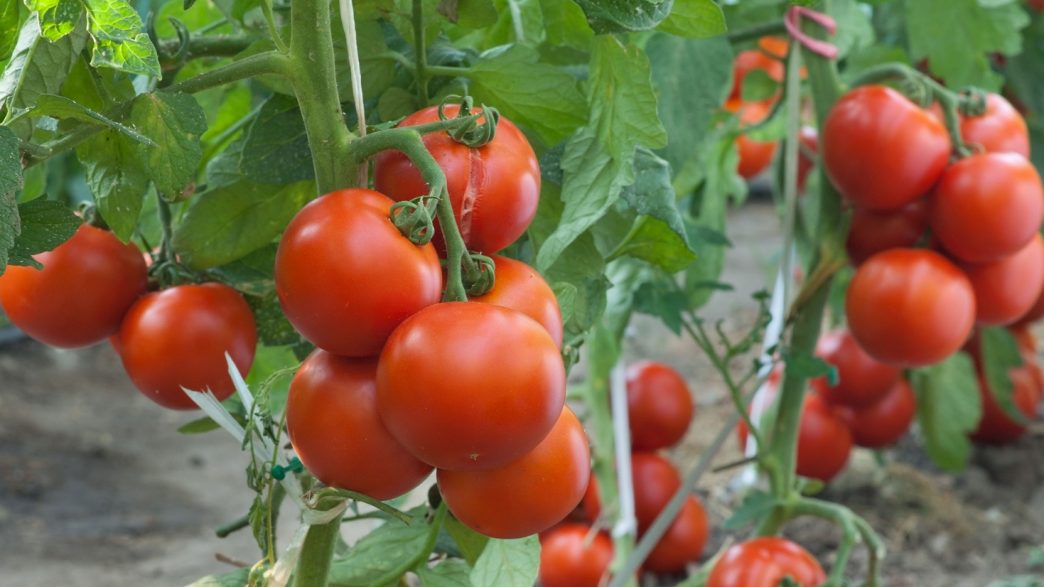
Ghana possesses fertile land, a strong farming culture, and suitable climatic conditions to grow tomatoes, yet there is still the topic of Ghana’s tomato importation from Burkina Faso.
In mid-March, Burkina Faso banned the export of tomatoes to support its own processing industry by keeping more produce within its borders.
This measure may severely affect the supply of tomatoes in Ghana, particularly given the nation’s limited domestic production. Traders in northern Ghana typically depend on cross-border supplies to stock their markets. 
SEE ALSO: Burkina Faso Just Banned Tomato Exports—How It May Affect West Africa
Why Ghana Imports Tomatoes from Burkina Faso
There is almost no Ghanaian cuisine that does not feature tomatoes. According to News Ghana, the country does not produce enough tomatoes to feed its population year-round. While Ghana produces approximately 368,000 metric tonnes annually, the national demand is closer to 800,000 metric tonnes. Imports from Burkina Faso currently bridge this gap, accounting for nearly 400,000 tonnes of the required supply.
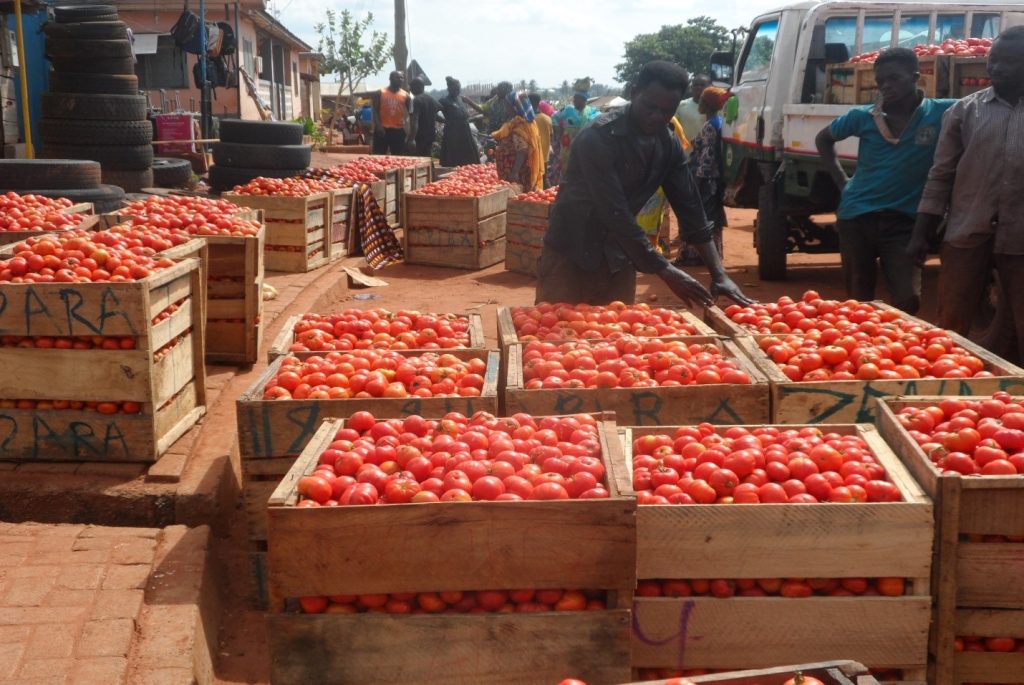
Seasonal Farming and Irrigation Gaps
Tomato farming in Ghana remains largely seasonal. The country suffers from a poor irrigation system and depends heavily on rainfall. During the rainy season, there is often a glut of tomatoes, leading to a surplus that causes prices to crash and farmers to lose money.
However, during the dry season, supply plummeted. This inconsistency forces traders to rely on Burkina Faso, which has developed more robust dry-season production systems, making it a more reliable year-round exporter.
Weak Storage and Processing Infrastructure
According to a report by Joy Online, Ghana loses 30% to 50% of its fresh produce annually due to weak storage infrastructure. During periods of surplus, there are no adequate systems, such as cold storage, to preserve tomatoes for the dry season. Beyond storage, there is also a critical lack of processing facilities to convert fresh tomatoes into paste or puree.
Transport and Logistics Challenges
Even when tomatoes are successfully harvested, poor road networks from farms to consumers slow down distribution. Furthermore, rising transport costs often lead to spoilage. Frequently, by the time tomatoes reach urban centres, nearly half are spoilt. These inefficiencies make imported tomatoes, ironically, more competitive, leading consumers to opt for the imported alternative.
Policy and Investment Gaps
The Ghanaian government must do more to address these issues. According to Business Day Ghana, experts consistently point to the fact that the government provides insufficient support for agriculture. Farmers are forced to manage with minimal support and tools that are often nonexistent.
Additionally, there is the issue of weak long-term planning. As a result of these systemic failures, more than $400 million is spent annually on tomato imports.

About The Author