


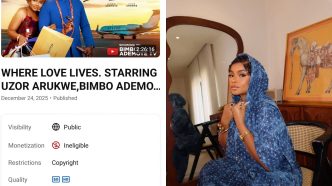
When a Nollywood film racks up over 18 million views on YouTube, the last thing its creator expects is to wake up to zero monetisation. But that’s exactly the headache actress and filmmaker Bimbo Ademoye found herself dealing with thanks to what she describes as blatant copyright theft.
Ademoye recently revealed that her December 2025 release, ‘Where Love Lives,’ was demonetised on YouTube with earnings reportedly redirected to another party. The film had enjoyed massive traction on the platform before its revenue stream was abruptly cut off, triggering what has now become a full-blown copyright row.
Also, Bimbo Ademoye copyright battle has sparked a wider conversation about how YouTube handles ownership disputes. How does the platform’s copyright system work? How easily can monetisation get disrupted? And why filmmakers can no longer afford to treat music clearance as an afterthought. 
ALSO READ: Bimbo Ademoye’s ‘Where Love Lives’ Review: 9M Views in 4 Days, But Is It Worth The Hype?
What Triggered the Bimbo Ademoye Copyright Dispute?
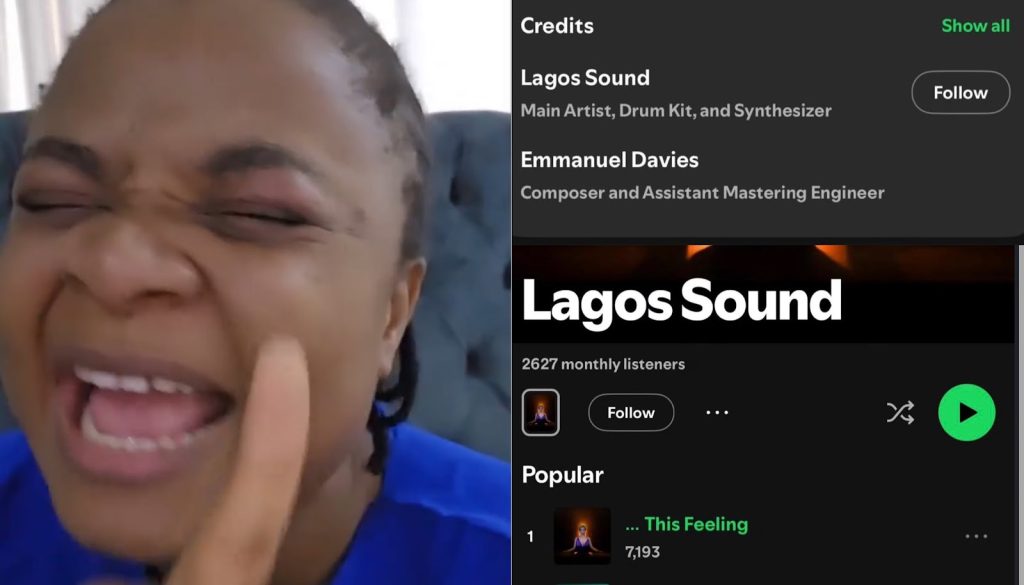
According to Ademoye, the issue began when a man identified as Emmanuel Davies allegedly claimed ownership of a song used in the film. She maintains that the soundtrack was fully cleared, paid for, and used with the artist’s consent. However, she alleges that the same song was later uploaded to Spotify and other digital platforms under a different name.
That action triggered YouTube’s automated copyright detection system. Once a match was detected, YouTube flagged ‘Where Love Lives’ and redirected its monetisation. All of these without first determining who was legally right.
In a strongly worded Instagram post, Ademoye stressed that the issue was not just about lost revenue but about ownership, accountability, and principle. She also revealed that this was not her first experience with such claims. Her earlier film, ‘To Be A Friend,’ reportedly lost monetisation after reaching around 6 million views due to a similar dispute.
This time, Ademoye says she has initiated legal action and ruled out any informal settlement.
How YouTube Copyright and Monetisation Work
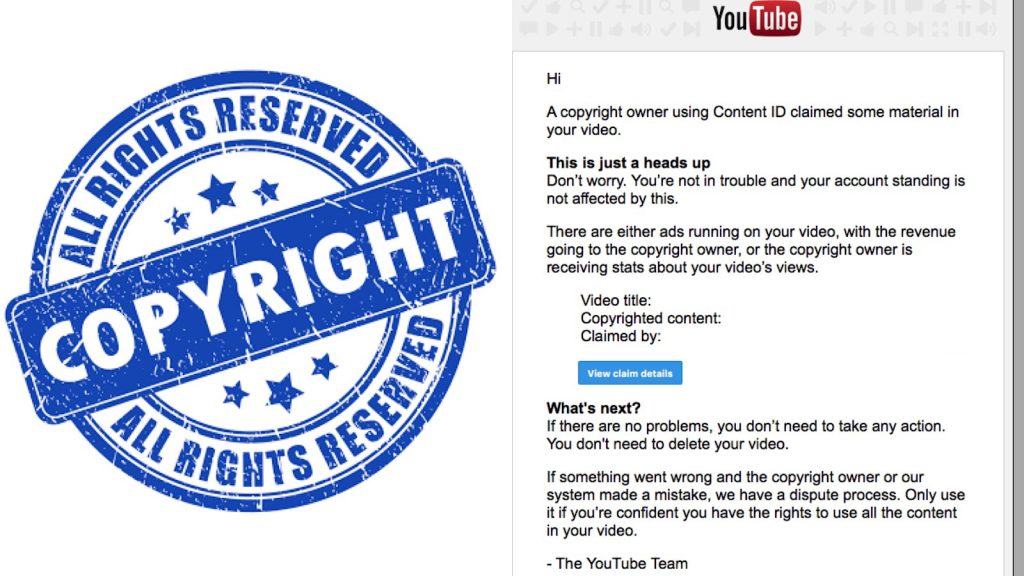
YouTube relies heavily on its Copyright Management Suite, particularly Content ID. This is an automated system that scans uploaded videos for copyrighted audio or visual material. When a match is detected, the platform does not investigate intent or context. Instead, it acts on the data available to it.
That can mean monetisation getting paused, blocked, or redirected to the claimant. Then, a dispute is reviewed. Creators are allowed to challenge claims. But the responsibility lies entirely with the uploader to respond and provide documentation.
YouTube’s transparency data shows that between July and December 2023, over one billion Content ID claims were issued. Fewer than 1% were disputed, but more than 65% of disputes were successful. This is often because claimants failed to respond within the review window. Clearly, silence can be expensive.
5 Legal Lessons Filmmakers Should Learn Going Forward
According to intellectual property lawyer Olumide Olu-Ayeni Esq, cases like this expose recurring gaps in how African filmmakers approach copyright. You can handle things better by keeping these lessons in mind.
1. Permission is not Ownership
That you got verbal approval or goodwill does not transfer rights. Ensure there are written agreements.
2. Always Have Synchronization Licences
Every use of music in film requires a sync licence. You can’t replace this with an informal consent.
3. Get Complete Clearance
Reduce monetisation risks by getting complete and explicit music clearance. It should cover platforms like YouTube, monetisation rights, territories, and Content ID registration.
4. Digital Platforms Prioritise Metadata Above Intent
YouTube only deals with the right registrations and data to prove ownership.
5. Protect Your Earnings With Contracts
Clear documentation is the only reliable safeguard against monetisation disputes.
ALSO READ: MUST-WATCH: 10 Nollywood YouTube Movies With The Highest Views
Bimbo Ademoye copyright row is not an isolated case. It is a wake-up call. As YouTube becomes a dominant distribution channel for African movies, legal literacy is now as important as creative excellence. It isn’t enough to go viral. Protect yourself legally.
About The Author