


When it comes to beauty and artistry, we have to give it up for African fashion designers. No, not the regular tailor or your local shop where local ready-to-wear outfits are made, but the ones whose designs sit right between high-end and fast fashion.
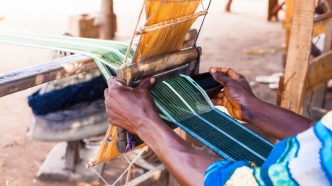
Their creativity and vision reveal just how regal African culture is. For instance, Kilentar’s signature use of fringe and Hertunba’s creative use of the aso-oke. Both brands make their clothes with ethically sourced materials that are good for the environment.
However, these outfits remain far out of reach for the average African. They may be made in the continent, but not for those living in it. 
While 65% of African consumers say they prefer locally made clothing, only 4.2% shop for fashion online, the lowest rate globally. This infrastructure gap allows affordable global giants to dominate; for instance, Shein and Temu captured 37% of South Africa’s online fashion market in 2024, per LhaudeAfrica which is a network for African fashion professionals.
Most Africans end up going to open-air markets to buy cheaper, Chinese-made alternatives or thrifts rather than buying from local designers. According to Lhaude Africa, Kenya imported $218.2 million worth of secondhand clothing in the year ending March 2024, a 14.5% increase year-on-year. Approximately 24 million Kenyans rely on secondhand clothing.
However, diaspora customers are where African designers make their most money. By 2026, Black consumers globally are projected to control $2.1 trillion in buying power, with the strongest loyalty directed toward brands that align with their identity. Additionally, 75% of Black Americans actively embrace emerging styles and high fashion, and 55% of the African diaspora in the UK purchase at least one item of African-branded apparel per year.
This reliance on international buyers isn’t surprising when you look at the price tags. Banke Kuku’s mesh dresses cost between $200 and $400, and Hertunba’s pieces are similarly priced.
Ironically, Nigerian stylist Veronica Odeka recently said on a podcast with Gbemi O. that she chooses not to put price tags on her clothes online, calling the practice “tacky”. What went unsaid, however, is that her real clientele aren’t bothered by the cost; they just want to buy outfits they love.
None of this is to say these garments aren’t worth the price. When you factor in the high cost of local production, skilled labour, and craftsmanship, these pieces simply cannot be priced at $5 like mass-produced fast fashion from overseas sweatshops. Plus, they are mid-luxury or even premium and not high-end designers like Chanel and Louis Vuitton, which cost thousands more dollars.
As Lhaude Africa perfectly summarised, “The customer who most deeply believes in African fashion, locally, is being priced out of it. The per capita spend of $54.77 a year does not leave room for premium positioning. The diaspora customer fills that gap generously, emotionally, and reliably. But they are not a substitute for a functioning local market. They are a bridge. And a bridge is only useful if something is being built on both sides of it.”
Perhaps if African leaders focus on building our economy, infrastructure and security, local consumers will no longer be priced out of fashion in their own backyards.
ALSO READ: Davido’s World Cup Fashion Exposes Afrobeats’ Pivot From Loud Resistance

About The Author