


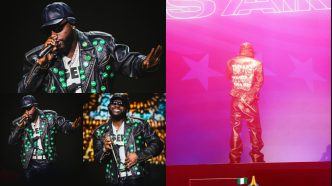
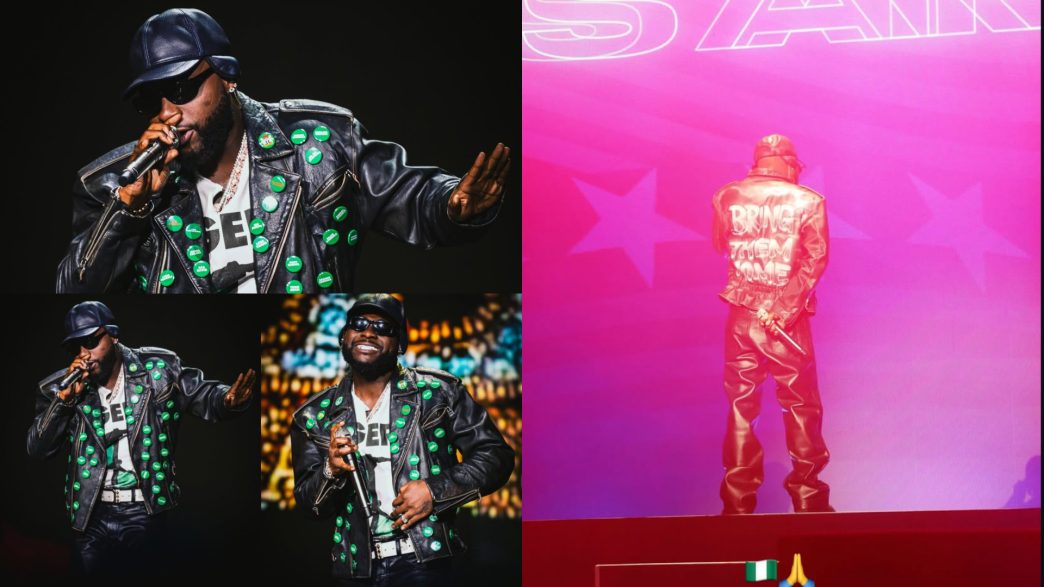
Nigerian Afrobeat artist Davido made a subtle statement with his jacket at the 2026 FIFA World Cup countdown concert in Los Angeles.
Performing on a world stage alongside tracks like No Place Like Home with Nelly Furtado and Major Lazer. Davido wore a custom black leather jacket emblazoned with pins bearing the names of 39 students and seven teachers who were abducted by bandits in the Oyo State school kidnapping on May 15, 2026.
Some names are in white while others are in red, marking those who had died, including a beheaded teacher. On the back: “BRING THEM HOME.” He called out specific names to the crowd, demanding their safe return and prayers for the captives. 
SEE ALSO: How Nigerian Celebrities Have Been Reacting to Rising Insecurity
Davido’s World Cup Jacket: Why the Shift to Subtlety?
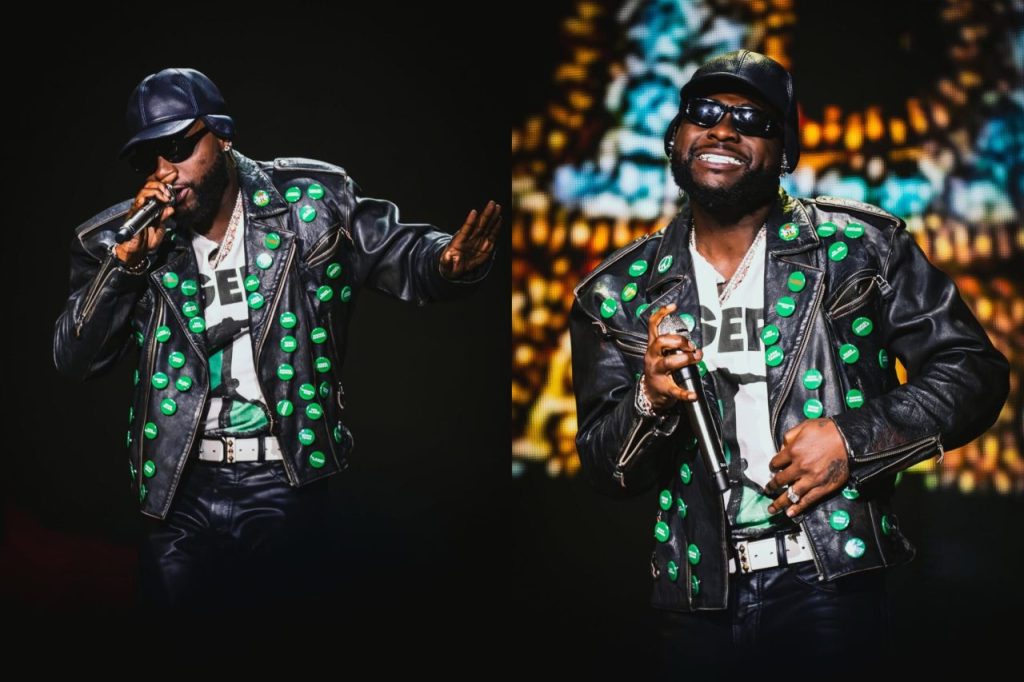
It wasn’t a full protest song. It was a visual, emotional statement. The show Davido put up was impossible to ban from the airwaves because it unfolded live before thousands and spread virally online. Davido’s World Cup jacket shows what Afrobeat has come down to: subtle resistance to national crisis.
Nigeria is a country where music has long served as the heartbeat of resistance. Music has served as the voice of the voiceless for Nigerians. However, it’s becoming clearer that even the deepest anthems are fading into irrelevance or being deliberately silenced.
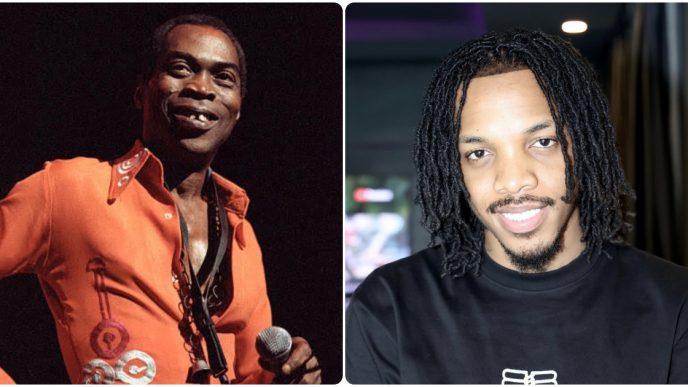
Songs like Falz’s This Is Nigeria (2018) and Eedris Abdulkareem’s iconic Jaga Jaga (2004) painted vivid pictures of a nation wrestling with economic collapse, rampant insecurity, kidnappings, and leadership failures. Fela Kuti, the pioneer of Afrobeats, was known for embodying the dangers of outspoken protest through his songs. His music was a weapon, the people’s weapon.
These songs came with confrontations like outright bans, harassment, or worse.
Fela Kuti faced relentless persecution for his sarcastic critiques of military regimes and corruption. Soldiers raided his compound, and his mother was killed. He reportedly endured about 200 arrests, beatings, and imprisonment.
Eedris Abdulkareem experienced a similar backlash. His 2004 hit Jaga Jaga drew harsh public condemnation from then-President Olusegun Obasanjo. The song was then banned from the airwaves. Recently, his 2025 track Tell Your Papa, criticising the current administration, was banned by the National Broadcasting Commission (NBC) for violating broadcast codes.
Falz’s This is Nigeria, a cover of American singer Childish Gambino’s This is America, addressed several societal issues prevalent in Nigeria, including the now-defunct SARS brutality and unrestrained killings. However, the NBC declared it unfit for radio and banned it.
In response to these confrontations, many contemporary artists have pivoted to nuanced, symbolic acts that evade easy censorship while highlighting issues like insecurity, kidnappings, economic hardship, and governance failures. They have shifted to gestures that spread virally without giving regulators an easy target for bans, like social media posts and Davido’s World Cup jacket.
Burna Boy found a creative way to weave critique into Monsters You Made. In it, he addressed government failures, fear, and marginalisation in a way that resonates deeply but fits within his artistic brand. That way, he was able to avoid the full-frontal approach that doomed earlier anthems.
Many more contemporary artists have appeared hesitant to produce direct, full-throated protest anthems for fear of repercussions. They’ve chosen to stay silent or be silenced.

About The Author