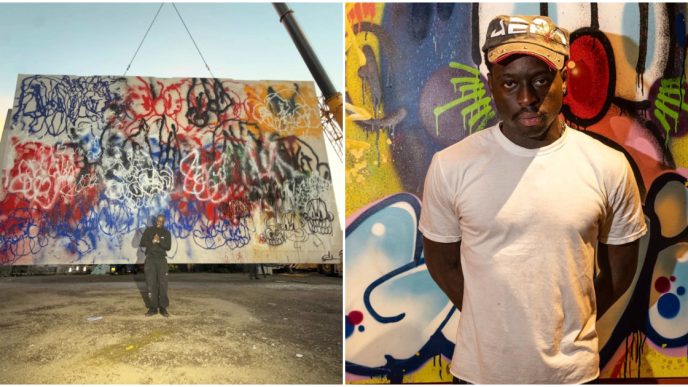




The news about Anifa Mvuemba pausing her brand, Hanifa, has sparked a larger conversation about the unique pressures Black women face in entrepreneurship.
Whether it’s due to “founder burnout,” a lack of sustainable capital, or intense public scrutiny, several notable Black women-owned businesses have recently had to pause, restructure, or close entirely.
Here are a few notable examples: 
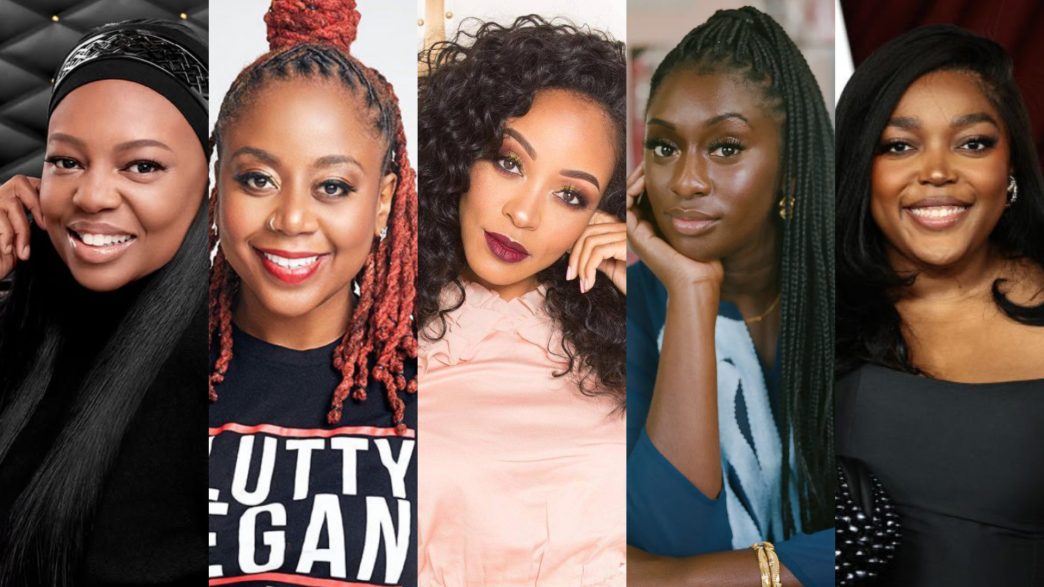
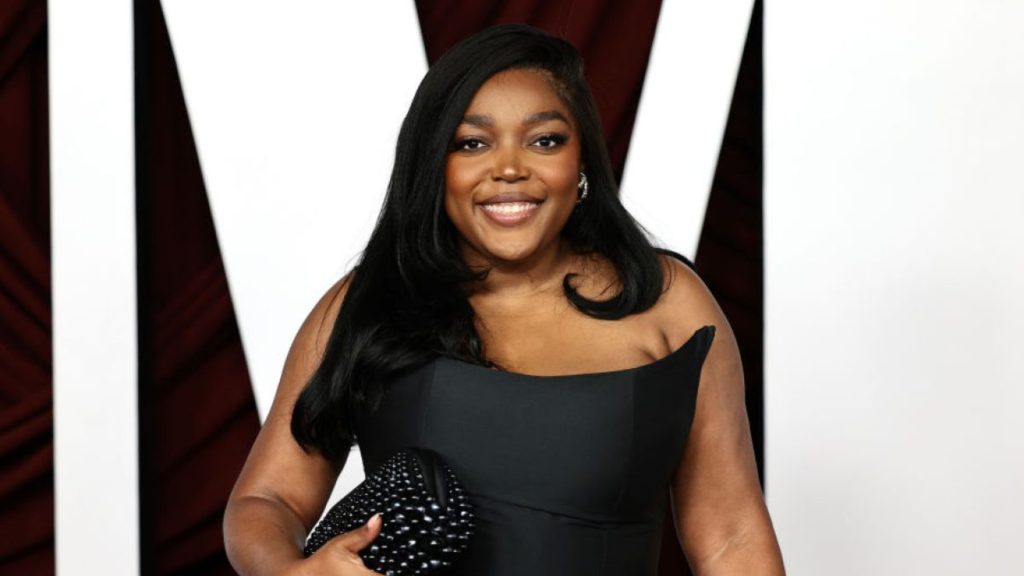
Diarrha N’Diaye-Mbaye (Ami Colé)
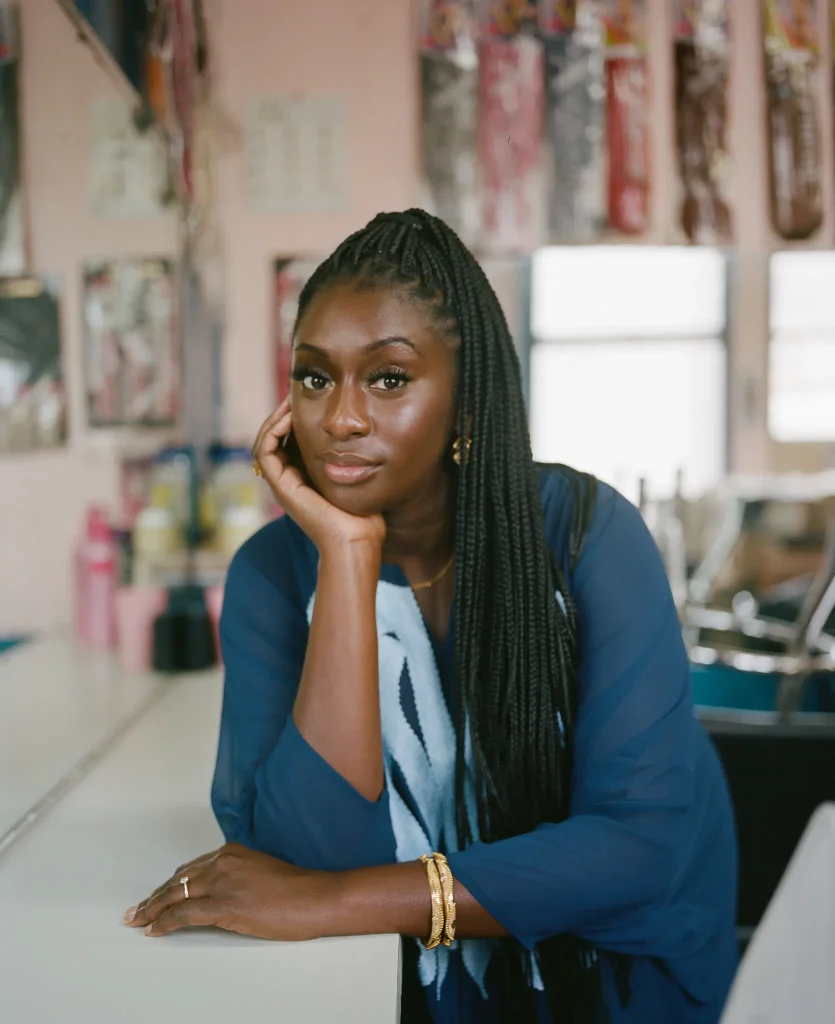
Senegalese-American entrepreneur Diarrha N’Diaye-Mbaye launched Ami Colé in 2021. Ami Colé was a beauty brand made specifically to enhance the beauty of dark skin tones. Because of its focus on melanin-rich skin tones, Ami Colé went viral for its lip products, was stocked in several Sephora stores in the U.S. and Canada, and also won several awards.
However, in July 2025, N’Diaye-Mbaye announced the shutting down of Ami Colé due to an inability to sustain the high costs of running the beauty brand and difficulty securing enough funding to scale. She explained that competing with larger, well-funded beauty companies and maintaining a retail presence became financially unsustainable.
Cashmere Nicole (Beauty Bakerie)

After more than a decade of running Beauty Bakerie, its founder, Cashmere Nicole, announced it was shutting down operations in April 2024. Nicole explained that she was taking a break to focus on her faith, family, and personal life. The company was later acquired by an investment firm, which allowed the brand to continue under a new owner.
Pinky Cole (Slutty Vegan)
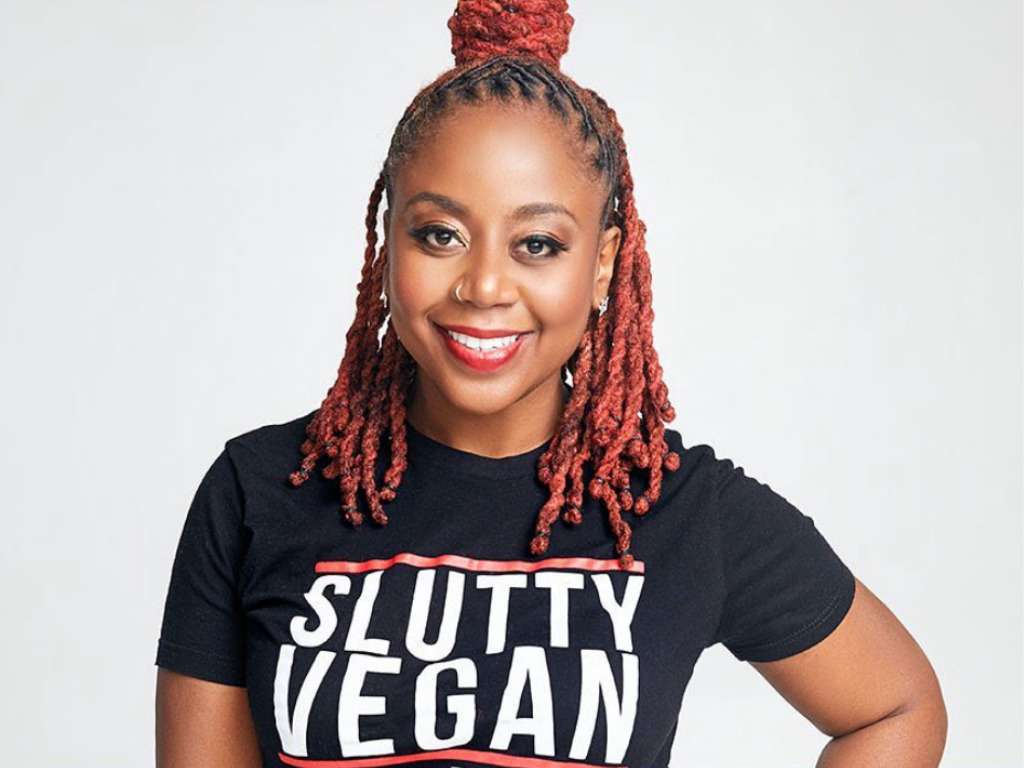
Pinky Cole Hayes founded Slutty Vegan, a vegan fast-food restaurant, in 2018. The restaurant quickly became a popular $100 million business. But in 2023, Pinky revealed that Slutty Vegan had gotten into serious financial trouble after taking on a significant amount of debt while expanding the brand. She, however, regained ownership after renegotiating with investors and restructuring the business.
Pat McGrath (Pat McGrath Labs)
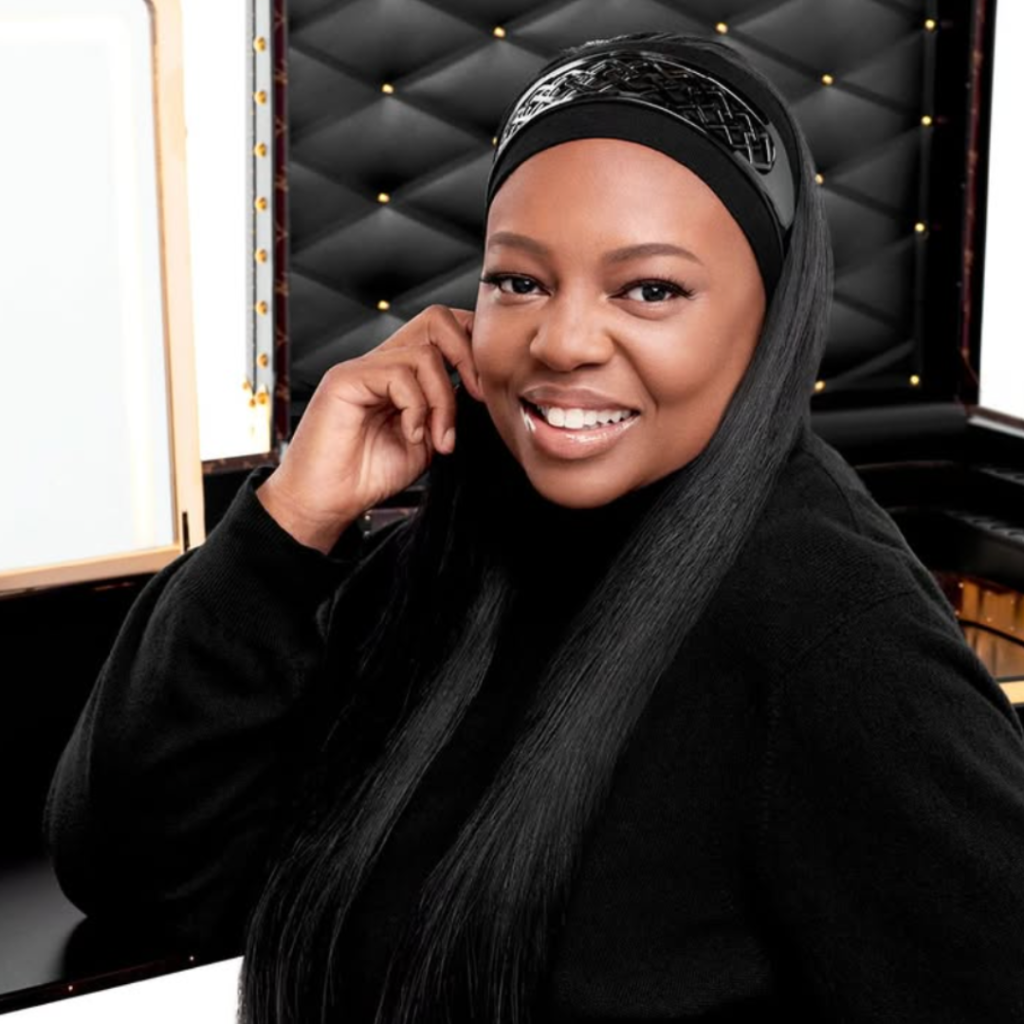
Pat McGrath founded Pat McGrath Labs in 2015. She was called the most influential make-up artist in the world by Vogue magazine, and Pat McGrath Labs had become a $1 billion company and the biggest-selling beauty line at Selfridges by 2019.
Due to supply chain disruptions after 2023 and subsequent financial challenges, the company discontinued the production of some of its products and collections while McGrath took a step back from day-to-day operations.

About The Author