


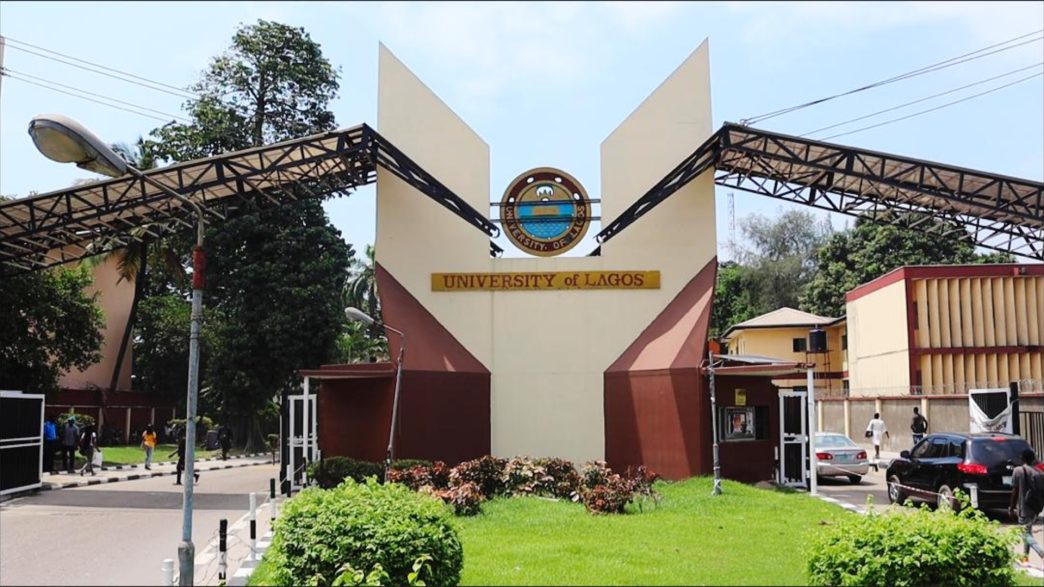
The recent court ruling ordering the University of Calabar to pay ₦55 million to eight former students over an unaccredited engineering course has raised an important question for many prospective students.
The students had spent about five years studying the programme, paying fees and writing exams, only to later discover that the course was not accredited. The case has now made many students ask an important question: how can you know if the course you want to study is actually accredited?
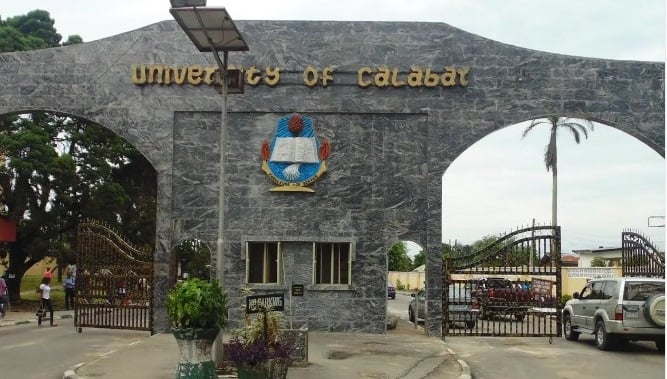
In Nigeria, accreditation of courses is handled mainly by the National Universities Commission (NUC). The agency evaluates programmes in universities to ensure they meet the country’s Benchmark Minimum Academic Standards (BMAS). If a programme is not accredited, it means it has not been approved to run fully. 
To avoid problems later, here are simple steps you can take to verify if your course or one you plan to study at a particular institution is accredited:
1. Visit the NUC website
The NUC official website (www.nuc.edu.ng) publishes lists of accredited programmes in Nigerian universities. Visit the website and type in your course and instruction of choice to confirm accreditation.
2. Check the JAMB brochure
Should you plan to register for JAMB or already have and want to verify your chosen course, the brochure contains information about courses offered in Nigerian universities and their accreditation status. However, it’s still wise to confirm with the NUC for the latest updates.
ALSO READ: Top 10 African Universities in 2026: See Countries that Dominate QS Rankings
3. Contact the university directly

You can always reach out to the registrar’s office or the academic planning unit of the university. They will be able to help you confirm the current accreditation status of the department. You can always reach out by sending an email or visiting the school directly if it’s close.
4. Use the NERD database
There’s also the Nigeria Education Repository and Databank (NERD), which provides information about institutions and their academic programmes.
It’s also helpful to know that programmes may have full accreditation, some interim accreditation, and others failed accreditation.
Consequences of Studying An Unaccredited Course
Studying an unaccredited course can have serious consequences. Degrees from such programmes will not be recognised, and as a graduate, you will struggle with professional certification and even participation in the National Youth Service Corps (NYSC) scheme.
In short, before accepting admission into any university programme, take a few minutes to confirm its accreditation. That simple step could save you years of frustration.

About The Author