


As Nigeria’s 2027 general election draws closer, a new and unexpected chapter is unfolding in Southeast politics.
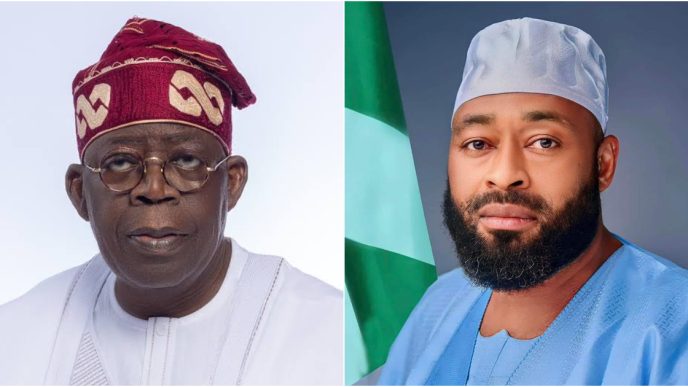
A cluster of prominent Igbo businessmen has emerged in support of President Bola Ahmed Tinubu via the City Boy Movement (CBM), a youth-focused political support group.
This group is led by Seyi Tinubu, son of the president, and its role is actively mobilising for his 2027 re-election bid. 
RELATED: ‘Igbos Are Too Cheap’: Isaac Fayose and Cubana Chief Priest Face-Off Over City Boy Movement
What is the City Boy Movement?
The City Boy Movement started in 2022 as a youth support group backing President Tinubu and his Renewed Hope agenda. It focused on mobilising young Nigerians to support his policies through civic engagement and grassroots action.
By 2026, the group began appointing state and diaspora leaders to strengthen its structure ahead of the 2027 elections and expand its national reach.
The October Meeting and the Igbo Business Circle
In October 2025, at the prestigious Delborough Hotel on Victoria Island, Seyi Tinubu convened a high-level gathering of youthful Igbo entrepreneurs under the “Change Nigeria” initiative.
This was the pivotal moment in the growing alliance between Igbo business leaders and the Tinubu 2027 project.
The guest list was the who’s who of Southeast commercial success:
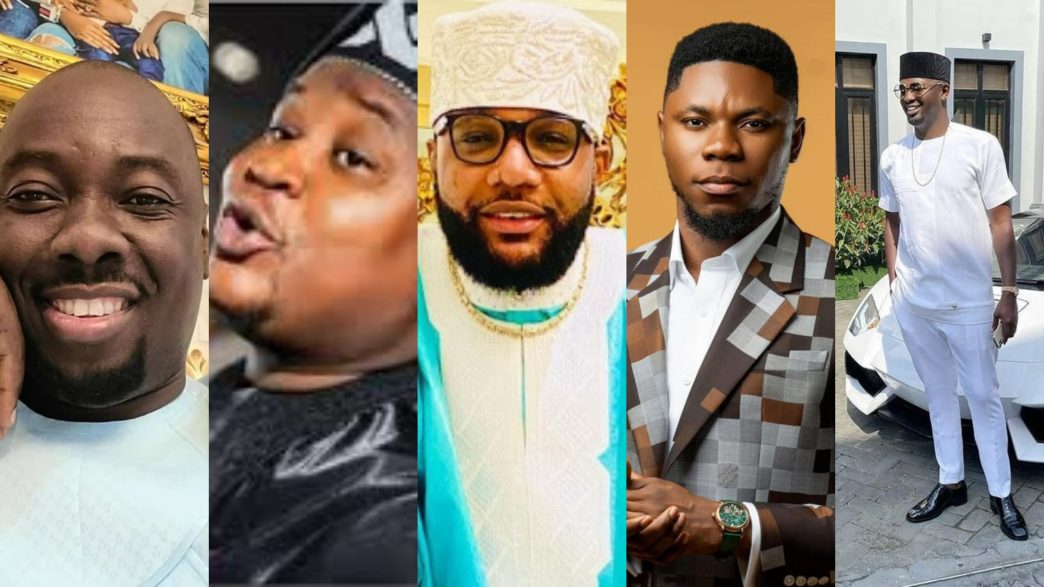
- Obi Cubana – Chairman of Cubana Group
- Stanley Uzochukwu – Founder of Stanel Group
- Enviable (Ituma) – Entrepreneur and social figure
- E-Money – Music executive and businessman
- Hon. Chima Anyaso – Businessman and media personality
- Other notable figures linked to innovation and youth development
In posts shared by some attendees on social media, the event was celebrated as a forum of great minds united in purpose and a call to guided action for peace and prosperity.
All the Igbo Billionaires Supporting Tinubu’s City Boy Movement
Today, the internet woke up to a video of 100 brand-new 2026 Toyota Hiace buses that were donated to the City Boy Movement. What was shocking was that these buses were donated by a group of Igbo billionaires.
Businessmen including Cletus Uzoezie Oragwa of Zenco Oil, Cubana Chief Priest, and Obi Cubana donated the branded buses worth millions of naira and handed them over at an event on Wednesday, February 11th, 2026.
Some of the donors declared that Tinubu’s 2027 victory was certain and that there was no serious opposition.
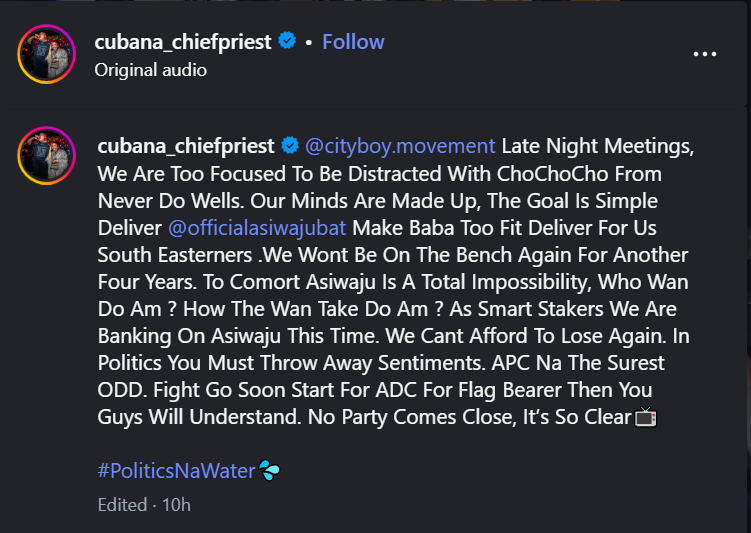
So far, the confirmed list of Igbo billionaires supporting Tinubu includes:
1. Obi Cubana – Anambra
2. Nonso Ozoemena (Ugegbe Anam) – Anambra
3. Ituma Chukwuemeka (Enviable) – Ebonyi
4. Cubana Chief Priest (Pascal Okechukwu) – Imo
5. Francis Nwaogwugu Udochukwu (Vintage) – Imo
6. Joseph Ezeokafor Jr. (Jowizaza) – Anambra
7. Emeka Okonkwo (E-Money) – Anambra
8. Mr. Cletus Uzoezie Oragwa (Zenco Oil) – Anambra
9. Chief Christian Okonkwo (C-Energy Oil) – Anambra
While APC supporters praised the gesture, critics argued it was a betrayal in a region known to favour the Labour Party, with some saying the money could have been used for ambulances instead.

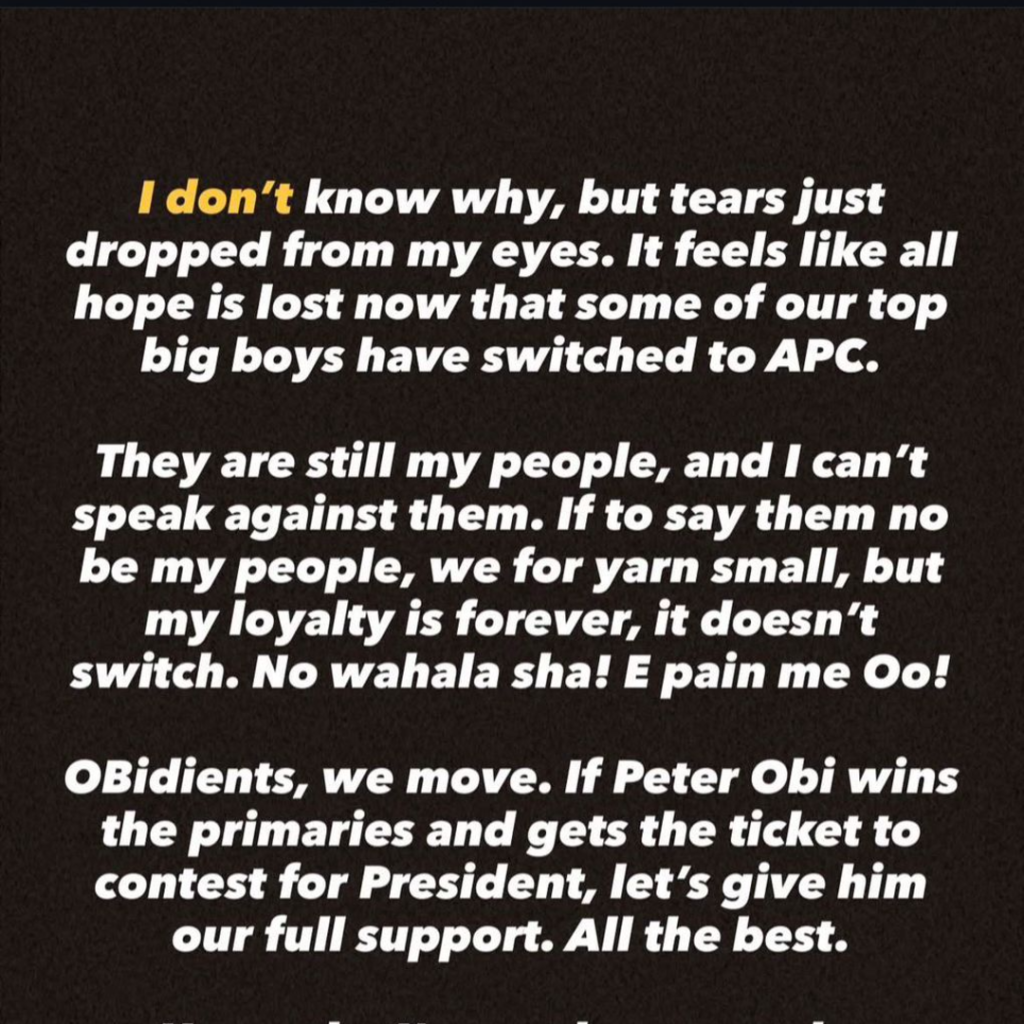
Popular blogger Tunde Ednut reacted to the development by saying he “mourns” the political shift of these Igbo businessmen, who are his friends and were once known as Obidients.
According to him, it appears all hope is lost for Peter Obi in 2027.
Obi Cubana’s Strategic Political Pivot
Perhaps the most talked-about development has been Obi Cubana’s new role in the City Boy Movement. He accepted his appointment as the South-East Coordinator of the group at his residence in Abuja.
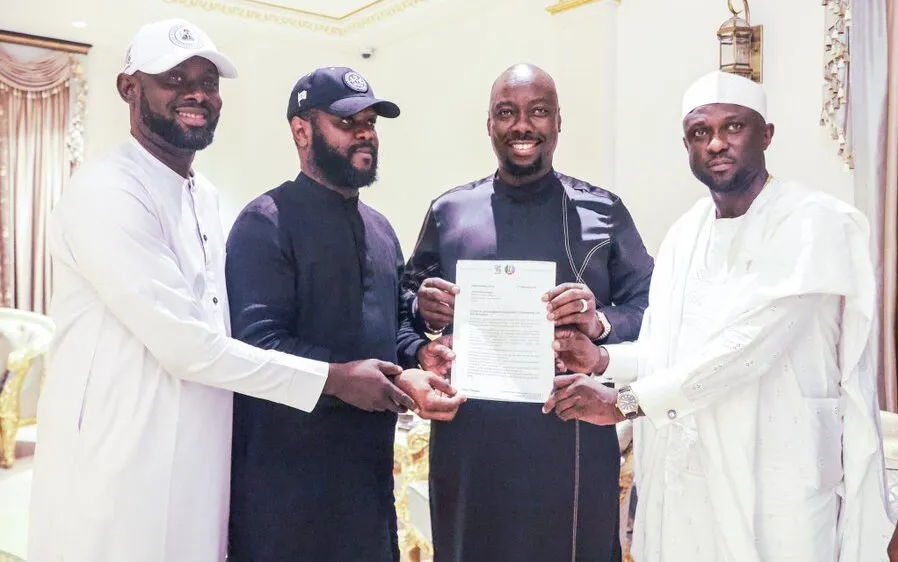
His decision immediately sparked strong reactions both online and offline.
Critics accuse him of abandoning ethnic solidarity by aligning with Tinubu’s camp instead of supporting fellow Igbo political figures such as Peter Obi.
However, Cubana has defended his move. He describes it as a practical step aimed at improving the South-East and contributing to national development.
Other businessmen in the movement have also defended their support, saying they want to promote job creation and economic growth. They reject claims that their involvement is purely transactional.
For many Nigerians, whether supportive or critical, this mix of business influence and political mobilisation offers an early glimpse of how the 2027 election battle may shape up.

About The Author