


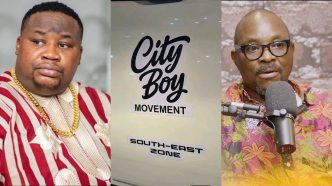
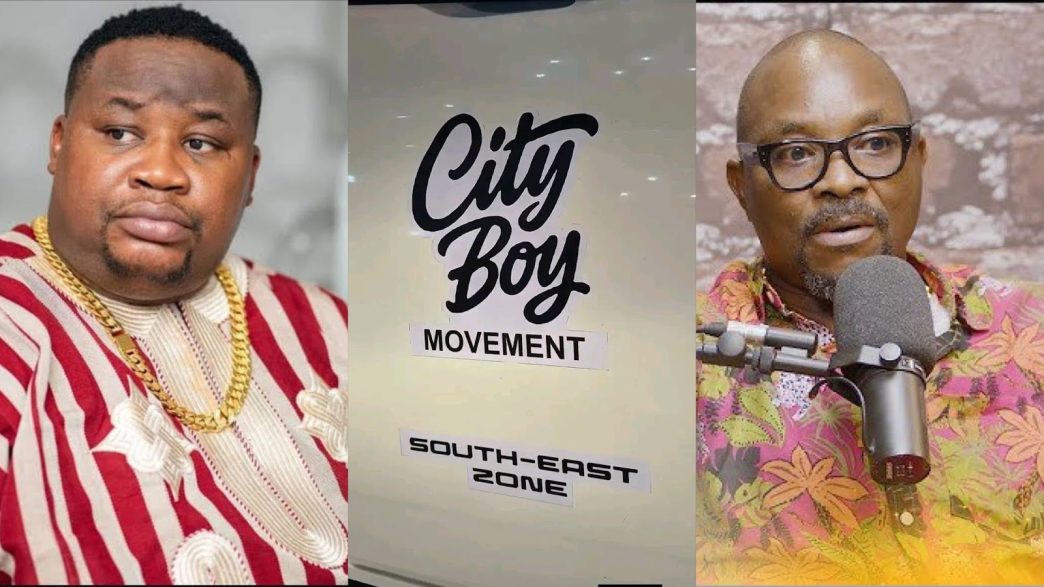
It all started as a political alignment ahead of the 2027 Nigerian general elections, but it has now become one of Nigeria’s most viral social media feuds and talking points. The latest face-off is between Cubana Chief Priest (CCP) and Isaac Fayose.
The City Boy Movement is a political support structure aligned with President Bola Tinubu’s administration. The movement was back in the news after Cubana Chief Priest (Pascal Okechukwu) and Obi Cubana were appointed as the Imo State Director and the South-East Zonal Coordinator, respectively. For supporters, it symbolised Igbo inclusion in national power structures. For critics, it represented opportunistic alignment with power.
DID YOU MISS: Which Nigerian Celebrities Are in Seyi Tinubu’s Group Asking Nigerians to ‘Relax, Tinubu Is Working’? 
Isaac Fayose vs Cubana Chief Priest
Isaac Fayose, brother of former Ekiti governor Ayo Fayose, shared that the appointment being was an opportunistic alignment with power. He sparked outrage after he made a reaction video claiming that “Igbos are too cheap, too money-driven, and easy to buy.”
He also accused the tribe of abandoning Nnamdi Kanu despite complaints about marginalisation. As a contrast, he mentions how Yoruba elites allegedly rallied around Sunday Igboho, and how northern elites backed figures like Sheikh Gumi speaking for their interests.
Cubana Chief Priest fired back aggressively. He accused Fayose of jealousy, dismissing the possibility of any impact from outside the system. He also openly admitted to choosing to be a businessman, politician, and government ally.
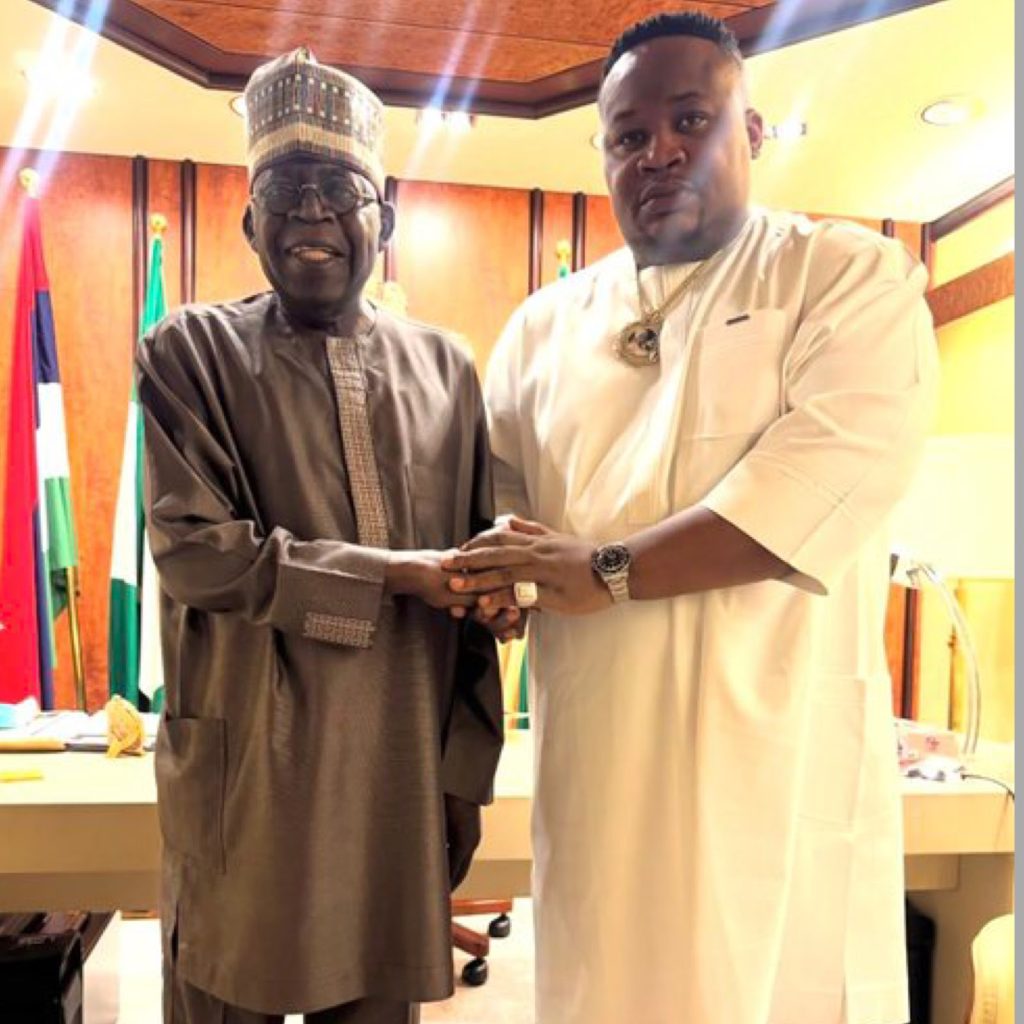
For Cubana Chief Priest, influence comes from proximity to power, not opposition. He added that he can now secure funding through institutions like the Bank of Industry with “just a memo.”
This face-off then became a wealth and influence contest. CCP claimed Fayose’s net worth was “in his wardrobe.” He listed his businesses, his son’s ventures, and his social impact. Fayose responded by questioning the legitimacy of CCP’s wealth, referencing international business history, and suggesting that in a “lawful country,” his wealth would be investigated.
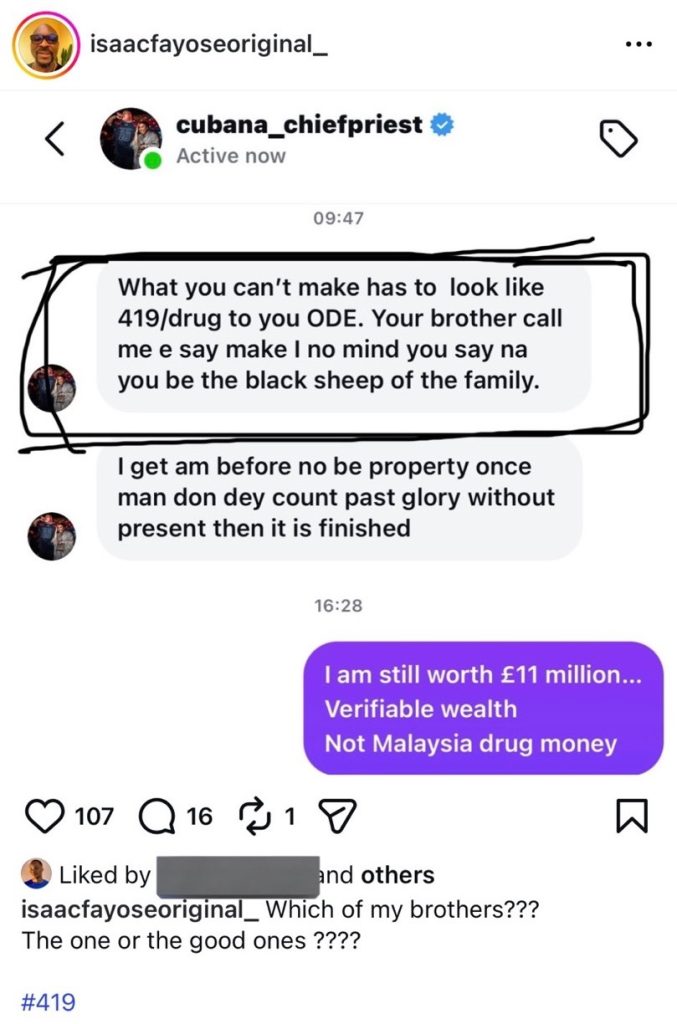
The feud went further when Isaac Fayose released private chats allegedly involving him and Cubana Chief Priest, intensifying public debate.
In Closing
Reactions online are split. Many Nigerians unexpectedly sided with Fayose, while others backed CCP’s “inside-the-system” strategy.
While the City Boy Movement began as a political alignment, it has now become a national conversation about power, identity, loyalty, wealth, and influence. It’s another testament to why politics in Nigeria rarely stays political.

About The Author