


Africa is often called the cradle of civilisation, but asking “What is the oldest country in Africa?” is trickier than it sounds.
Being one of the oldest countries in Africa can mean being an ancient kingdom, enjoying uninterrupted self-rule, or modern independence. Change the definition, and the list changes too.
So instead of forcing one winner, here’s a list of the eight oldest countries in Africa, for different reasons. Some of them existed long before colonial borders, some enjoyed early statehood and time-changing independence movements. 
1. Ethiopia: The Country That Never Had to Reset
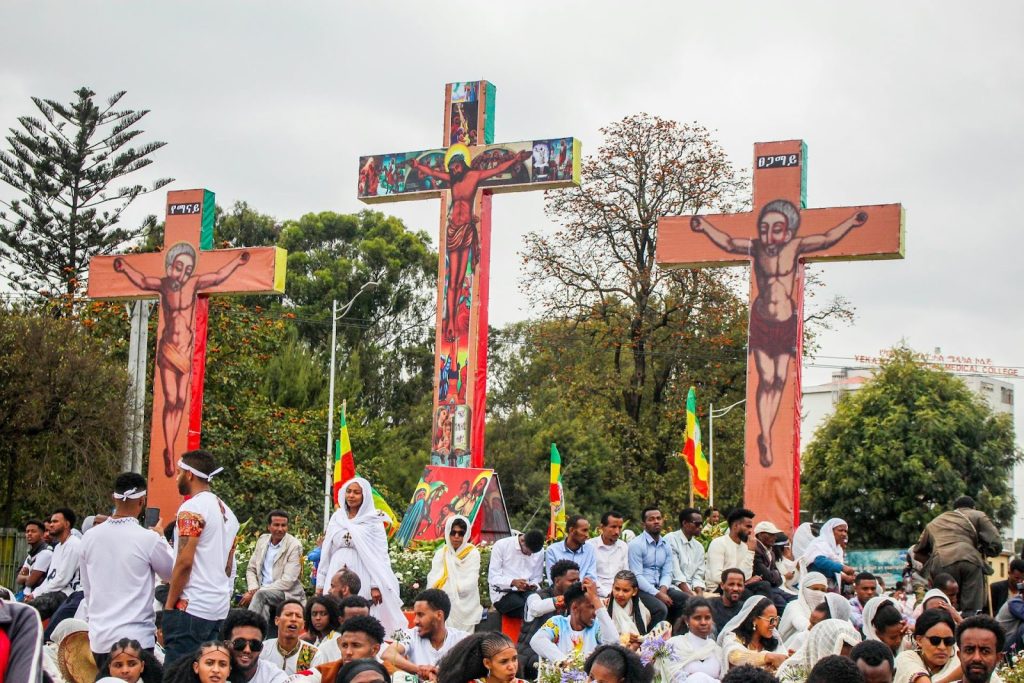
Ethiopia’s recorded history stretches back to the Kingdom of D’mt around the 10th century BC. Then, later, the Aksumite Empire was one of the great powers of the ancient world. It also became one of the first countries to adopt Christianity in the 4th century AD, preserving religious traditions that still shape daily life.
Famously, Ethiopia resisted European colonisation and defeated Italy in 1896, making it a symbol of African sovereignty. Add ancient rock-hewn churches, its own calendar, the birthplace of coffee, and UNESCO sites, and Ethiopia easily tops most “oldest countries in Africa” lists.
ALSO READ: Why Ethiopia Is Still in 2018 While the Rest of the World Lives in 2026
2. Egypt: Civilisation Since 3100 BC
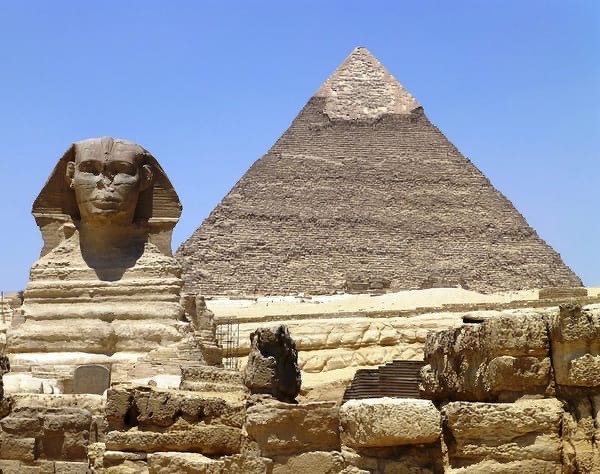
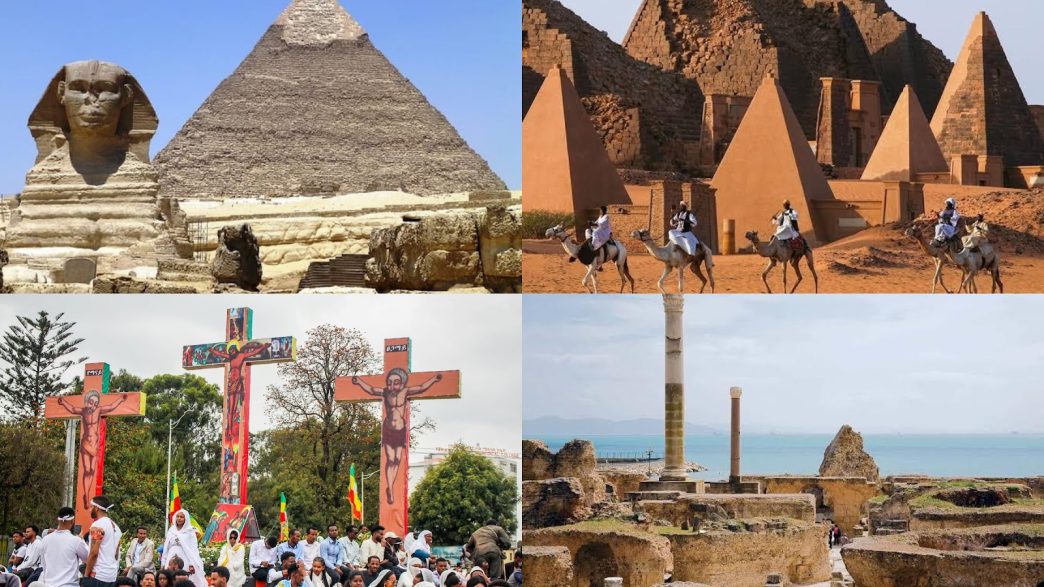
Egypt is ancient, not just old. This country has pharaohs, pyramids, hieroglyphs, and a civilisation that taught the world how to record history properly.
Modern Egypt gained independence in 1922, but culturally, it never changed. The Nile still dictates life, Cairo still guards millennia of artefacts, and Egypt remains one of Africa’s most influential states.
3. Sudan: Where Ancient Nubia Once Ruled
Long before borders were drawn, Nubian kingdoms flourished in what is now Sudan. These civilisations rivalled Egypt in power and architecture, and had their own pyramids.
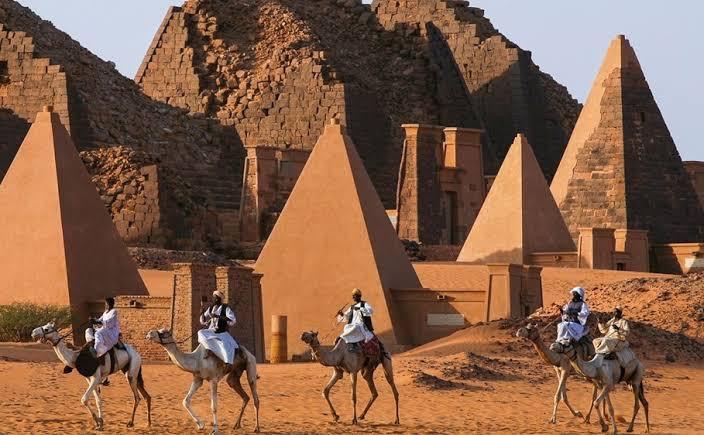
Sudan became independent in 1956. Although modern history has been turbulent, its cultural depth runs deep. Khartoum’s position at the meeting point of the Blue and White Nile feels symbolic for a country shaped by convergence.
ALSO READ: The 10 Most Powerful Kings in Ancient Africa
4. Liberia: Africa’s First Republic
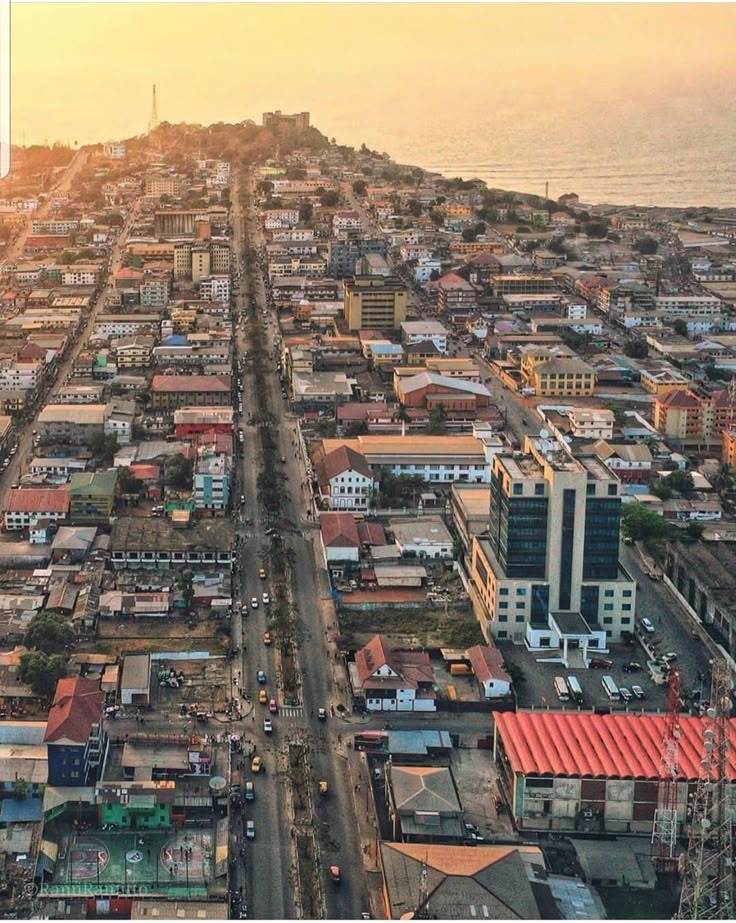
Liberia’s age comes from politics. Founded in 1822 and independent by 1847, it became Africa’s first modern republic while most of the continent was still under colonial rule.
Its story is complicated, marked by inequality and conflict. But Liberia’s early independence made it a symbol of Black self-rule in a colonial world that doubted it was possible.
5. South Africa: Old Land, New Rules
Human history in South Africa goes back hundreds of thousands of years. Dutch traders founded Cape Town in the 17th century. But modern South Africa was formed in 1910 and became a republic in 1961.
Its global significance comes less from age and more from transformation. The end of apartheid in 1994 turned the country into a powerful symbol of political rebirth, making it historically young but culturally ancient.
6. Morocco: A Kingdom That Outlived Empires
Morocco has been shaped by Berber dynasties, Roman rule, Islamic empires, and European pressure. Yet it retained a strong sense of continuity.
Independence came in 1956, but Morocco’s monarchy traces its legitimacy back centuries. Its cities, cuisine, and architecture reflect a country that absorbed influence without losing itself.
ALSO READ: 10 African Countries With the Most Beautiful Women
7. Tunisia: Where Everyone Passed Through
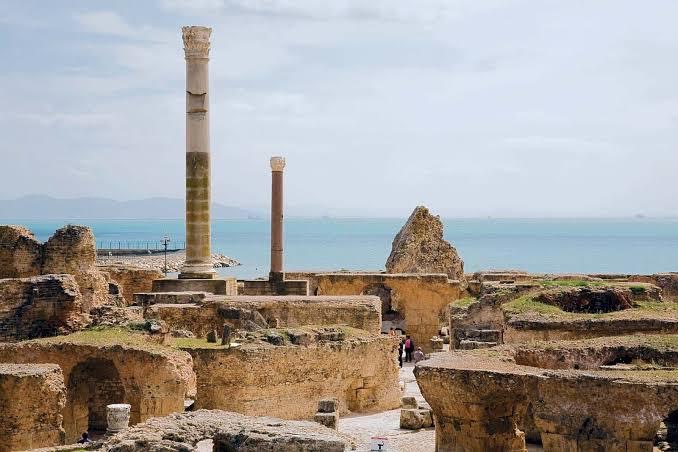
Phoenicians, Romans, Arabs, Ottomans, and French; Tunisia has hosted them all. Ancient Carthage once rivalled Rome, and its ruins still stand as proof.
Tunisia gained independence in 1956, but its historical weight comes from being a Mediterranean crossroads. Even the Arab Spring started here, proving the country still punches above its size.
8. Ghana: The Independence That Changed Africa
Ghana may not be ancient in the Egyptian sense, but its independence in 1957 made it historically seismic. It was the first sub-Saharan African country to break free from colonial rule.
That single event, led by Kwame Nkrumah, inspired dozens of liberation movements across the continent. Ghana’s age lies in impact, not antiquity, and that still counts.
In Closing
The oldest countries in Africa depend on what you value. Ethiopia and Egypt dominate antiquity, Liberia leads early statehood, and Ghana changed history with the timing of its independence.
Africa is a continent that has evolved, resisted, adapted, and endured a long memory that makes us endlessly fascinating.

About The Author