


For millions of Nigerians, unreliable electricity has become part of everyday life. From households spending heavily on fuel to businesses relying on generators to remain operational, the country’s power crisis continues to affect productivity, living costs and economic growth. However, stable electricity in Nigeria may still be three to five years away, according to the Minister of Power, Joseph Tegbe.
Speaking during an interview on Arise Television on 23 November Tegbe attributed the situation to decades of infrastructure decay, poor investment decisions and financial challenges within the electricity sector. He acknowledged that the problems were more extensive than initially anticipated.
But why is improving electricity supply taking so long? 
Why stable electricity in Nigeria remains a challenge
The problem goes beyond electricity generation.
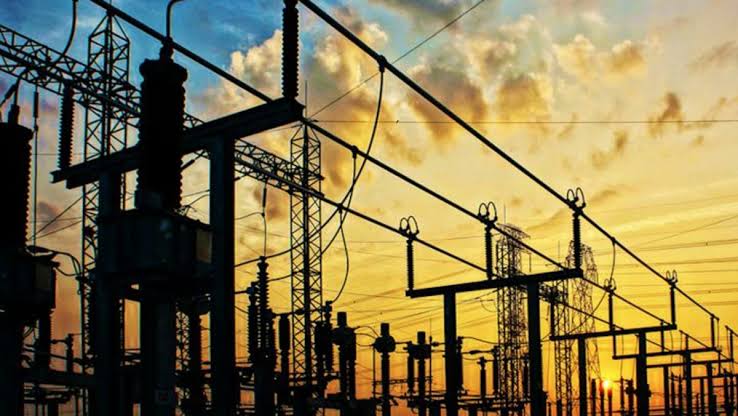
Nigeria’s electricity system depends on three major stages: generation, transmission and distribution. Electricity must first be produced at power stations, transported through transmission lines and then delivered to homes and businesses by distribution companies. A weakness at any stage affects the entire process.
Although Nigeria has several power generation plants, many cannot consistently operate at full capacity because of gas supply constraints, maintenance issues and financial difficulties. Hydroelectric plants also depend on water availability, making their output vulnerable to seasonal changes.
The situation has become more concerning as the dry season approaches. On November 19, electricity generation on the national grid reportedly stood at approximately 3,180 megawatts, with the country’s 11 distribution companies receiving a combined allocation of 2,885MW.
ALSO SEE: Ikeja Electric Blames Grid Shortfall For Poor Supply, But Nigeria’s Electricity Problems Run Deeper
Transmission and distribution remain obstacles to stable electricity in Nigeria
Generating electricity is only part of the challenge. The transmission network must have enough capacity to transport the available power without excessive constraints.
Nigeria’s ageing transmission infrastructure, overloaded substations and limited network capacity have continued to affect electricity delivery. Even when power is generated, weaknesses in the transmission network can prevent it from reaching consumers efficiently.
The distribution stage presents another challenge. Distribution companies must manage available electricity across their networks, while metering gaps, technical losses and inadequate infrastructure affect how power gets to customers.
The financial burden of Nigeria’s electricity crisis
The sector also faces significant financial difficulties. The Federal Government recently disclosed that it had renegotiated outstanding debts owed to power generation companies from about ₦6 trillion to ₦3.3 trillion, with ₦1.23 trillion already paid. The government says it is working towards settling the outstanding balance by 2027.
These debts matter because power generation companies need revenue to maintain their plants and pay for the gas required to produce electricity. Persistent payment challenges can affect the entire electricity supply chain.
In another development, the Nigeria Customs Service began releasing 98 containers of electricity equipment that had been stranded at Nigerian ports for between 14 and 20 years. The equipment includes transformers, cables and other materials intended for electricity infrastructure projects.
What needs to change before Nigeria gets stable electricity?
Addressing the crisis requires more than installing new transformers or increasing generation capacity. Nigeria needs sustained investment in generation, transmission and distribution, reliable gas supply, effective maintenance, improved financial management and accountability across the sector.
The release of stranded equipment and the government’s debt settlement efforts may contribute to improvement, but their impact will depend on how effectively they are implemented.
For households and businesses that continue to spend heavily on alternative power, the minister’s three-to-five-year timeline raises an important question: what measurable improvements will Nigerians experience along the way?
Ultimately, stable electricity in Nigeria cannot be achieved through promises alone. It requires a coordinated and sustained effort to fix the problems across the entire power sector.
READ ALSO: NISO Explains Why Nigeria Is Experiencing Worsening Power Shortages

About The Author