Nigeria is currently experiencing intense heat linked to El Niño conditions, and one less-discussed consequence is the sudden appearance of snakes around and inside compounds.
Here is an explainer of why this is happening and what practical steps households can take to reduce the risk.
El Niño Conditions: Why the Heat Is Driving Snakes Closer to People
When temperatures stay extremely high for days, moisture in the ground drops, which makes the surface bake and harden. Because of this, burrows that normally stay cool enough for snakes become as hot as ovens. 
Under El Niño conditions snakes now start to search for cooler, shaded and sometimes damper spots because their natural shelters have become unbearable and human compounds are cooler.
Hence, the snakes are not trying to “attack” human homes; they only want to survive the heat.
SEE ALSO: El Nino in Nigeria Could Cause Up to 31,400 Deaths: How to Prepare for This Heat Wave
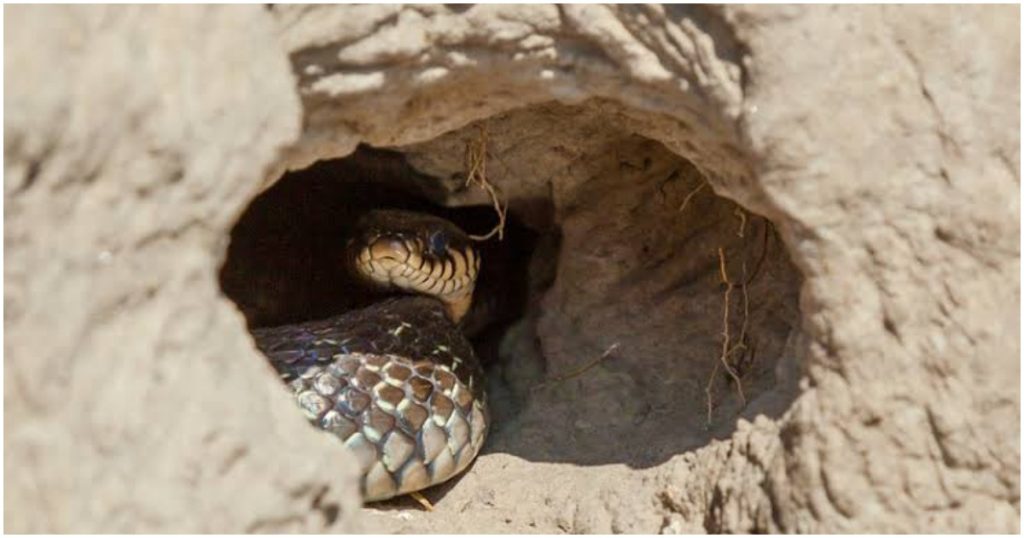
Common Hiding Places for Snakes Around the House in Nigeria
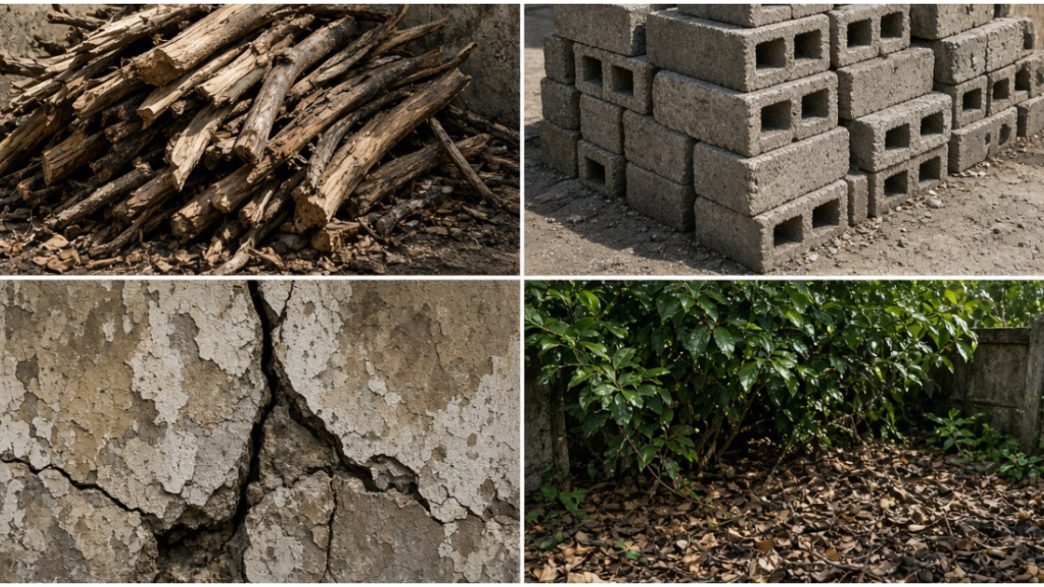
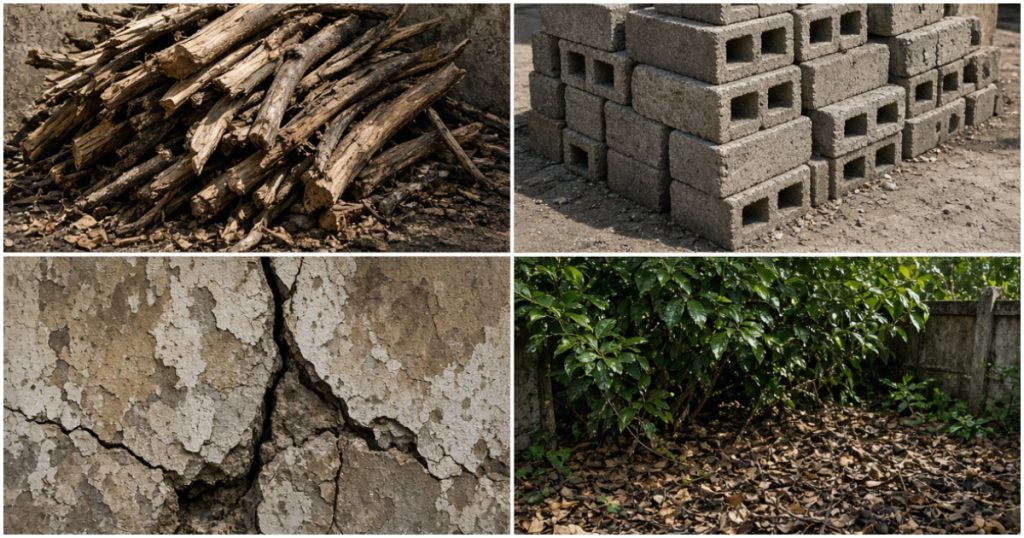
Snakes will use almost any shaded, undisturbed area. They stay in these spots because they offer both shade and cover from predators. The most frequent ones in Nigerian compounds include:
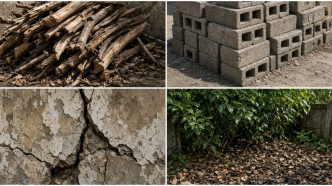
• Stacks of blocks or bricks
• Piles of wood or planks
• Spaces under generator covers
• Accumulated dry leaves, debris, or thick bush close to the building
• Cracks in walls and foundations
Practical Steps to Keep Snakes Away
1. Clear out potential shelters: Move firewood, block piles, and other materials away from the main building. Make sure to store them properly or keep them elevated and neat. Also reduce overgrown vegetation close to the house.
2. Remove what attracts them: Snakes follow food and water. To keep them off your compound, fix leaking taps and pipes. Rats and other rodents are food for snakes; hence, you need to control them because a steady supply of prey will keep the snakes coming back. Also keep refuse bins tightly covered at all times.
3. Block all entry points: Check the walls, foundations, and doors for cracks or gaps and block them. Even small openings can serve as entry points for snakes, especially at night when temperatures drop slightly and they become more active.
4. Maintain a clean, open compound: Regular sweeping and clearing of dry leaves and debris around the compound reduces hiding places and makes it easier to notice any unusual activity.
What to Do If Someone Is Bitten By a Snake According to WHO
These are important first-aid actions that many people get wrong:
• Tying a tourniquet around the affected part
• Cutting the wound or trying to suck out the venom.
According to the National Institutes of Health, these actions can cause tissue damage and worsen venom spread, thereby causing more harm to the victim.
Instead, do the following (according to the World Health Organisation):
- Calm the person, by sitting or lying them down to keep them still and avoid panic.
- Remove rings, bracelets or other constrictive objects from the bitten part. If swelling of the limb occurs these accessories can cause serious injury by constriction.
- Note the time of the bite and, if safe, try to remember the snake’s appearance for the medical team.
- Get help from friends, family or colleagues as quickly as possible.
- Treat all snakebites as potential medical emergencies, even if you think the snake might not be venomous.
- Be aware of the potential for sudden collapse, shock or loss of consciousness; be prepared to resuscitate, and manage the airway, breathing and circulation.
- Give only small sips of water if the person is thirsty.
- Transport the patient to medical care without delay.
In conclusion, most snakes would rather avoid humans. However, many bites happen when people step on them in the dark or try to kill them. The El Niño conditions might draw out snakes but keeping the environment unattractive to them is far safer and more effective than after they are already in the compound.
SEE ALSO: What to Do During Heat Waves: Practical Tips to Stay Safe
Story written by Oluwagbohunmi Bajela, edited by Sola Sanusi.

About The Author