



A search for a better life reportedly took a devastating turn for a Nigerian man in 2022 when he says he endured 10 days without food or water in the Sahara Desert before getting imprisoned in Libya.
The man, identified on X as @Amaddream_, recently shared his experience online, explaining how his attempt to find gold abroad exposed him to an ordeal he has not forgotten.
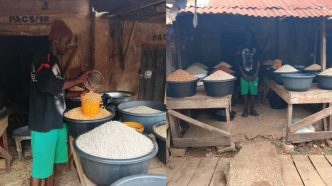
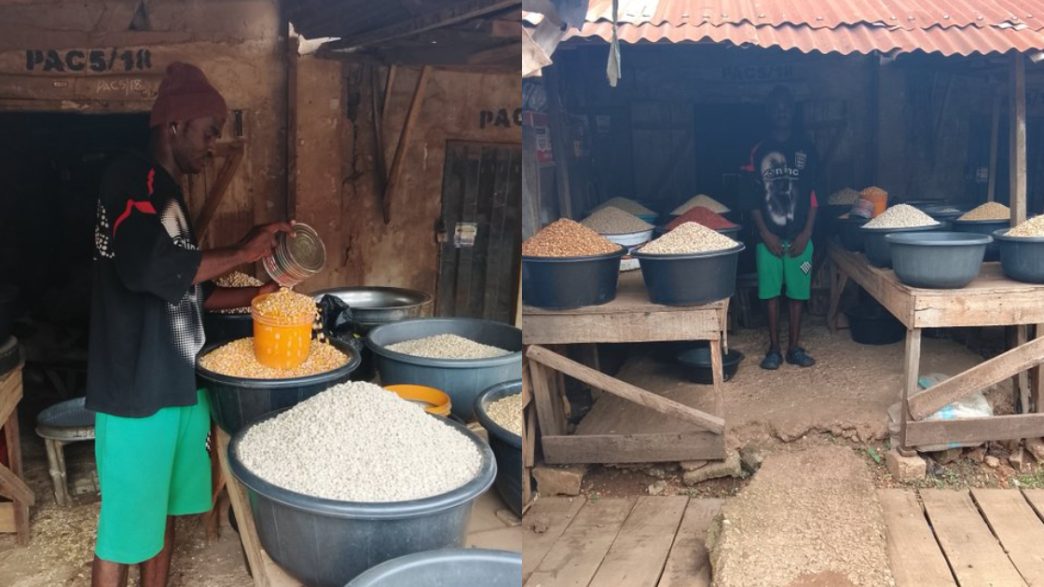
However, his story has taken a different turn since his return to Nigeria. According to his post, he now lives in Enugu State, where he has established a business that reportedly earns him between ₦70,000 and ₦100,000 weekly. 
His account has attracted reactions from Nigerians who expressed sympathy, shared similar experiences and offered encouragement.
“Be wise please,” he advised young people considering dangerous journeys in search of financial opportunities.
How search for better life led Nigerian man to prison in Libya
For many young Nigerians, the desire to escape financial hardship can make opportunities abroad appear worth pursuing, even when the journey involves considerable risks.
In his account, @Amaddream_ said he travelled in search of gold in 2022. However, he offered few details about the people who organised the journey, the circumstances surrounding his detention or how he eventually returned to Nigeria.
SEE ALSO: Abule Egba Well Tragedy: Man Dies Rescuing Toddler, Child’s Body Unrecovered
The circumstances he described are particularly concerning because migrants travelling through North Africa can face exploitation, dangerous desert crossings and detention.
The International Organization for Migration (IOM), in its World Migration Report 2024, documented widespread abuses affecting migrants moving through North Africa. Its findings highlighted the dangers associated with smuggling and trafficking networks, including violence, forced labour and abuse in Libya.
Although the man’s individual account has not been independently verified, the dangers he describes are consistent with risks documented along migration routes through the region.
Nigerian man imprisoned in Libya receives emotional reactions
The comments beneath the post revealed how deeply the man’s experience resonated with other users, including people who said they had experienced similar hardships.
One commenter, EJANLA OF GWAGWALADA, recalled his own experience, writing: “Bro, 2010, I was in that situation, I did 1 month in Libya prison.”
Responding to him, @Amaddream_ thanked him for sharing his experience, adding that some people thought he was lying about his ordeal.
Another user, Mr Toto-chukwu, shared a personal connection to Libya, explaining that he was born there and returned after the war. He also spoke about his mother’s determination to cross the desert repeatedly to give him a better life, saying she had never been imprisoned during those journeys.
The comments highlighted how different migration experiences can unfold, even when people travel through the same region in pursuit of a better future.
Other users expressed sympathy. Mary, replying to the post, wrote, “you don too suffer for this life,” prompting the man to respond, “Guy all my life.”
Ibukun also reflected on the hardships people experience, writing: “Na everyday you dey get different stories. Life don too wolor you serious sheges.”
The man replied that anyone who had endured what he experienced would struggle to survive it.
ALSO READ: Chris Brown Avoids Jail After Receiving Suspended Prison Sentence for Bottle Attack
Enugu Resident Offers to Patronise Libya Returnee’s Business
Beyond the expressions of sympathy, the post also generated interest in the business the man says he has established in Enugu.
A user identified as Enugu last born asked where he operated, writing: “Where in Enugu are you bro? Let me come patronize u.” The man responded that his business was inside New Market in Enugu.
Another commenter, HolaDimeji, asked how much it would cost to establish a similar business. The man replied that the entire setup cost him ₦4.5 million.
The exchange offered a practical dimension to the story, moving the conversation beyond his past suffering to the livelihood he says he has built since returning home. It also showed how a personal account shared online can prompt not only sympathy but potential support for a small business.
From a Libyan prison to building a business in Enugu
Perhaps the most striking part of the Nigerian man’s story is where he says he is today.
After describing his experience in Libya, @Amaddream_ disclosed that he is now in Enugu, where he has established a business for himself.
He also claimed to earn between ₦70,000 and ₦100,000 weekly, suggesting that he has found a way to generate income without repeating the dangerous journey he previously undertook.
His experience also offers a reminder that the search for financial independence does not always require leaving Nigeria. While local businesses face their own challenges, entrepreneurship and vocational skills can provide alternative routes to earning a living.
His reported income should not be interpreted as a guarantee that others will achieve similar results. Rather, it forms part of his personal testimony about rebuilding his life after a difficult experience.
A warning for young Nigerians chasing quick wealth
The man’s appeal to others to “be wise” captures the central message of his experience.
For young Nigerians considering irregular migration, the prospect of earning more money abroad can be attractive. Yet the dangers of desert crossings, trafficking, exploitation and detention deserve serious consideration.
Nigeria has also continued to receive citizens returning from difficult experiences abroad. In its 2024 annual report, the IOM recorded the return of 4,760 stranded Nigerians through its Assisted Voluntary Return and Reintegration programme. Of these, 1,631 returned from Libya.
The programme provides assistance to eligible returnees, with support that can include vocational training, business development and psychosocial services. These interventions recognise that returning home is only one part of the journey. Rebuilding a livelihood and reintegrating into society can also require substantial support.
For @Amaddream_, his account suggests that the journey from hardship to stability has involved a painful detour.
His story is a reminder that the pursuit of a better life should not come at the expense of personal safety. Before accepting promises of wealth abroad, young people need reliable information, legitimate opportunities and a clear understanding of the risks.
Sometimes, the most important decision is not how far to travel in search of a better future, but how to pursue that future without putting one’s life in danger.
READ ALSO: 3-Year-Old Soccer Star Goes Viral After Family Says Police Escorted Them From Field Over His Talent

About The Author