Social media has changed how people present their lives to the world.
A graduation, luxury purchase, birthday gift or carefully edited photograph can become part of an online identity. Thousands of followers may accept that image without questioning what happened behind the scenes.
But sometimes, the story changes. An institution may contradict a claim. An old photograph may resurface. A celebrity may admit that a viral post was part of a publicity stunt. In other cases, two people may give completely different accounts of the same event. 
Not every questionable post proves that someone deliberately deceived the public. The five cases below involve different levels of evidence, from institutional confirmation to public admissions and disputed accounts.
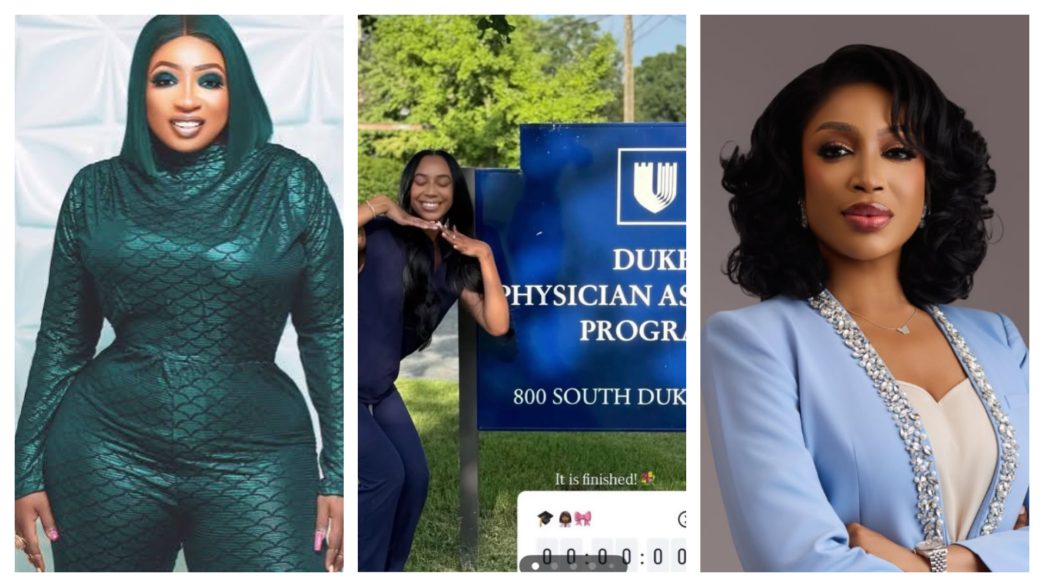
Angel Victoria Murdock and the university story Duke denied
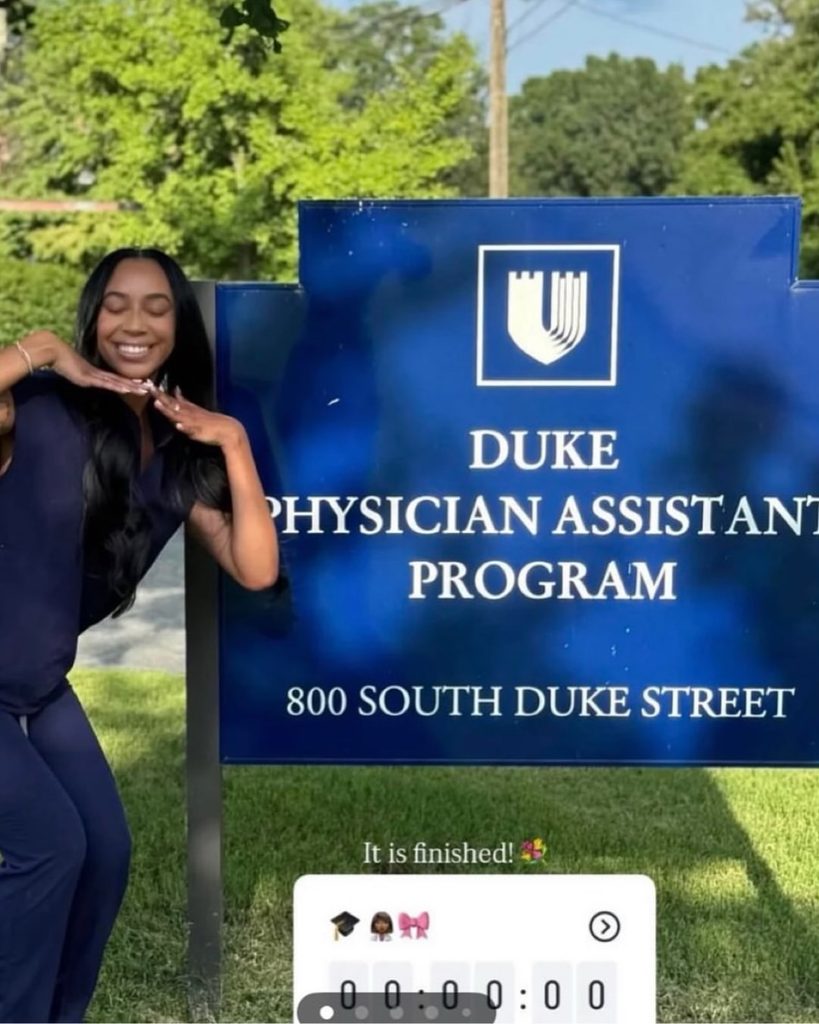
American influencer Angel Victoria Murdock built part of her online image around a supposed academic journey.
For almost two years, she presented herself as a student in Duke University’s Physician Assistant programme. Her content included posts about classes, clinical rotations and graduation.
She also shared photographs that appeared to show her graduating from the programme.
The story came under scrutiny after people connected to the actual Duke programme noticed inconsistencies. Those concerns eventually reached the university.
Duke then confirmed that it had no record of Murdock applying to or attending its Physician Assistant programme. The university had directly contradicted her claim of being a student.
Murdock later deactivated her social media accounts as the controversy grew. Reports have also raised questions about her claims of holding real estate licences in North Carolina and Georgia.
The case shows how long an online identity can survive when an audience accepts the story without checking the source.
Kcee and the dollar photo that became a publicity stunt
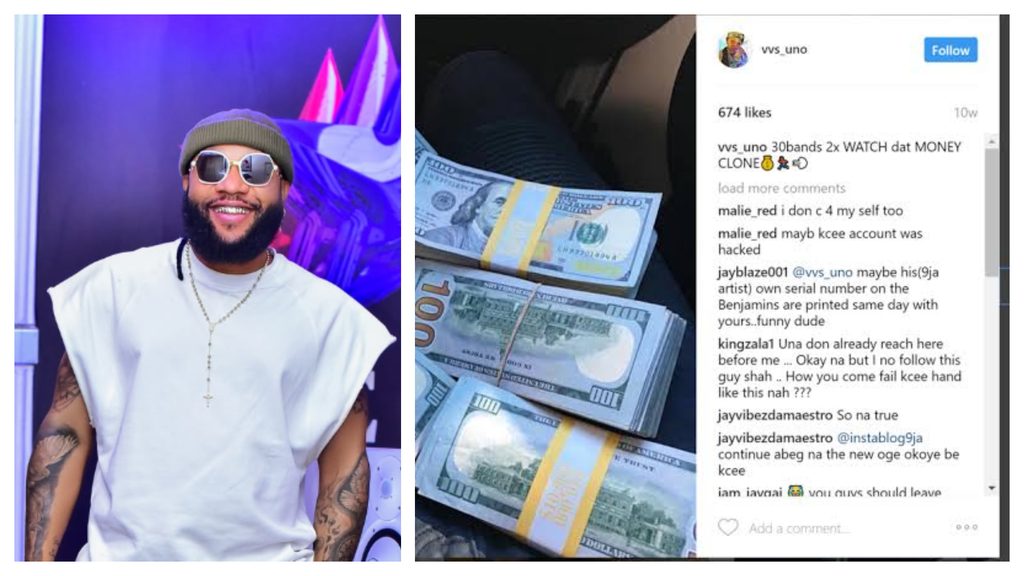
Kcee’s 2017 dollar controversy offers a different kind of lesson.
The singer posted a photograph showing stacks of US dollars on Instagram. The post raised questions after another Instagram user accused him of using the person’s photograph.
Reports noted that the dollar stacks appeared identical. The controversy quickly spread online. At first glance, the post looked like a display of wealth. Kcee later gave a different explanation.
In an interview with Ebuka, he said the image formed part of a strategy to promote his song, “Desire.” He described the post as a stunt designed to create attention around the song.
Kcee was not admitting that the money belonged to him. He was explaining that the image served a promotional purpose.
The episode also shows how easily audiences can mistake entertainment marketing for a glimpse into someone’s private life.
Oge Okoye and the photograph of Kenya Moore’s dogs
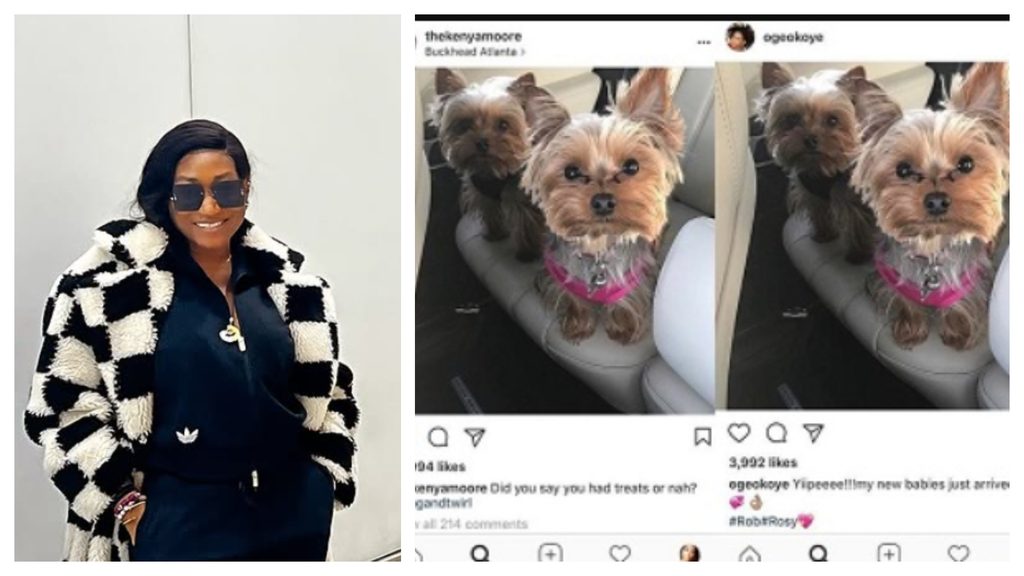
Oge Okoye faced a different social media controversy in 2017.
The actress posted a photograph of two dogs on Instagram. She described them as her new pets and gave them different names.
Social media users soon discovered that the same photograph had appeared on Kenya Moore’s Instagram. Moore is an American reality television personality and former beauty queen. The image was later removed from Okoye’s page with post that she was joking.
The incident became one of Nigeria’s memorable social media controversies at the time. The issue did not require complicated detective work. People could compare the two posts and identify the same dogs.
However, Okoye did not publicly provide a detailed explanation for the post. She later said she had been criticised without people hearing her side and declined to discuss the matter further.
Anita Joseph and Caramel Plug’s AI photo dispute

The debate around Anita Joseph and Caramel Plug shows that social media authenticity has entered a new era.
In July 2026, Caramel Plug accused Anita Joseph of using one of her photographs. She said Anita’s face had been placed over her own in the image.
Caramel shared the original photograph alongside the edited version. The images quickly spread across social media.
Anita later apologised. She said a member of her creative team had used artificial intelligence to create the image. She described the photograph as an AI inspired edit and said the person involved had used Caramel’s image without her knowledge.
Caramel did not accept that explanation. She continued to challenge Anita’s account, keeping the disagreement alive online. The episode raises a wider question.
If artificial intelligence can create convincing images from someone else’s photograph, how much of what audiences see online can they verify?
Diiadem and the ₦5 million birthday gift dispute
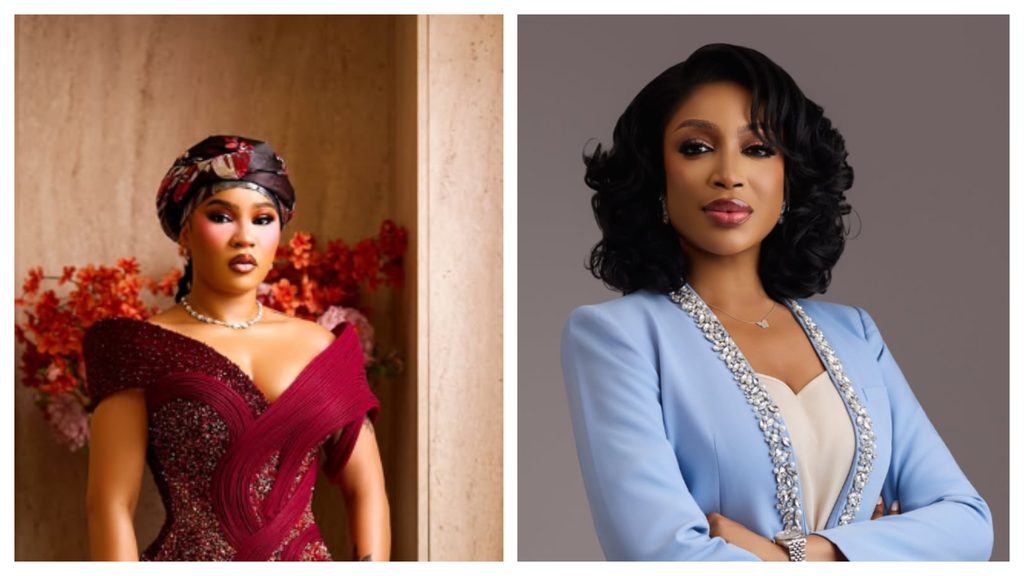
The two beauty entrepreneurs Adeola Diiadem and Dabota Lawson were once close friends. Both also appeared on the third season of The Real Housewives of Lagos.
Their relationship later deteriorated and spilled onto social media. Diiadem brought up a ₦5 million transfer from Dabota. She shared a transaction receipt dated January 12, 2026.
The transaction showed a transfer from an account bearing Dabota Lawson’s name. It also carried the narration “Happy birthday in advance.”
Diiadem said she initially treated the money as a birthday gift until she was told to return it. According to her account, she refunded the ₦5 million and shared evidence of the repayment. She claimed that Dabota said that it’s called, ‘girls’ game.’
But Dabota gave a different account.
She said she had spent more than ₦5 million at Diiadem’s birthday celebration. She also said other people contributed money and souvenirs to the event.
Dabota challenged Diiadem to explain what she believed she had done wrong. That means the ₦5 million episode cannot fairly be described as proof that either woman created a false lifestyle.
ALSO SEE: Diiadem, Dabota Lawson Wash Dirty Linen in Public Over Friendship Fallout
When does presentation become deception?
These five cases are not identical.
Duke directly disputed Angel Murdock’s claim of attending its physician assistant programme. Kcee later described his dollar photograph as a publicity stunt.
The Oge Okoye case involved a photograph that had already appeared on Kenya Moore’s social media. Anita Joseph’s controversy involved an AI edited image and conflicting explanations.
The Diiadem and Dabota dispute remains a disagreement between two people who have presented different accounts of the same events.
The bigger issue is how social media encourages people to build carefully controlled versions of themselves.
A person can show wealth without showing debt. They can show a graduation photograph without showing the full academic journey. They can post a beautiful photograph without explaining how it was created.The problem begins when the public image depends on facts that do not exist.
That is where verification becomes important.
For audiences, the lesson is not to distrust everything they see online. It is to recognise that social media is a presentation platform first.
READ ALSO: Friendship in Crisis? Fans Notice Diiadem’s Silence on Dabota’s Birthday

About The Author