


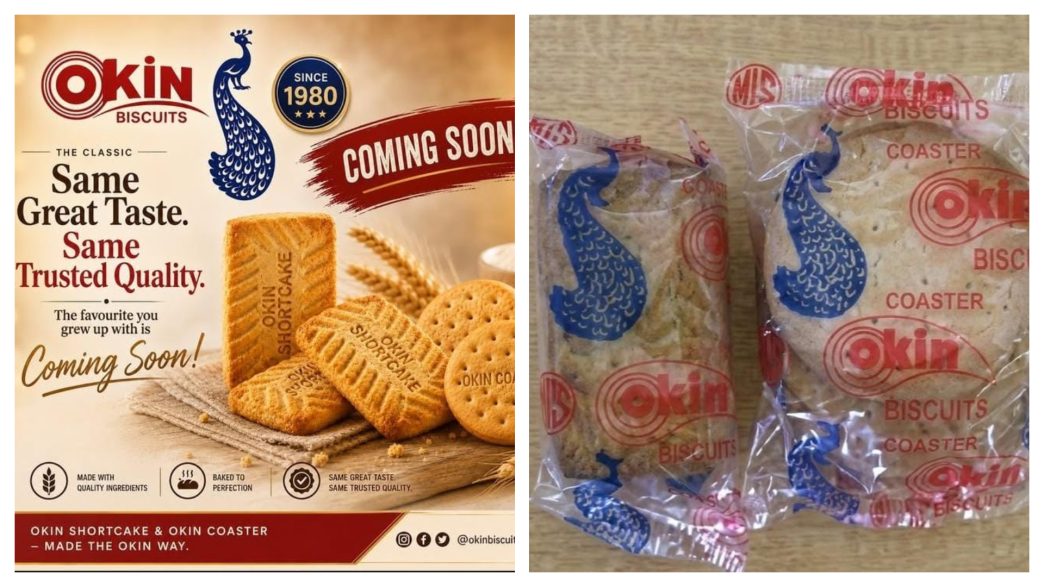
For years, one question has echoed from homes across Nigeria: “When is Okin Shortcake coming back?”
If you grew up in the 70s, 80s, or 90s, you already understand why that question matters. Okin Biscuits was not just a snack. It was lunchbox gold, a reward for good grades, and the treat you begged for during church programmes.
Now, the wait is finally over. 
How It All Started in Offa
In the heart of Kwara State lies Offa; a quiet town that became a household name because of one brand.

Okin Biscuit Industry was established on the 2nd of June, 1980 by the late Chief Emmanuel Olatunji Adesoye with a single mission: to provide Nigerians with affordable, high-quality biscuits and generate employment for the people of Offa and beyond.
Okin Biscuits Limited was one of the largest indigenous biscuit producers in West Africa at its peak. The factory operated around the clock, making shortbread and crackers, milk biscuits, cabin biscuits and so on. Thousands of workers from Kwara and neighbouring states found livelihoods there. Migrants also came, all chasing opportunity.
The colourful packaging and that distinctive buttery flavour made Okin a childhood staple. You would find them in schools and roadside shops. To many Nigerians, Okin was not just food; it was nostalgia wrapped in a wrapper.
But like many Nigerian manufacturers, Okin could not escape the tough realities of doing business in the country. Inconsistent government policies, inadequate power supply, poor infrastructure, and a flood of cheaper imported biscuits all took their toll.
By the mid-2000s, production slowed dramatically. Eventually, the machines went quiet. The closure left a gap both in Offa and in the hearts of Nigerians who had grown up with the brand.
For years, the factory sat idle. The buildings aged, and equipment gathered dust.
SEE ALSO: Founder’s Son Speaks About Rumoured Return of Okin Biscuits
The Comeback Is Real
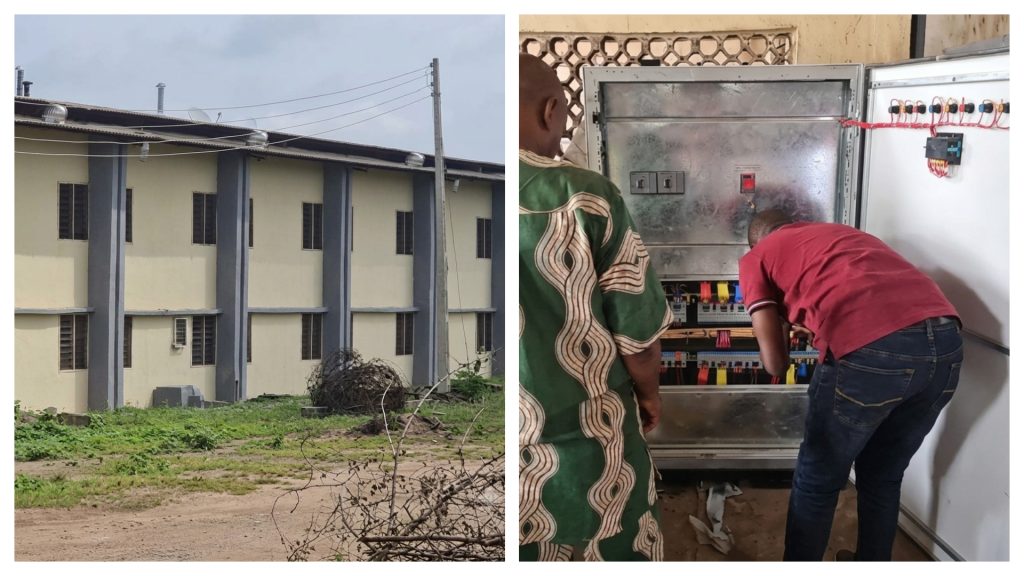
Right now, the Offa factory is undergoing a major refurbishment. Production lines that went silent years ago are gradually being brought back to life. Fittings are being replaced, the surrounding areas are being restored, and there is renewed energy on the ground.
This is more than just fixing a factory; it is about reviving a piece of Nigerian childhood.
SEE ALSO: Inside Chicken Republic’s Strategy for Growth, Quality, and Affordable Meals
Why the Return Matters
For consumers, Okin’s revival is an opportunity to reconnect with memories and pass that flavour down to the next generation; to give children today the same biscuit that defined many 90s childhoods.
For the company, it is a lesson in brand value. A great product is not built on taste alone but on trust and emotional connection. The plan is simple: deliver the biscuit exactly as people remember it, then pair it with a modern story that speaks to today’s market.
Because in the end, the return of Okin Shortcake is bigger than just a product launch. It is a cultural moment.
Getting the recipe right means the biscuit will taste as it did decades ago, and getting the rebranding right means it will speak the language of nostalgia and modern relevance at the same time.
If Okin hits that balance, it will not just be selling biscuits, but also memories, trust, continuity, and proof that some flavours truly never fade.

About The Author