In Lagos, for millions of daily commuters, transportation represents one of the largest and most variable household costs.
As of mid-2026, after an adjustment in March for public buses, transport expenses reflect ongoing pressures from fuel prices (US-Iran), inflation, and operational challenges. Many residents now spend a substantial portion of their income on getting around the city.
This is a clear overview of Lagos transport fares in 2026, including the main transport options and their estimated costs to help you make informed choices. 
SEE ALSO: How Much Does It Cost to Feed Family of 4 in Lagos? (2026)
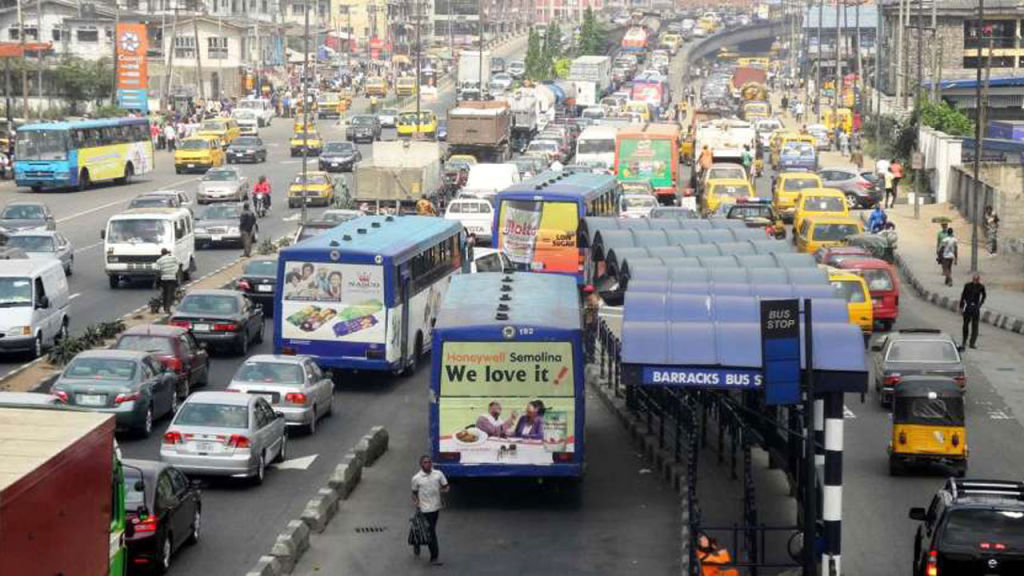
1. Public Buses (BRT and Standard Routes)
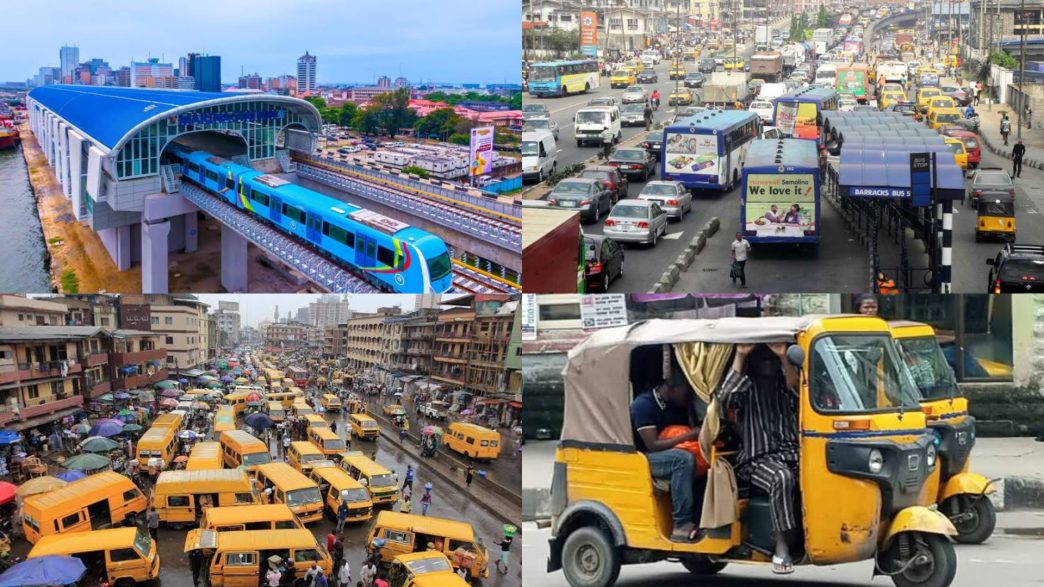
Public buses under the Lagos Bus Reform Initiative (BRI), managed by the Lagos Metropolitan Area Transport Authority (LAMATA), are the most affordable and structured option for many commuters.
In early March 2026, fares increased by 13% to help operators cope with rising costs, particularly for diesel and maintenance.
Typical fares after the adjustment include:
- Oshodi to Abule Egba: ₦680
- Ikeja to Obalende: ₦720
- Berger to Ajah: ₦1,710
- Oshodi to Ajah: ₦1,320
- Ikorodu to Obalende: ₦970
- Various shorter routes: ₦450–₦900
Danfos (yellow minibuses) offer more flexibility. However, they have unregulated and fluctuating fares, usually ranging from ₦200 to ₦1,200. These fares depend on distance, time, weather, and demand. Peak hours (close of business) and rainy days often see sharp increases.
Keke Maruwa/ NAPEP (auto-rickshaw) also offers flexibility, but is not used on highways. Like Danfo buses, they have unregulated and fluctuating fares depending on distance, time, weather and demand. Fares typically range from ₦100 to ₦800
For regular commuters relying on the BRT, their monthly costs generally fall between ₦15,000 and ₦30,000. The BRT provides better reliability and safety than informal options, but overcrowding and route limitations remain barriers.
2. Ride-Hailing Services (Uber, Bolt, and Alternatives)
Ride-hailing apps like Uber and Bolt are popular, despite higher costs, for those seeking comfort, speed, and doorstep service. The fares also fluctuate based on distance, traffic, time of day, and surge pricing during peak periods or bad weather.
Approximate costs in Lagos (2026):
- Short trips (5–8 km, e.g., Yaba to Ikeja): ₦5,000–₦8,000
- Medium trips (10–15 km): ₦7,000–₦10,000
- Longer commutes (e.g., Ikeja to Victoria Island or Surulere to Lekki): ₦10,000–₦20,000+ during surges
Daily round trips can easily exceed ₦10,000, which makes ride-hailing unsustainable for many average earners. However, some apps offer more budget-friendly alternatives with lower base rates.
SEE ALSO: Nigerian Govt Launches FreeTV Nationwide: How to Watch
3. Okada (Commercial Motorcycle)
Okadas cut through traffic efficiently, making them a go-to for last-mile connections or urgent trips. However, because they carry notable safety risks, they have been banned from major routes. In most parts of Lagos, you will only find them on inner streets.
Typical short trips using an Okada now range from ₦500 to ₦1,200 or more, depending on distance and conditions. Commuters often combine okadas with other modes for an optimal cost and time balance.
4. Ferries and Water Transport
Lagos’ extensive waterways offer a refreshing alternative that bypasses road congestion entirely. Operated by the Lagos Ferry Services Company and private providers, water transport is particularly useful for island-mainland routes.
Common fares:
- Short crossings: ₦300–₦1,000
- Longer routes (e.g., Ikorodu to Island areas): ₦1,000–₦3,500
Ferries combine reasonable pricing with faster travel times, though schedules and weather dependency can limit flexibility. For many commuters, integrating ferry rides with buses or rideshares creates efficient hybrid journeys.
5. Rail Transport (Blue and Red Lines)
The Lagos Rail Mass Transit system, operated by LAMATA, offers a faster and more reliable alternative to road travel. The Blue Line (Marina–Mile 2) costs between ₦200 and ₦750 depending on distance, while the Red Line (Agbado–Oyingbo) costs up to ₦1,000, with shorter trips starting from ₦500.
With subsidised fares, frequent services, and reduced travel times, the rail system is especially useful for long mainland-island commutes. Although coverage is still limited and trains can be crowded during peak periods, ongoing expansion is expected to improve access across Lagos.
6. Taxis
The traditional yellow and black taxis require negotiation and usually cost more than ride-hailing apps.
Factors Driving Costs
Several interconnected factors keep transport expenses high. Lagos transport fares in 2026 are the way it is due to persistent inflation, fluctuating fuel prices, Naira devaluation, and rising operational costs for operators, all of which contribute to regular fare adjustments.
Demand surges during peak hours, rain, or special events further amplify prices across all modes. With Lagos’ massive population placing constant pressure on infrastructure, these dynamics continue to shape the commuting experience.
Transportation in Lagos remains a major financial commitment, but understanding the options and planning allows you to navigate the city more affordably.

About The Author