


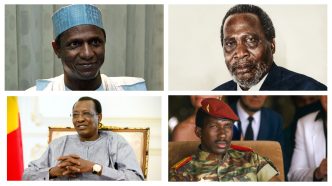
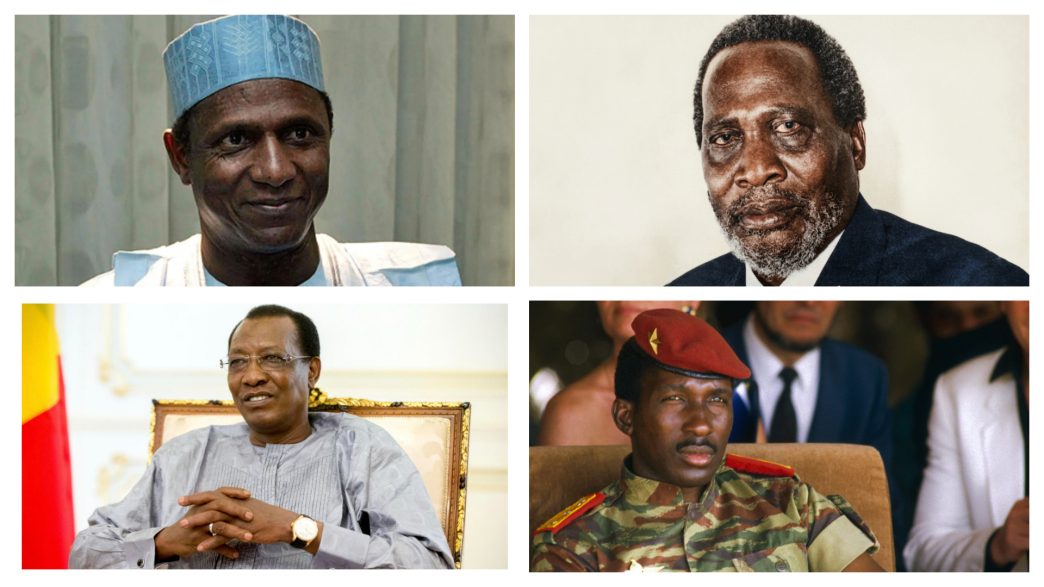
The presidency is the highest office in any African nation. For some, it became a deathbed.
Between illness, assassination, and the chaos of civil war, dozens of African leaders have died while still serving as president. Some ruled for decades; others lasted only months. All of them left their countries in mourning, crisis, or both.
Here is every documented case, told according to how each died. 
Deaths from Natural Causes and Illness
1. Umaru Musa Yar’Adua: Nigeria, May 2010
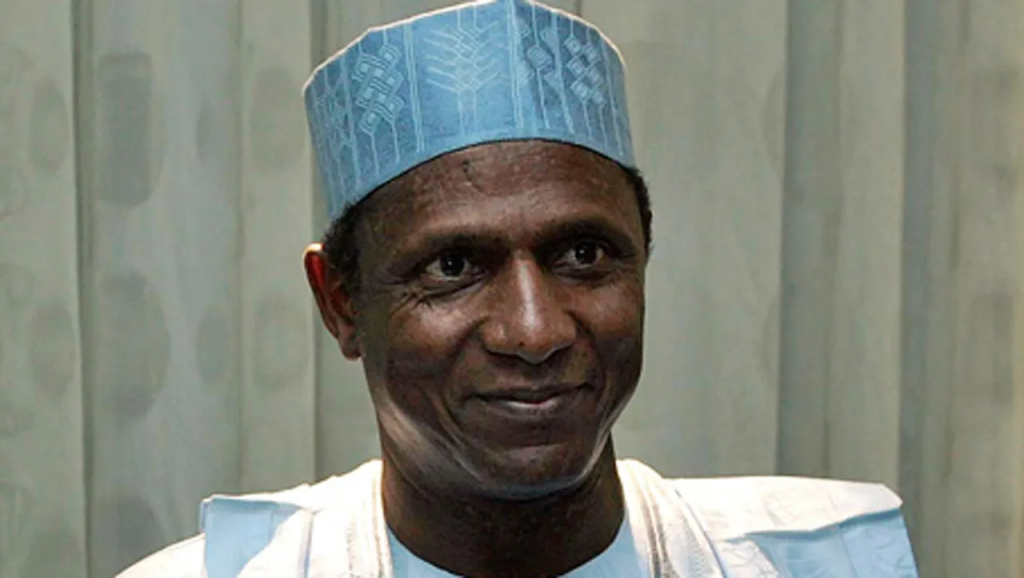
For Nigerians, this one remains personal. Yar’Adua came to power in 2007 with a reputation for integrity rare in Nigerian politics. He was quiet, principled, and genuinely committed to the Niger Delta peace process, which remains one of the most successful security interventions in the country’s post-independence history. His health deteriorated steadily in office, and he was flown to Saudi Arabia for treatment in late 2009. He never fully returned to power.
He died in May 2010, having spent his final months in office in a state of medical absence that plunged Nigeria into a constitutional crisis over who was actually governing the country. He was 58 years old. Many Nigerians still wonder what he might have achieved with his full time.
2. John Atta Mills: Ghana, July 2012
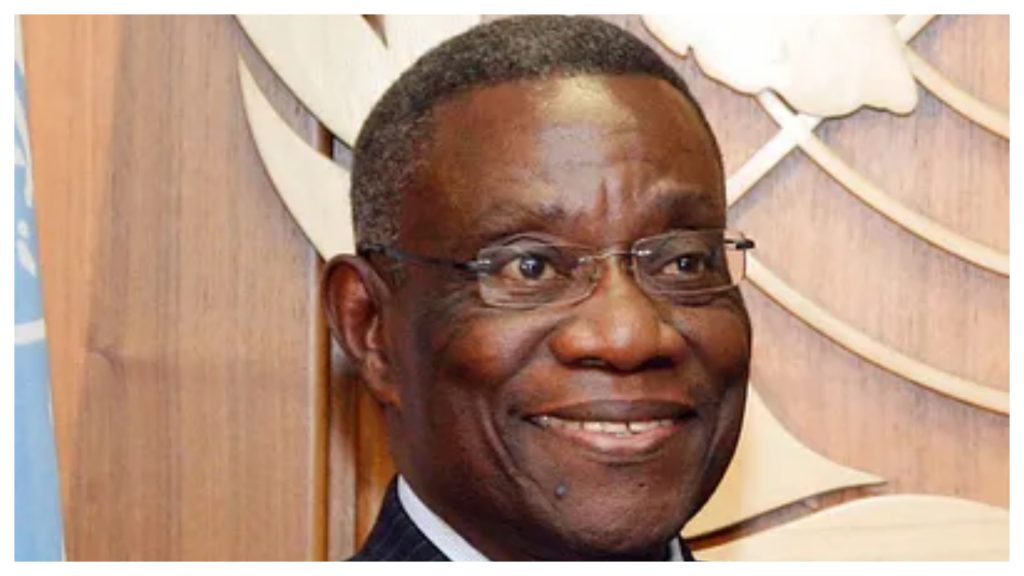
Mills was a professor, a former vice president, and a deeply religious man who had run for president three times before finally winning in 2008. He died in office in July 2012 from a combination of a stroke and throat cancer, just months before his term was due to end. Ghana’s handling of the transition was widely praised: Vice President John Mahama was sworn in within hours, and the election that followed proceeded peacefully. It remains a model of democratic continuity.
3. Bingu wa Mutharika: Malawi, April 2012
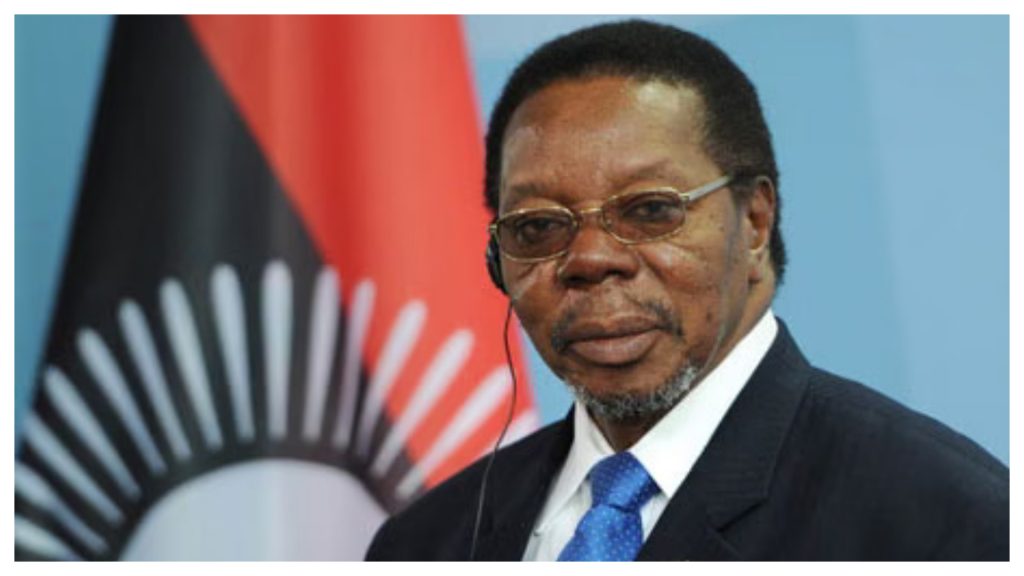
Mutharika died of a cardiac arrest in April 2012. What followed was politically messy; his party allegedly attempted to bypass the constitutional succession order before Vice President Joyce Banda, a political rival, was eventually sworn in as Africa’s second female head of state. His death inadvertently became a turning point for Malawian democracy.
4. Malam Bacai Sanhá: Guinea-Bissau, January 2012
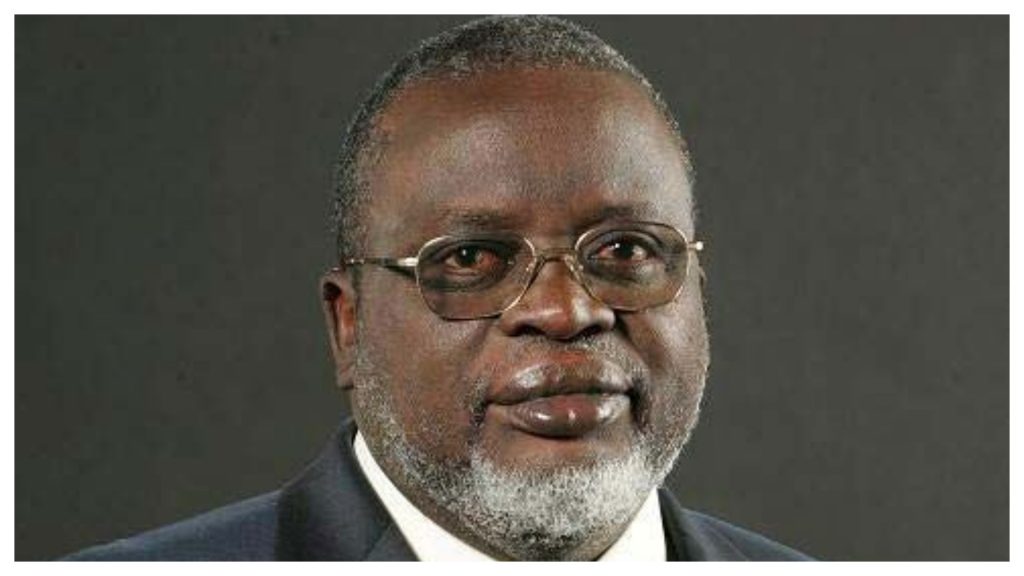
Sanhá had been battling health problems for much of his presidency. He died in Paris in January 2012 from long-standing diabetes complications. Guinea-Bissau, already one of Africa’s most politically unstable nations, went through yet another turbulent transition in the months that followed.
5. Levy Mwanawasa: Zambia, August 2008
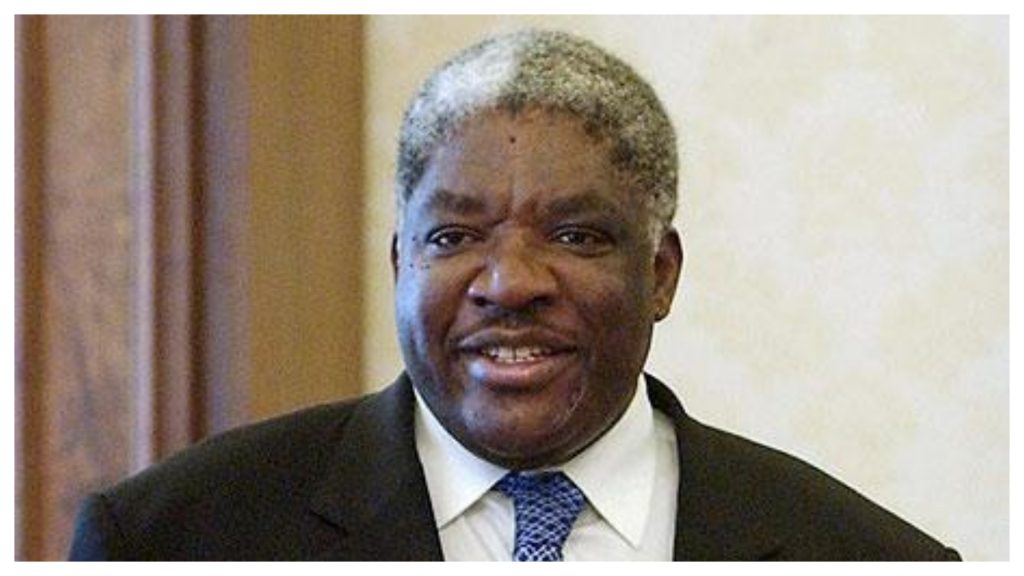
Mwanawasa had built a reputation as one of Africa’s more determined anti-corruption crusaders during his time in office. He suffered a stroke while attending an African Union summit in Egypt in June 2008 and was transferred to a clinic in France, where he died in August of that year. His anti-corruption legacy outlasted him, though the momentum he built did not always survive his successors.
6. Omar Bongo: Gabon, June 2009
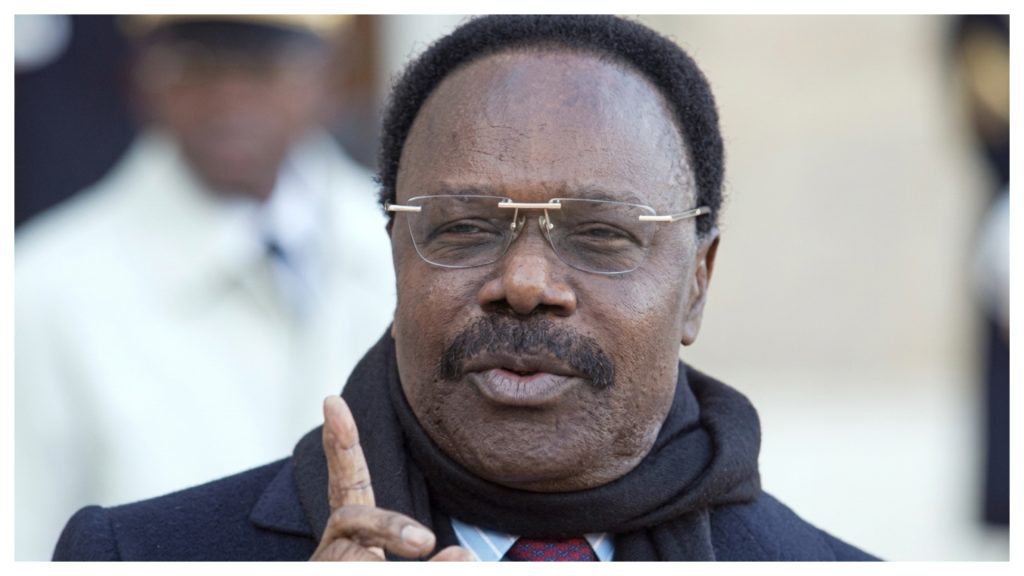
Bongo had ruled Gabon for 41 years—one of the longest tenures of any leader in modern African history. He died in a Spanish clinic in June 2009 after a battle with colon cancer. He was 73. His son, Ali Bongo, succeeded him, continuing what became a family dynasty that only ended in a military coup in 2023.
7. Lansana Conté: Guinea, December 2008
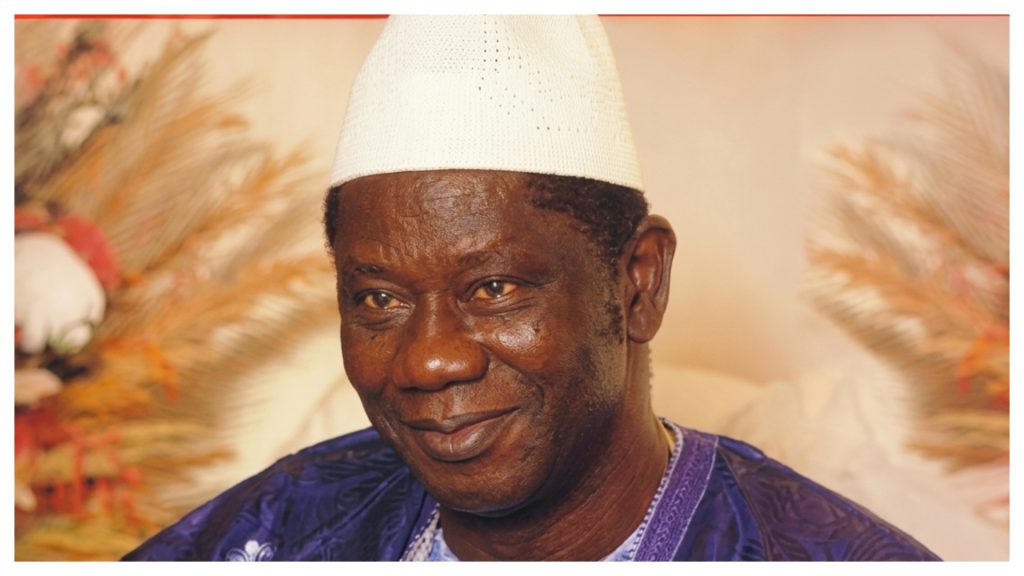
Conté had ruled Guinea with an iron fist since 1984. He spent his final years visibly ill; his public appearances became increasingly rare, and when he did appear, the deterioration was evident. He died in December 2008 from complications of diabetes and heart disease. Within hours of his death, the military staged a coup, seizing power before any civilian transition could occur.
8. Michael Sata: Zambia, October 2014
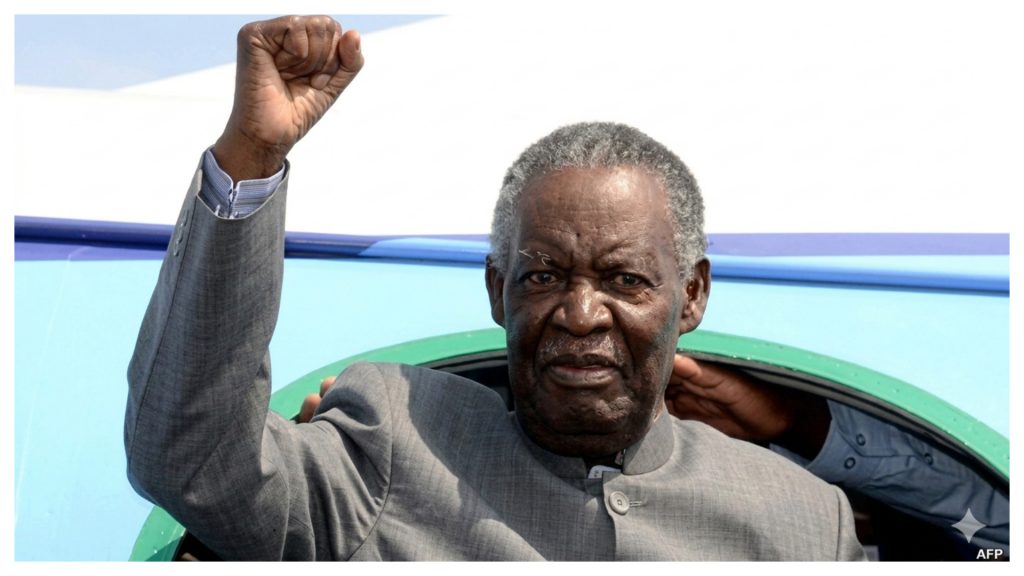
Known as “King Cobra” for his sharp political style, Sata had finally won the presidency in 2011 after years in the opposition. He died in October 2014 at a London hospital after an undisclosed illness that his government had been carefully managing out of public view. He was 77. His death triggered a by-election that brought Edgar Lungu to power.
9. John Pombe Magufuli: Tanzania, March 2021
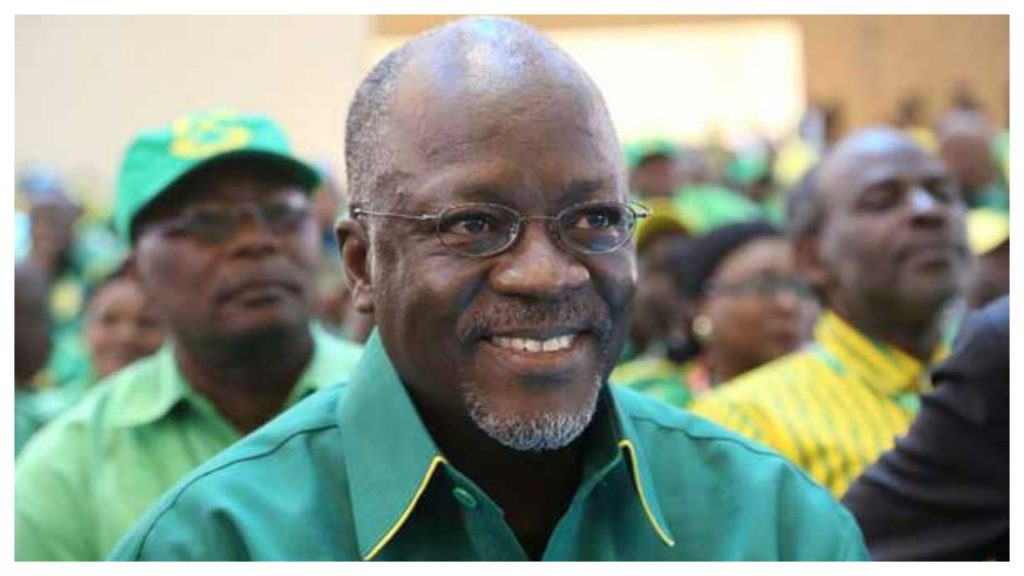
Magufuli’s death was, in many ways, the most complicated on this list. He had spent much of the COVID-19 pandemic denying the virus’s severity, declaring Tanzania COVID-free through prayer, and dismissing vaccines publicly. When the government announced he had died in March 2021 from heart complications, significant sections of the public and regional leaders privately suspected COVID-19 had claimed the president who had loudly dismissed it. The official cause remains heart disease. He was 61.
10. Pierre Nkurunziza: Burundi, June 2020
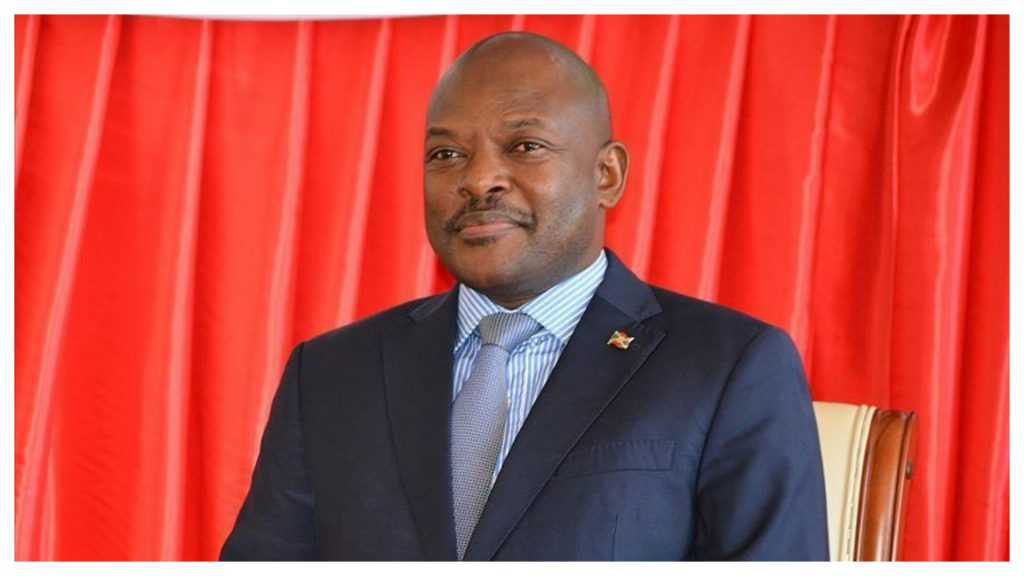
Nkurunziza had controversially pushed through a constitutional change to allow himself a third term in 2015, triggering a violent political crisis that left hundreds dead. He then shocked the country by announcing he would not seek a fourth term and died in June 2020—officially from a cardiac arrest—just weeks before his handpicked successor was set to take over. He was 55. Speculation about the actual cause of death never fully went away.
11. Gnassingbé Eyadéma: Togo, February 2005
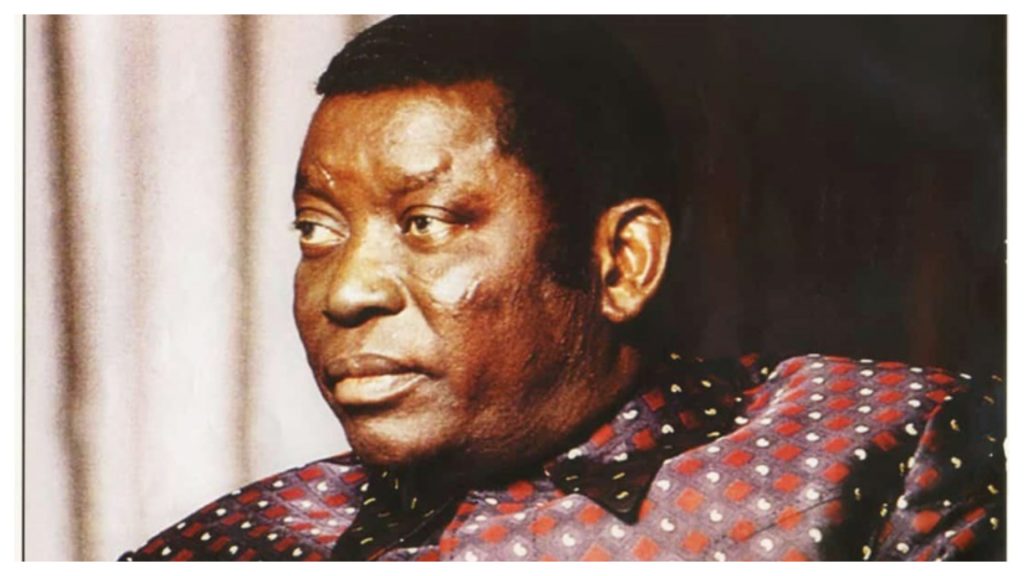
Eyadéma had been in power since 1967, making him one of Africa’s longest-serving dictators. He died of a heart attack in February 2005 while being airlifted to Europe for medical treatment. The military immediately installed his son, Faure Gnassingbé, as president, triggering regional and international condemnation before a managed election eventually formalised the succession.
12. Jomo Kenyatta: Kenya, August 1978
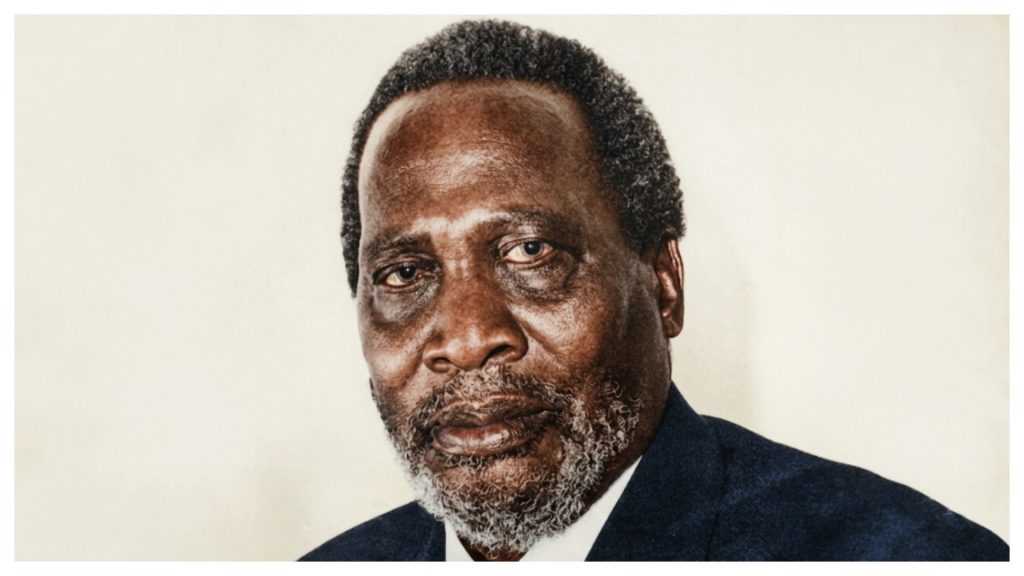
The father of Kenyan independence and the country’s first president, Kenyatta died of natural causes in August 1978. He was widely believed to be in his late 80s, though his exact birth date was never confirmed. His death ended an era and brought Daniel arap Moi to power—a transition that took Kenya in a significantly more authoritarian direction.
SEE ALSO: Jonathan or Tinubu? Who Presided Over Nigeria’s Worst Security Crisis?
Assassinations and Deaths in Conflict
13. Thomas Sankara: Burkina Faso, October 1987
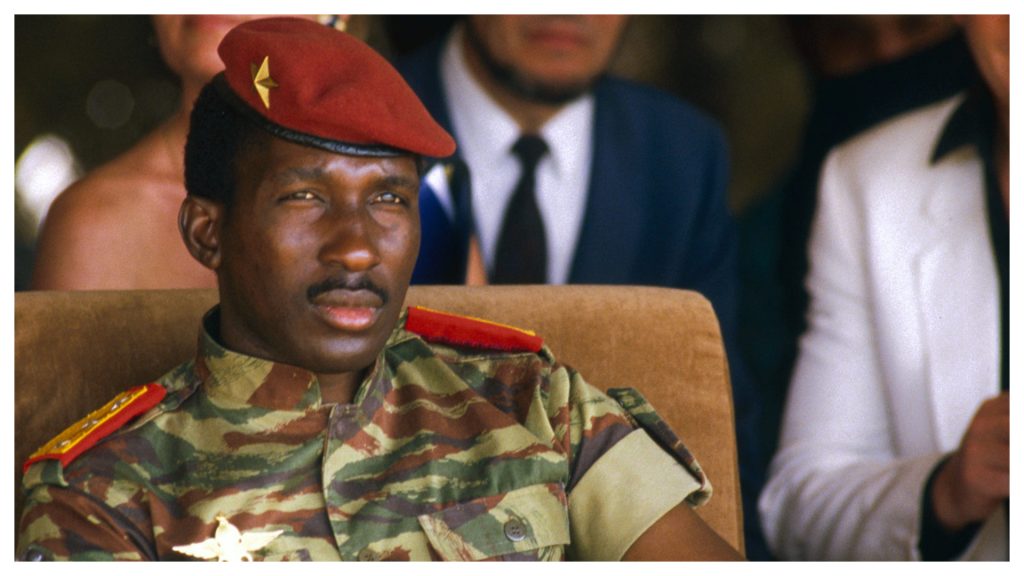
Sankara was 37 years old when he was killed. In four years as president, he had renamed his country from Upper Volta to Burkina Faso, launched mass literacy campaigns, planted millions of trees to fight desertification, vaccinated two and a half million children in a single week, and refused to use air conditioning in his office because ordinary Burkinabé could not afford it. He was shot dead in a coup led by his close friend and former comrade, Blaise Compaoré. He has since become one of Africa’s most cited revolutionary figures—the continent’s Che Guevara. His murder remains one of the most mourned political killings in African history.
14. Samuel K. Doe: Liberia, September 1990
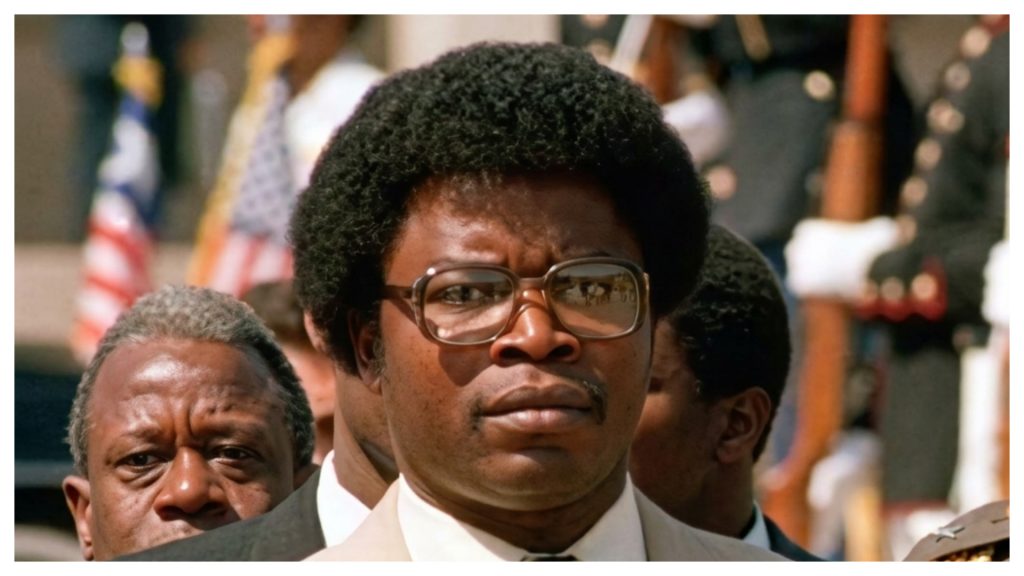
Doe had seized power in a coup in 1980, killing his predecessor. A decade later, during the First Liberian Civil War, he was captured by rebel forces loyal to Prince Johnson. He was tortured and killed in September 1990 in scenes that were filmed and later circulated. His death did not end the war; rather, it deepened it. Liberia would not find peace for another 13 years.
15. Ibrahim Baré Maïnassara: Niger, April 1999
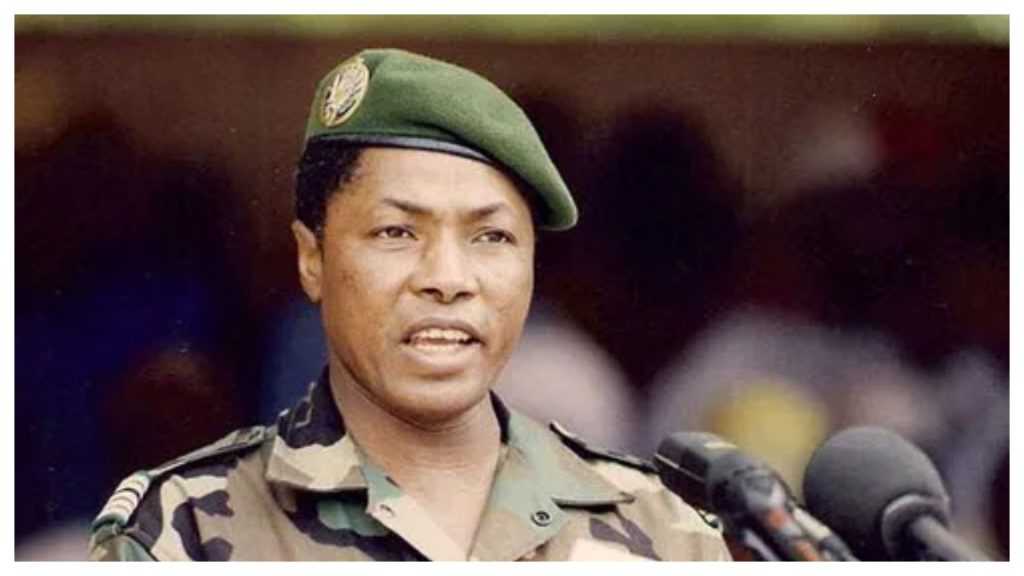
Maïnassara had seized power in a coup in 1996, then staged an election widely considered fraudulent to legitimise his rule. In April 1999, he was assassinated at the Niamey airport by members of his own presidential guard. The killing was officially described as an accident, but nobody believed that.
16. Laurent-Désiré Kabila: DR Congo, January 2001
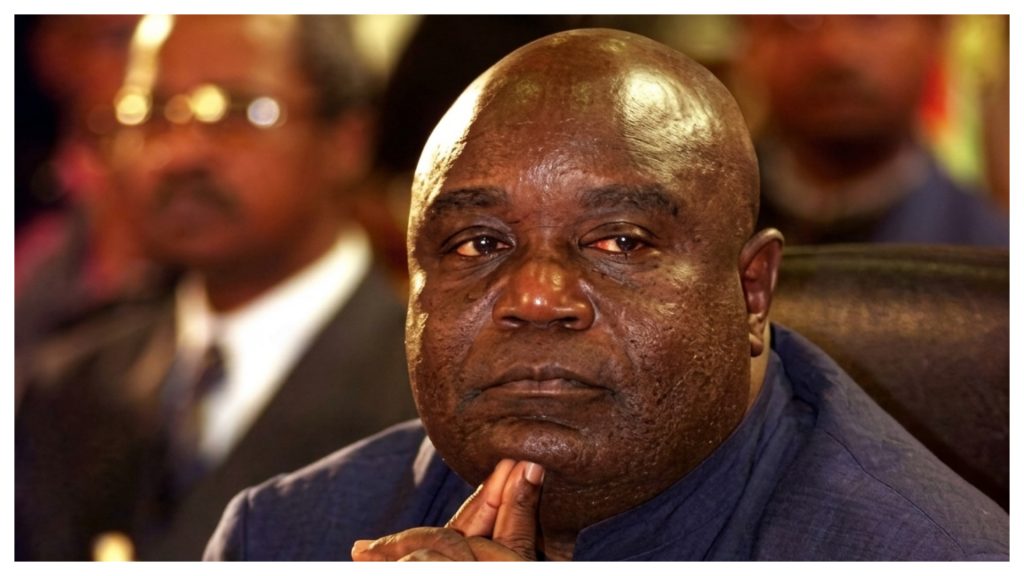
Kabila had overthrown Mobutu Sese Seko in 1997 with considerable regional support, renaming Zaire as the Democratic Republic of Congo. By 2001, that support had collapsed, and the country was deep in a catastrophic regional war. He was shot dead in his office in January 2001 by one of his bodyguards. His son, Joseph Kabila, succeeded him and ruled for the next 18 years.
17. João Bernardo Vieira: Guinea-Bissau, March 2009
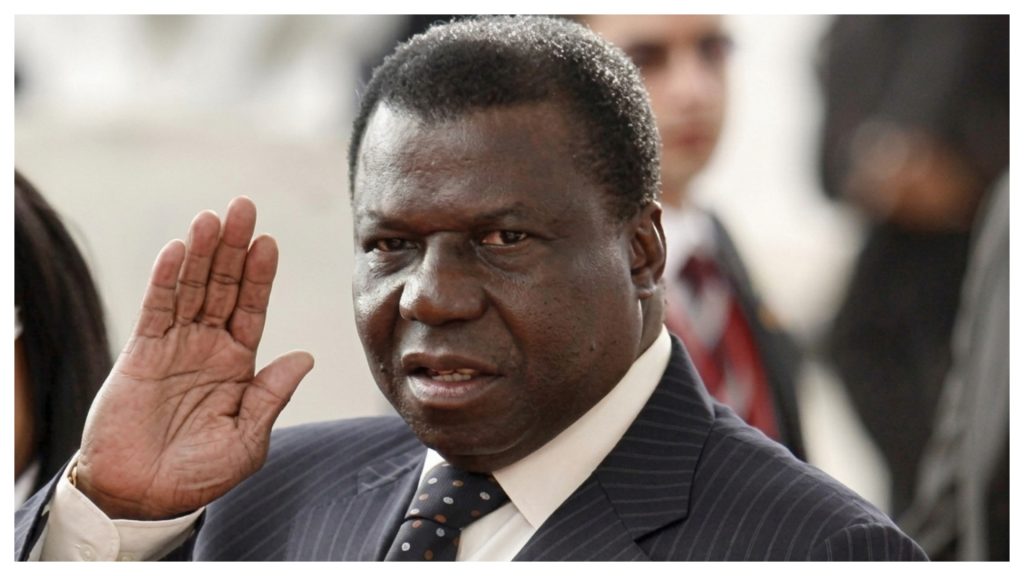
Vieira had a political career defined by survival; he had already survived one coup attempt and years of instability. In March 2009, soldiers stormed his residence and killed him, reportedly in retaliation for the assassination of the army chief of staff hours earlier. Guinea-Bissau has had more coups and coup attempts than almost any other country on the continent.
18. Idriss Déby: Chad, April 2021
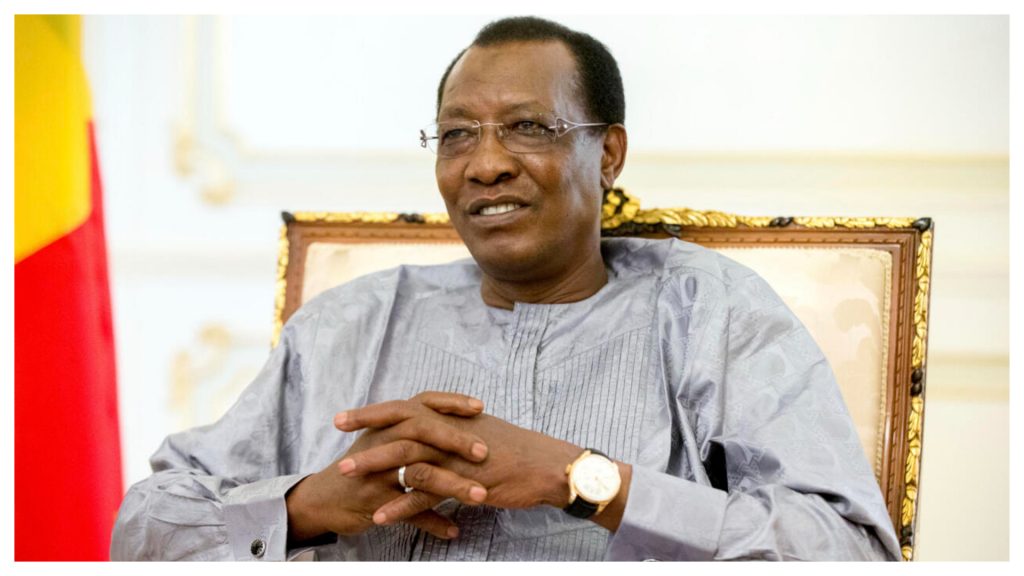
This is the most recent and, in some ways, most dramatic death on the list. Déby had ruled Chad for 30 years. On April 19, 2021, he won re-election for a sixth consecutive term. The following day, he was reported dead, killed on the front lines while visiting troops fighting a rebel offensive in the north. He had reportedly insisted on going to the front personally. He was 68. His son, Mahamat Idriss Déby, immediately assumed power, turning a military loss into a dynastic transfer that the international community ultimately accepted.
SEE ALSO: 65 Cars for the First Lady, Zero Rescue for 46 Kidnapped Citizens
What This List Tells Us
Many African presidents have died while still in office since 1978. Some ruled for decades and died of old age; others were gunned down in their palaces. A few were tortured to death on camera.
The office of the presidency in Africa has never been a safe job. Power attracts enemies, power attracts sickness, and power attracts the kind of stress that stops hearts.
Idriss Déby won re-election on Monday and died on Wednesday. Samuel Doe was president one moment and being filmed as a corpse the next. Thomas Sankara was shot by the friend he trusted most.
The throne is not comfortable. Sometimes, it is a grave.

About The Author