





In today’s fast-moving digital world, scams have become more sophisticated. From fake job offers in Lagos to romance scams targeted at young professionals in Nairobi, no one is completely immune. The fact is, scammers thrive on urgency, ignorance, and trust.
Avoiding scams isn’t just about being careful; it’s about being informed, alert, and sometimes a little sceptical. However, a little awareness can save you a lot of money, stress, and embarrassment.
Here’s what to look out for and how to stay ahead. 
1. If It Sounds Too Good, It Probably Is
Whether it’s an ‘invest-50k-to-get-500k-in-one-week’ or a job offer that requires zero experience but promises a huge salary, scams often attract you with unrealistic rewards.
What to do:
It can be exciting, but wait. Pause before you act. Research the offer, ask questions. If the questions are being avoided or vague, run!
2. Urgency Is a Big Red Banner
Scammers know how to feed on anxiety. They create panic, so you find it difficult to think clearly.
“Act now or lose this opportunity!”
“Send the money today, or your account will be blocked!”
These are examples of statements they make use of.
What to do:
Calm down. No legitimate organisation will pressure you to make instant decisions. Also, try to call or verify through official channels before acting.
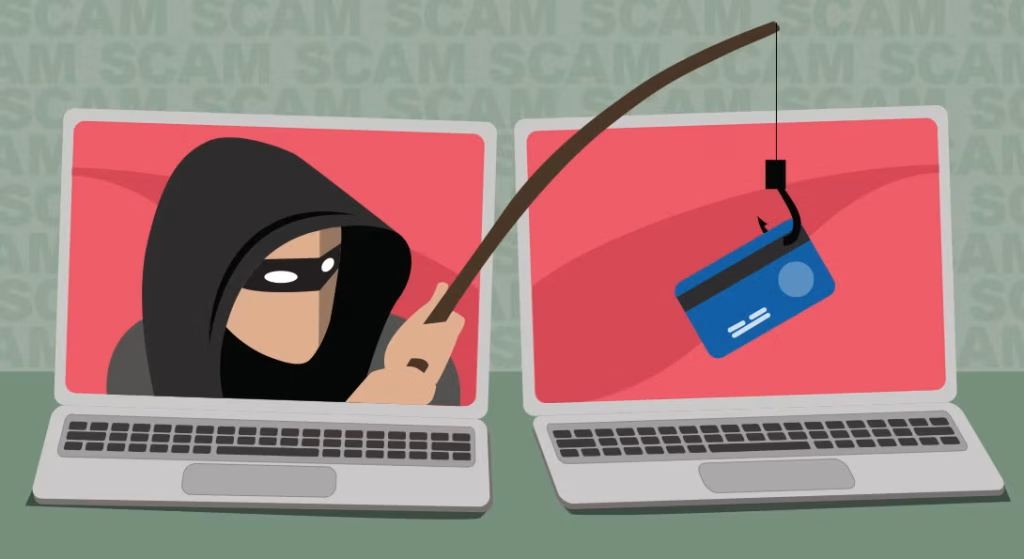
3. Verify Before You Trust
In Africa, scams often come disguised as bank alerts, government messages, giveaways, NGO or scholarship offers, etc. Many have fallen and are still falling for this bait.
What to do:
Double-check the phone numbers, emails, and social media handles. Ask questions. You can even visit their official websites instead of clicking random links.
SEE ALSO: Chike Alleges $20,000 Scam by a Woman: Who Exactly is Chioma Nneoma Ochibili?
4. Never Share Sensitive Information
No bank, employer, or legitimate business will ask you for your PIN, Bank Verification Number, one-time password, or ATM card details. If they do, then they are not legitimate. With your PIN, BVN, OTP or ATM card details, scammers can access your accounts.
What to do:
Treat your personal data like a treasure. If someone asks for it, that’s your cue to walk away.
5. Social Media Is Not Always Reality
Scammers now use interestingly polished social media pages with fake followers, fake testimonials, and even stolen photos to appear legitimate.
What to do:
Check how long the account has existed. Accounts don’t just blow up; growth is gradual on social media. Look for inconsistencies in posts and comments.
6. Trust Your Instincts
When you do fact checks, everything may look right, but your intuition tells you something is off. That feeling matters. Many times, your instinct isn’t lying to you.
What to do:
Don’t ignore your gut. Take a break and revisit the situation later. While you wait, ask a trusted, smarter friend for a second opinion.
7. Stay Updated
Finally, change is constant even in the scam quarters. Scam tactics evolve quickly. Follow news on emerging scam trends. What worked five years ago is different from today’s methods.

About The Author