



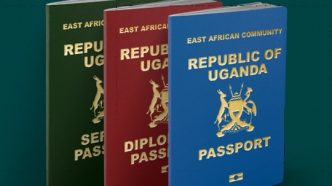
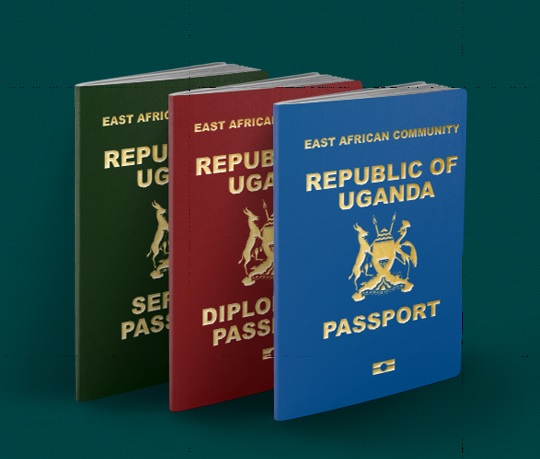
Uganda grants visa-free entry to 40 countries and territories, including 21 African nations, in a move aimed at strengthening tourism, trade and regional cooperation.
The policy, announced by the Uganda Ministry of Internal Affairs and implemented by the Directorate of Citizenship and Immigration Control, allows travellers from the listed countries below to enter Uganda without obtaining a visa before arrival.
The initiative forms part of Uganda’s broader strategy to make travel easier across the continent while encouraging economic partnerships and cultural exchange. 
The new arrangement also supports regional integration efforts within the East African Community (EAC). Countries in the bloc have been working towards freer movement of people, goods and services as part of wider economic cooperation.
Countries That Are Now Visa-Free To Uganda
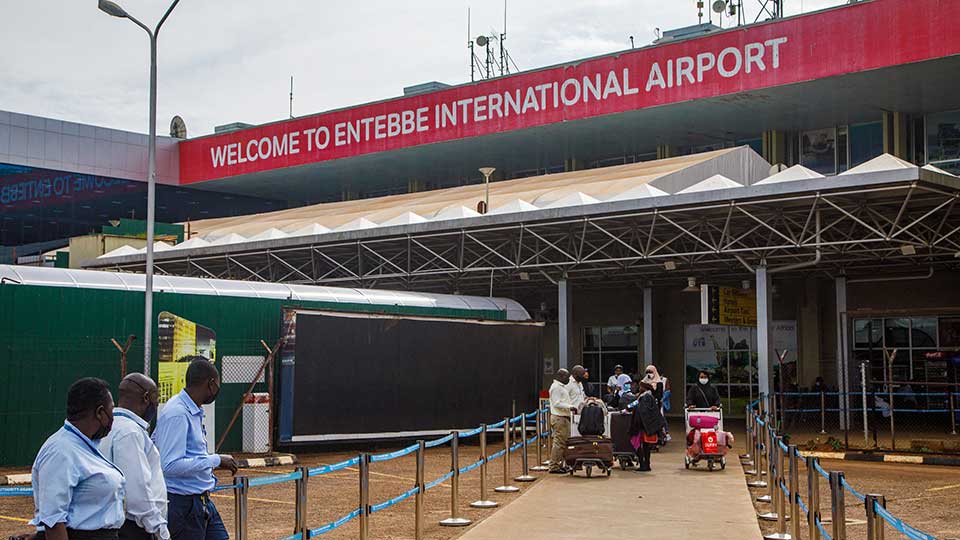
While countries like Nigeria and South Africa are absent, the list of African countries whose citizens can now enter Uganda without a visa includes:
- Botswana
- Burundi
- Comoros
- Democratic Republic of the Congo
- Eritrea
- The Gambia
- Ghana
- Kenya
- Lesotho
- Madagascar
- Malawi
- Mauritius
- Mozambique
- Rwanda
- Seychelles
- Sierra Leone
- South Sudan
- Eswatini
- Tanzania
- Zambia
- Zimbabwe
SEE ALSO: 5 African Countries That Are Visa-Free For All Africans
Beyond Africa, travellers from 19 additional countries and territories will also benefit from visa-free access.
Here is the list of countries and territories arranged numerically:
- Antigua and Barbuda
- The Bahamas
- Barbados
- Belize
- Cyprus
- Fiji
- Grenada
- Ireland
- Jamaica
- Malaysia
- Malta
- Singapore
- The Solomon Islands
- St. Vincent and the Grenadines
- Tonga
- Trinidad and Tobago
- The United Arab Emirates
- Hong Kong
Uganda’s decision reflects a growing trend across Africa as governments adopt more open visa policies to support economic growth and regional connectivity. Countries such as Kenya and Rwanda have already introduced simplified entry systems and electronic travel authorisation processes to make travel easier.
Analysts believe policies like these play an important role in advancing the goals of the African Continental Free Trade Area (AfCFTA), which seeks to improve trade and movement across the continent. By reducing bureaucratic barriers, African nations hope to build stronger business networks, encourage investment and create a more integrated and competitive regional economy.

About The Author