


The FIFA World Cup is often described as football’s grandest stage, a tournament where dreams are realised and national pride is put on display before a global audience. For most players, simply making it to the World Cup is the culmination of years of sacrifice, hard work, and determination.
For a select few, however, the journey is an even more special one. They will not only represent their countries at the tournament but also share the experience with a brother who has walked the same path, kicked the same ball during childhood, and nurtured the same dream.
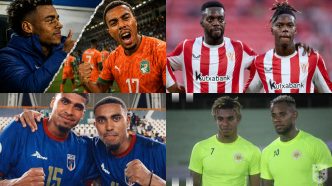
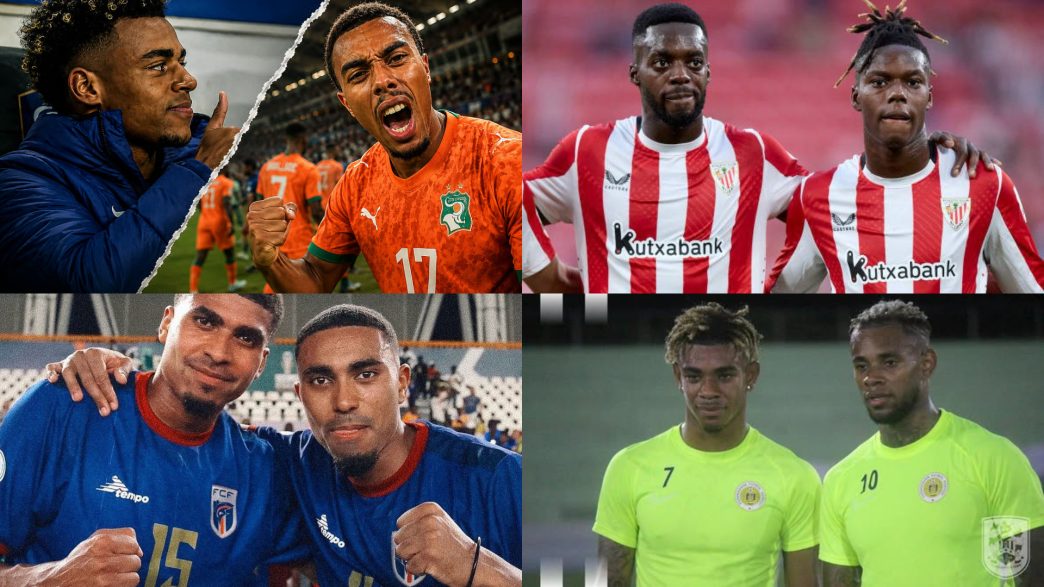
From France to Ghana, Cape Verde, and Spain, several footballing siblings are expected to feature at the 2026 FIFA World Cup, proving that talent sometimes runs in families. 
Cape Verde’s Dutch-Born Brothers: Laros and Deroy Duarte
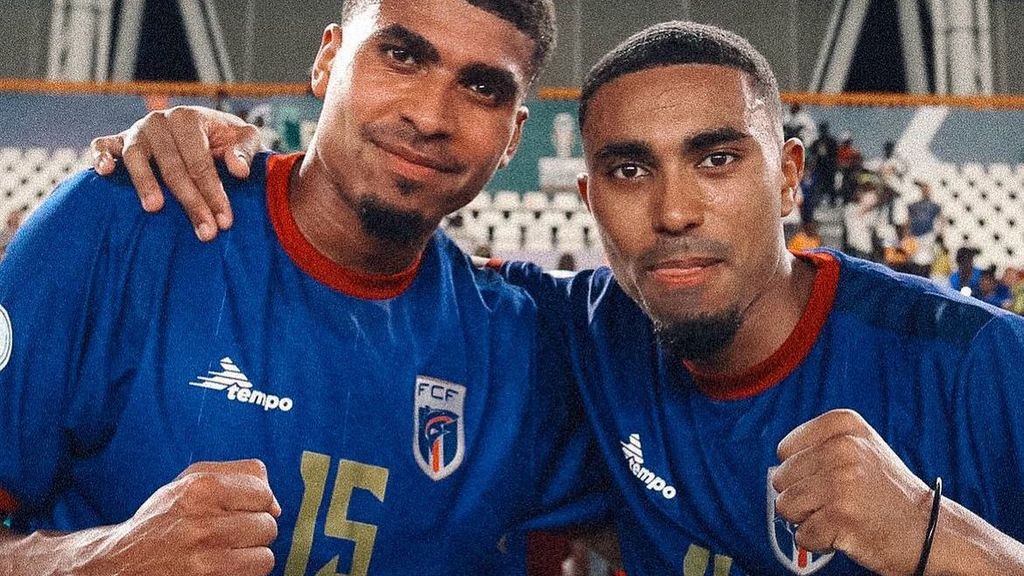
Laros and Deroy Duarte have taken a unique path to the World Cup. Born and raised in the Netherlands, the brothers chose to represent Cape Verde, the homeland of their family. Their decision reflects the increasingly global nature of football, where players often embrace both their place of birth and their ancestral roots.
The duo played important roles in helping Cape Verde qualify for the World Cup and will now have the opportunity to represent the island nation on football’s biggest stage. Their journey demonstrates how family heritage can influence some of the biggest decisions in a player’s career.
France’s Defensive Siblings: Theo and Lucas Hernandez
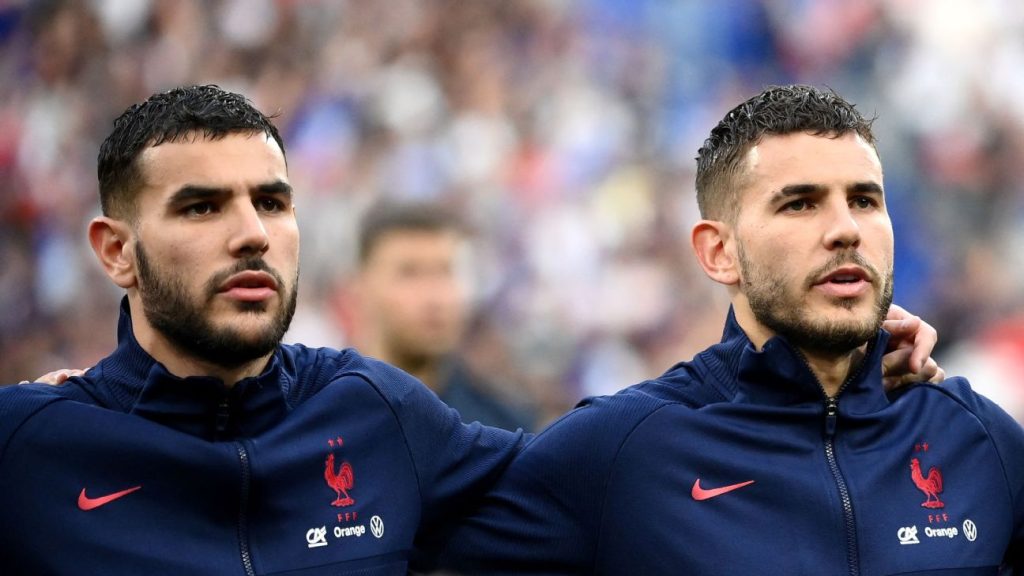
France’s squad could once again feature brothers Theo and Lucas Hernandez, two players who have become synonymous with versatility, resilience, and consistency. Lucas, the elder of the pair, has been a key figure in France’s defense for years, while Theo has established himself as one of the most dynamic full-backs in world football.
Together, they have experienced the highs and lows of elite football, representing their country at major tournaments and competing at the highest level of European club football. Their presence serves as a reminder that football success is often built on family foundations, where brothers push one another to improve and grow.
SEE ALSO: 2026 World Cup Without Nigeria? Counting the Cost
Leading Curacao’s Historic Adventure: Leandro and Juninho Bacuna
Few sibling stories are as closely tied to a nation’s football rise as that of the Bacuna brothers. They are part of the Curacao squad that made history by qualifying for the World Cup for the first time. Leandro, the team’s captain and one of its most experienced players, has been a key figure in the country’s remarkable ascent. Juninho has also played an important role in the team’s success. For the Bacuna brothers, the World Cup is more than a personal achievement; it is an opportunity to help a small Caribbean nation write one of the tournament’s most inspiring stories.
ALSO READ: How US Treated Foreign Players Ahead of the 2026 World Cup
Brothers Divided by Flags: Nico Williams (Spain) and Inaki Williams (Ghana)
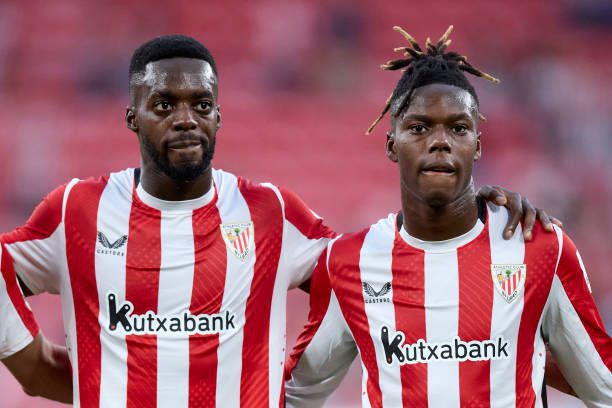
Perhaps no sibling story at the World Cup is more compelling than that of Nico and Inaki Williams. Born into the same family and raised together, the brothers will represent different nations on football’s biggest stage. Nico has become one of Spain’s most exciting attacking talents, dazzling supporters with his pace and creativity. He is expected to be available for Spain despite injury concerns before the tournament.
Inaki, meanwhile, chose to represent Ghana, embracing his family’s roots and becoming an important figure for the Black Stars.
Their story highlights the increasingly global nature of modern football, where identity, heritage, and personal choice can shape international careers in different ways. Despite wearing different colors, the Williams brothers remain united by family bonds that transcend football rivalries.
Desire Doue (France) and Guela Doue (Ivory Coast): Brothers, Different Flags
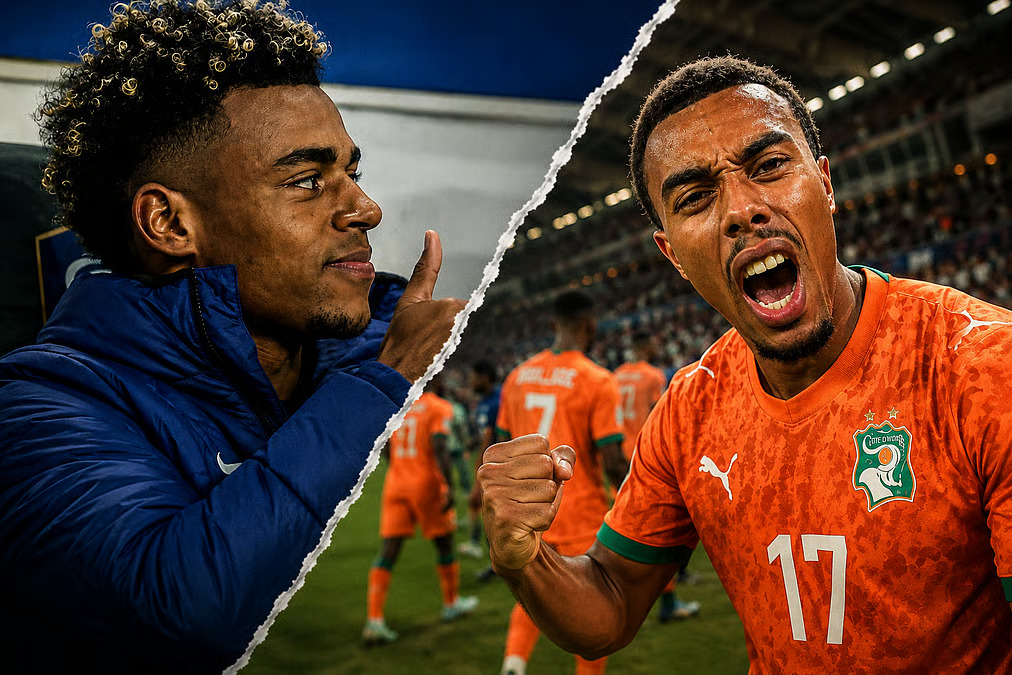
Perhaps no sibling story captures the complexity of modern football better than that of Desire and Guela Doue. Born in France to a French mother and an Ivorian father, the brothers chose different international paths. Desire represents France, while Guela wears the colors of Cote d’Ivoire. Despite their different allegiances, the bond between them remains unshaken. Recently, Guela scored for Cote d’Ivoire in a warm-up match against France, with television cameras catching Desire smiling proudly from the French bench. It was a moment that perfectly illustrated how family can transcend sporting rivalry.
John Souttar (Scotland) and Harry Souttar (Australia): Brothers on Opposite Sides
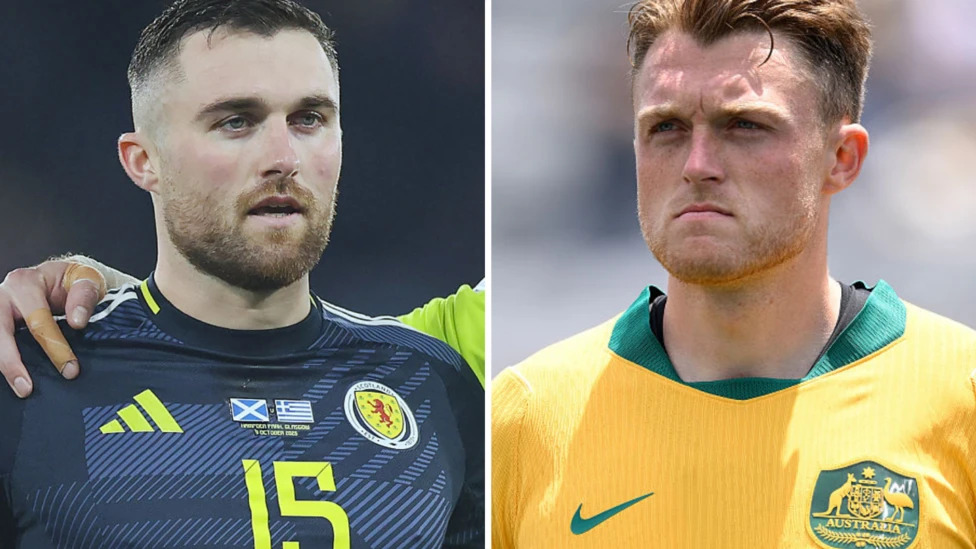
The Souttar brothers provide another fascinating World Cup narrative. Born in Scotland, the brothers took different international routes, thanks to their family’s Australian heritage. John represents Scotland, while Harry lines up for Australia. Their choices mean that although they share the same upbringing, they now carry the hopes of different footballing nations. Their story highlights how international football increasingly reflects the interconnected nature of modern families and migration.
Brian Brobbey (Netherlands) and Derrick Luckassen (Ghana): Half-Brothers, One Dream
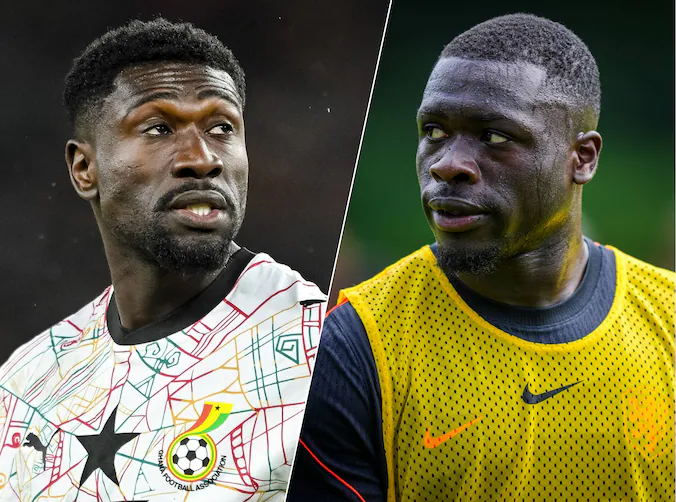
Brian and Derrick are brothers who have different fathers. In many ways, football is the family business. Derrick’s twin brother, Kevin Brobbey (also known as Kevin Luckassen in some football records), is a professional footballer, while another brother, Samuel Brobbey, has also played competitively.
Brian, the younger brother of the two, emerged through Dutch football and established himself as a powerful striker. Derrick took a different route. A versatile defender, he represented the Netherlands at the youth level before accepting a call-up from Ghana in 2026. He was added to Ghana’s World Cup squad as an injury replacement and will now represent the Black Stars at the tournament.
Brian and Derrick may represent different countries, but they share a common ambition. Brobbey will represent the Netherlands, while Luckassen has joined Ghana’s World Cup squad. Their presence at the tournament points to the growing number of family connections at this year’s tournament. Their story is a reminder that while football may divide players by nationality, family ties often remain stronger than any international boundary. reuters.com
More Than A Game
The World Cup is filled with stories of ambition, sacrifice, and national pride. It will always be about competition, glory, and national pride. Yet, the stories of these brothers add another layer to the tournament’s appeal.
Behind the packed stadiums, roaring crowds, and intense rivalries are families who nurtured dreams, encouraged talent, and watched children grow into international footballers. For Laros and Deroy, Theo and Lucas, Leandro and Juninho, Nico and Inaki, Desire and Guela Doue, John and Harry Souttar, and Brian Brobbey and Derrick Luckassen, the 2026 World Cup is more than a battle for football’s greatest prize. It is also an opportunity to share a once-in-a-lifetime experience with the people who knew them long before the world did—the brothers who have been part of the journey from the very beginning.

About The Author