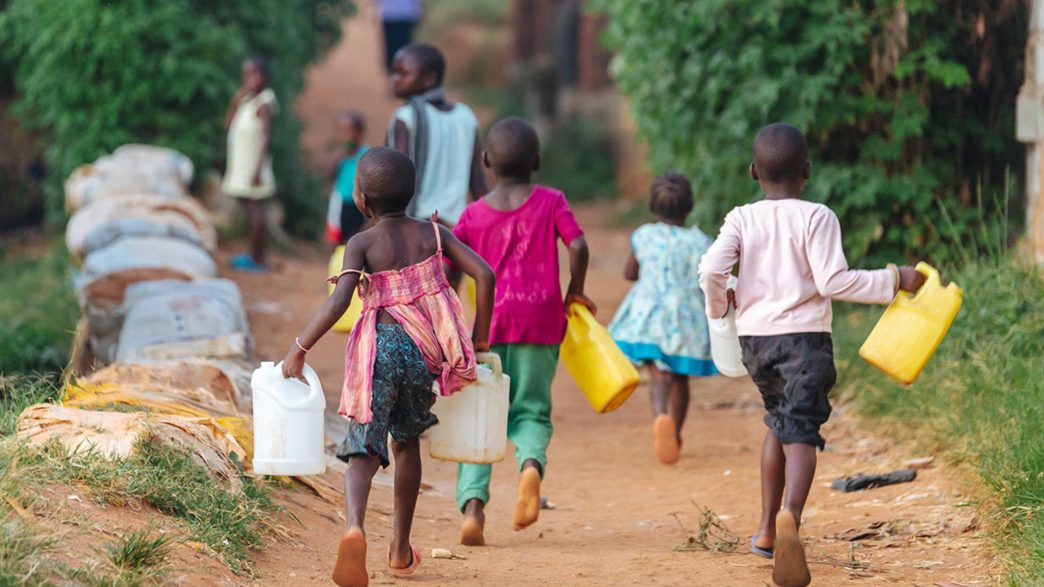
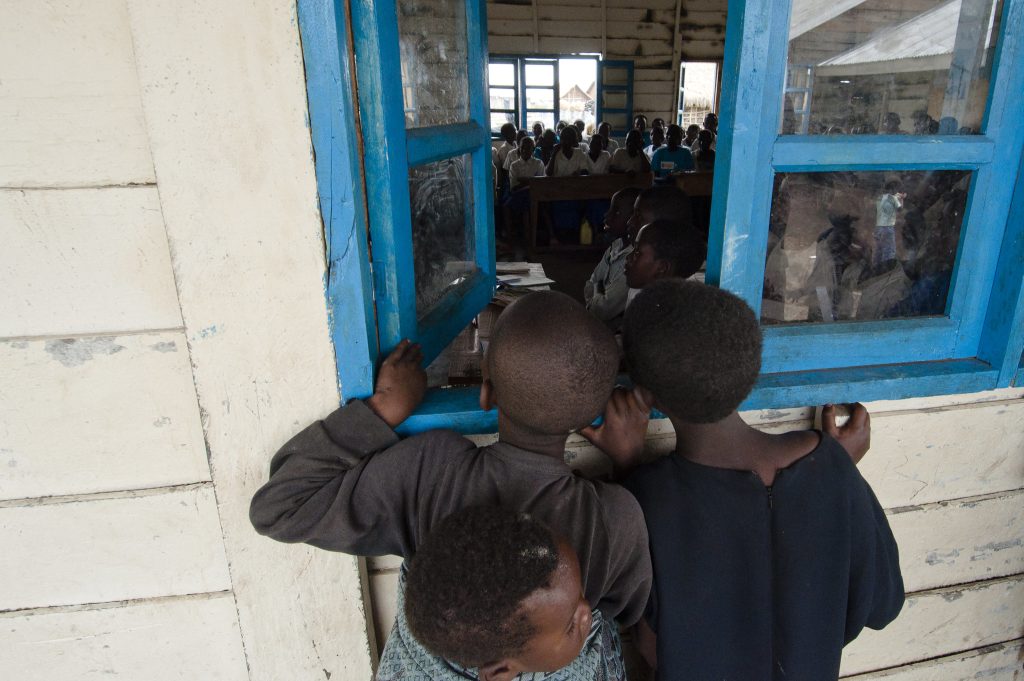
The global number of unschooled children and youth has risen to 273 million, with Sub-Saharan Africa and the Middle East bearing the brunt of the crisis.
According to UNESCO, the steady progress made in school retention since 2015 has slowed in almost every region. Sub-Saharan Africa, in particular, has experienced the greatest slowdown, largely driven by rapid population growth.
Conflict remains a primary barrier to education; more than one in six children now live in conflict-affected areas. This reality is especially acute in the Middle East, where regional tensions have forced widespread school closures, leaving millions of children at risk of falling behind. 
Signs of Progress and Enrollment Gains
Despite these challenges, the last quarter-century has seen significant gains. Since 2000, global primary and secondary education enrolment has increased by 327 million (30%), reaching 1.4 billion students by 2024. Furthermore, pre-primary enrolment rose by 45%, while post-secondary education saw a staggering 161% increase. This equates to an average of 25 additional children attending school every minute.
Specific countries have emerged as success stories:
- Madagascar and Togo reduced out-of-school rates for children by at least 80% since 2000.
- Morocco and Vietnam achieved similar reductions for adolescents.
- Georgia and Turkey saw the same success for young people.
- Côte d’Ivoire halved its out-of-school rates across all three age groups during this period.
READ ALSO: How Ghana Got The UN to Label African Slavery ‘Gravest Crime Against Humanity
The Quality vs. Access Trap
While the proportion of countries using financing mechanisms to support disadvantaged populations has increased fourfold, a new index in the UNESCO report reveals a stark reality: only 8% of all countries are actively attempting to redistribute resources toward these groups.
Prior efforts to make education affordable successfully improved access but often compromised quality, leading to higher dropout rates. Furthermore, while tuition may be free in many areas, substantive “hidden costs” remain a barrier for families, including:
- Transportation
- After-school care
- Meal costs
The Road Ahead
As international donor funding retreats, essential programmes that were never fully integrated into national budgets now face collapse. Although school meal schemes exist in 84% of countries, these initiatives—alongside vital school grants—are at risk as financial support declines.
The report stated that no single policy can resolve exclusion issues. It advocates for policies tailored to local contexts, drawing on evidence.
In 14 African countries, compulsory education been mandated rather than merely providing free education resulted in an increase of over a year of schooling for both genders; incorporating child labor laws will also further enhances these improvements.

About The Author