




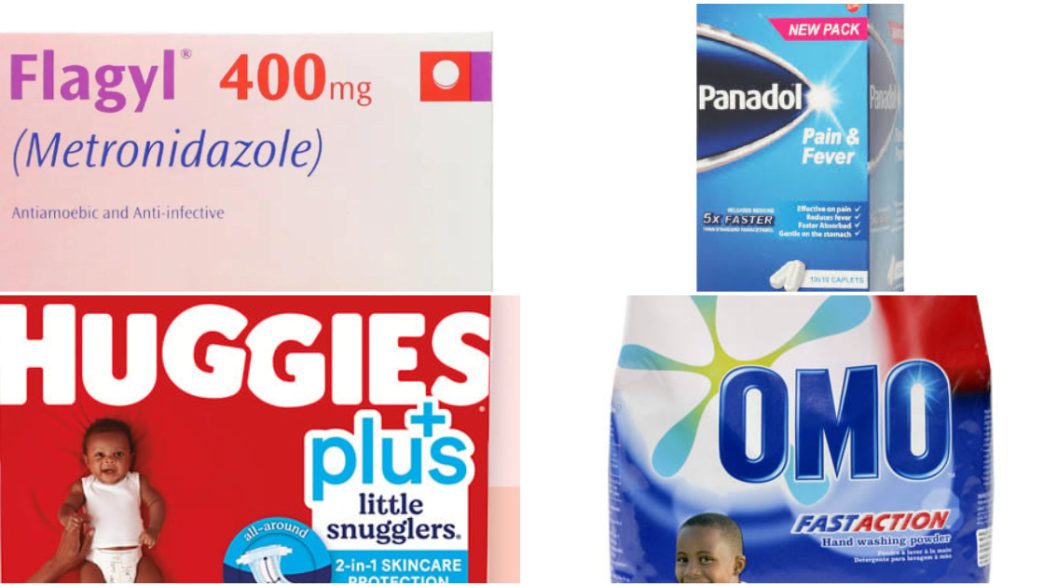
Since 2023, there has been a wave of corporate exits in Nigeria.
Businesses have struggled with shortages in foreign exchange, high cost of energy, the devaluation and fluctuation of the naira, and a difficult environment for business survival.
Here are 10 companies that have scaled down, divested, or fully left the market. 
GSK (GlaxoSmithKline)
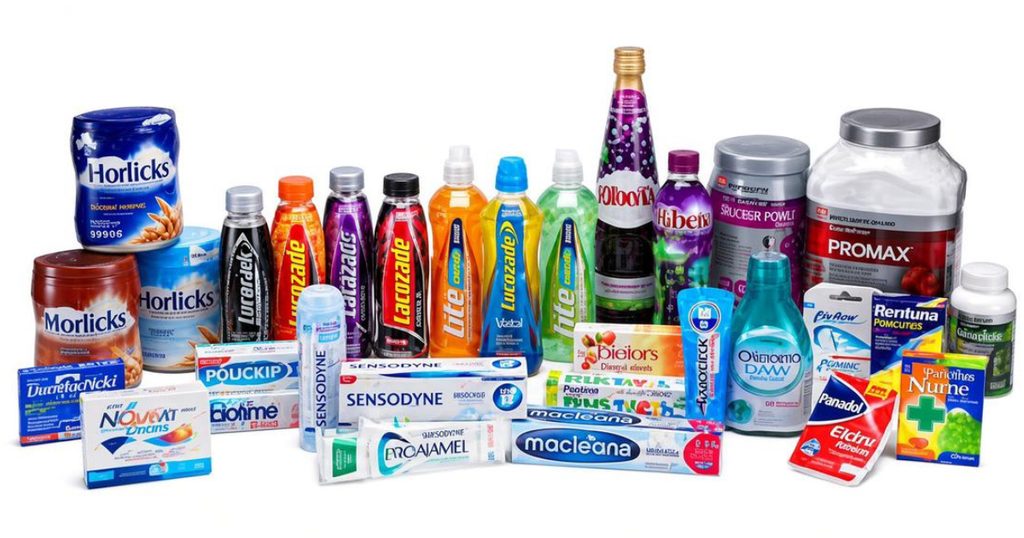
After more than 50 years of local manufacturing in Nigeria, the pharmaceutical company left Nigeria in 2023. GSK is famous for Panadol, Maclean, Sensodyne, Ribena and Lucozade Boost. It cited currency volatility and economic barriers as its reasons for departure, and it switched to third-party distribution.
SEE ALSO: Why Uber Is Leaving Nigeria after 12 Years
Procter & Gamble
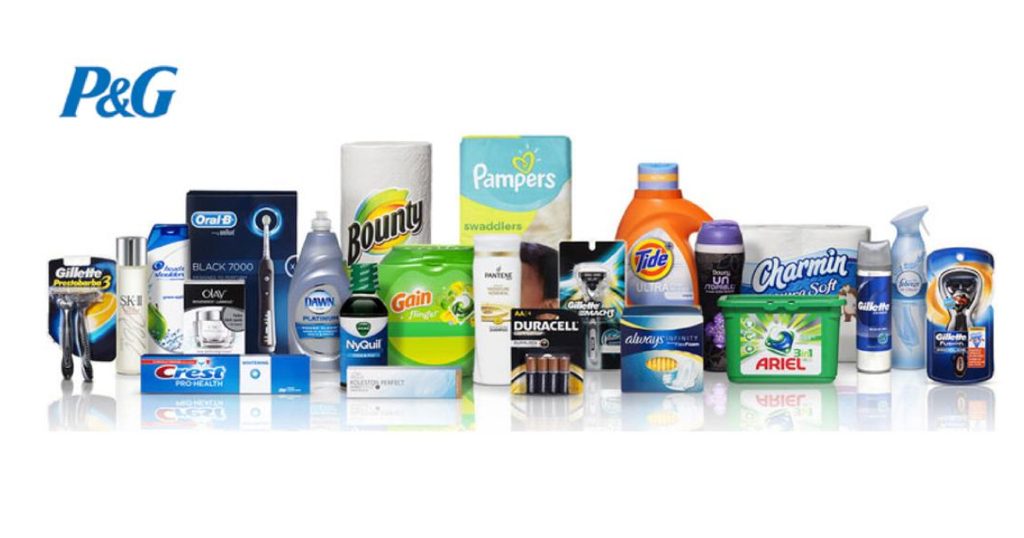
Procter & Gamble, the producers of Pampers, Always, Ariel and Oral-B, shut its factories in Nigeria in 2023. The fast-moving consumer goods (FMCG) company switched to an import-only model because of the rising production costs and foreign exchange difficulties in the country.
Sanofi
Sanofi, the pharmaceutical company popular for Flagyl, entered Nigeria in 1999. It ended direct operations in February 2024 and moved to a third-party distribution model for its products. According to Sanofi, the foreign exchange crisis and broader economic pressures led to its exit from Nigeria.
Unilever

Unilever, which started operations in Nigeria in 1923, did not take a full exit. It only stopped manufacturing several of its home-care and personal-care brands like Omo, Sunlight and Lux in 2023. The company explained the move as a strategic response to the challenging business climate and currency risks.
Equinor
After over 30 years operating in Nigeria, Equinor sold its oil and gas assets, including its stakes linked to the Agbami field. The petroleum company sold its Nigerian business to Chappal Energies for up to $1.2 billion in December 2024. The move was reportedly part of a global portfolio streamlining effort.
Bolt Food
Bolt Food put an end to its meal-delivery service in December 2023. It stated that the decision was driven by the need to improve its efficiency and optimise resources.
Jumia Food
Jumia Foods also halted operations in 2023. It discontinued because of the tough conditions facing food-delivery platforms amid high costs and currency instability.
Kimberly-Clark
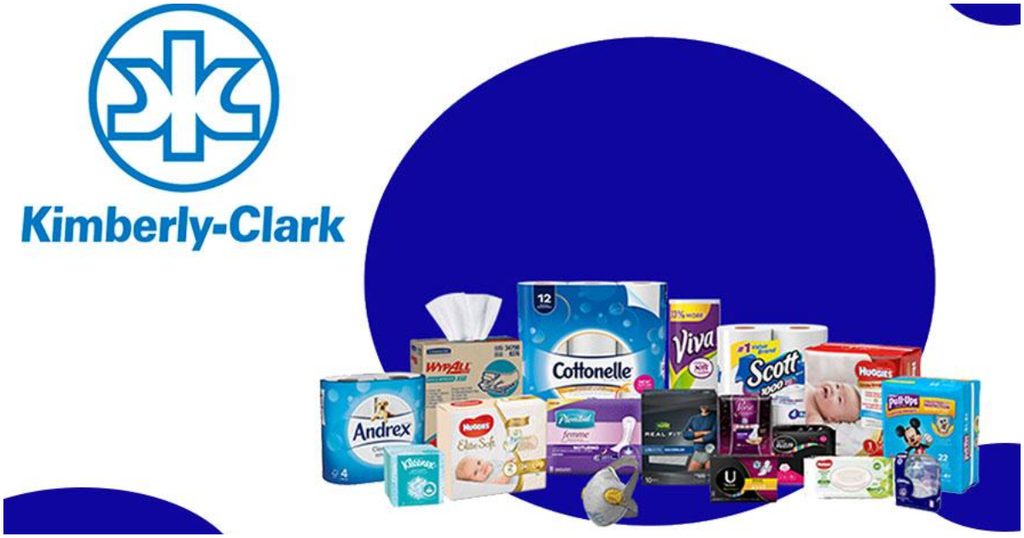
After 15 years of operation in Nigeria, Kimberly-Clark closed its manufacturing plant and commercial office in June 2024. The producers of Huggies diapers and Kotex sanitary pads attributed their exit to high electricity costs, low consumer spending, foreign exchange scarcity, and a shift in global company strategic priorities.
SEE ALSO: Chicken Republic, PieXpress Open First Outlet in Jos, Expand Presence to Plateau State
Pick n Pay
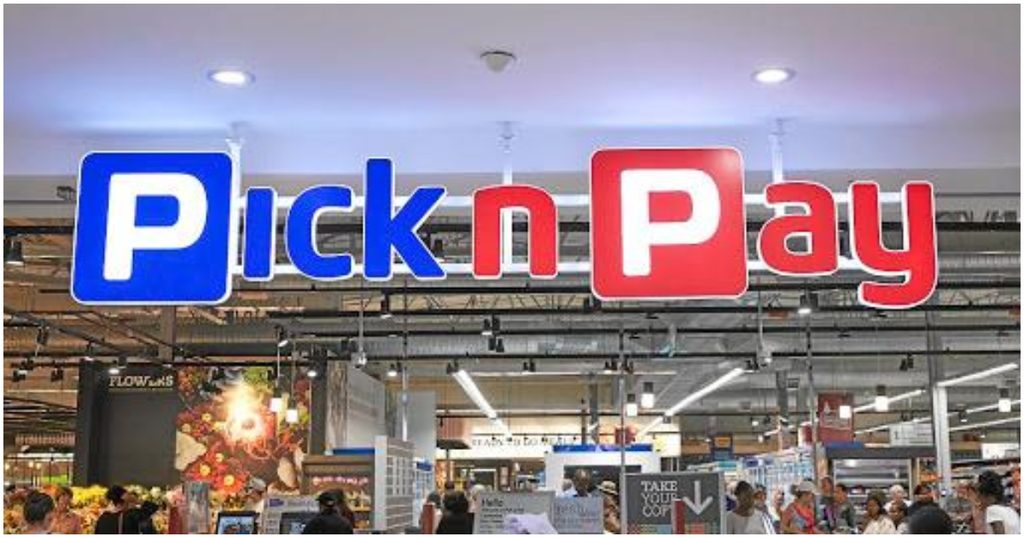
After barely three years, the South African grocery retailer exited Nigeria by selling its 51% stake in a joint venture in 2024. It chose to concentrate on its core South African operations amid naira volatility and regulatory challenges.
Binance
Binance stopped all naira services in March 2024 after a regulatory crackdown. The Nigerian authorities blocked access to the platform and detained executives. Naira deposits, withdrawals, and P2P trading were stopped, with remaining balances converted to USDT.
Crypto-to-crypto trading remains possible for some users, but local-currency operations have ended.
The departure of these companies underscores the strain of Nigeria’s macroeconomic conditions on multinational and local companies. Although some brands still have their products made available through third parties, the loss of manufacturing capacity and direct investment raises concerns about jobs and long-term economic resilience.

About The Author