



Dating in Ghana may be different from what dating means where you come from. While the word often means exclusivity in other places, new findings suggest that for some young women in Ghana, having three boyfriends is normal.
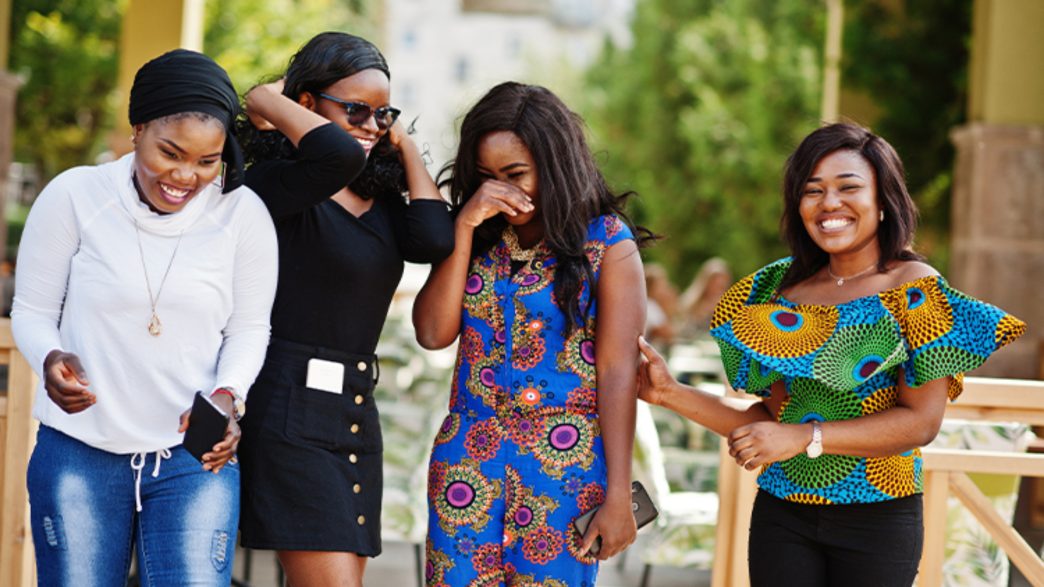
A recent NRS survey found that just over half of Ghanaian women aged 19 to 27 say they are dating more than one person at the same time.
The survey which focused on women in this age group living in urban and peri-urban areas suggests that dating among young Ghanaian women is becoming more flexible and less tied to cultural expectations. 
What Does It Mean To Date?
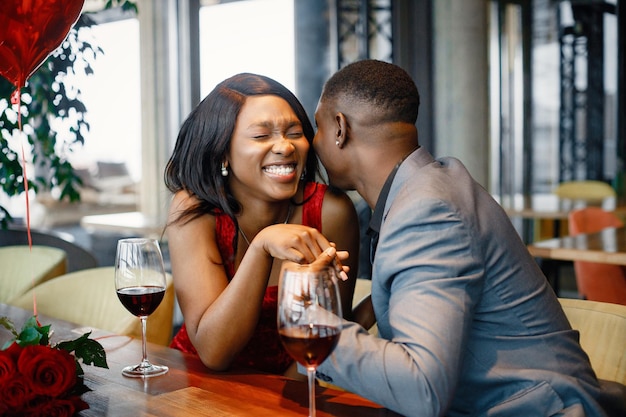
Before we start pointing fingers or drawing conclusions, it’s worth slowing down and asking a very simple question; what does “dating” even mean anymore?
For some, it is a serious and exclusive relationship; for others it simply means talking, going out, and getting to know someone without any commitment attached.
Since the survey, social commentators have blamed dating apps, and honestly, it’s not hard to see why, with one swipe, you can meet someone new. Back then, meeting someone took effort. Now options are everywhere, and when options are everywhere, commitment becomes difficult.
Then there’s the argument about emotional security. In response to the survey, people say they believe young women date multiple people because they are trying to protect themselves emotionally, financially, and mentally.
In an economy where things are unstable and the future feels uncertain, relying on one person can feel risky. Instead of putting all their eggs in one basket, some women spread their chances, hoping that at least one connection will turn into something solid.
ALSO READ: Wives Beat Their Husbands in This African Country
Where Are Young People Learning To Date?

This conversation didn’t start today. For years now, public figures and influencers have openly shared opinions about how women should approach dating and relationships.
Nigerian Big Brother Naija alumnus, Tacha once went viral for advising young women to always have a backup in relationships. In her words, “As a lady, you should have at least three boyfriends.” While she added that she isn’t saying there should be sexual affairs involved with all three, the message was still clear: don’t limit yourself too early.
Comments like this have travelled across social media, especially among young women already trying to navigate love and long-term commitment. And it raises an important question: do these kinds of messages actually influence how young women date?
When advice like this is repeated online and shared in the girls’ group chats, does it begin to shape their real-life approaches to dating? It is also possible that these opinions simply reflect experiences many women already have. Lessons learnt from past relationships, disappointments, or unmet expectations.
Either way, the line between online conversations and real-life choices feels increasingly blurred. And when a poll like this emerges, it’s hard not to wonder whether what young women hear from influencers and public figures plays a role in how they approach dating today.
What Does This Really Tell Us?
On the other hand, there’s a question nobody is asking. If a large number of women are dating multiple people, what does that say about men? Because relationships don’t happen in isolation. Are men also dating multiple people?
Maybe this isn’t about morality at all. Maybe it’s about a generation trying to figure things out in a completely different world. A world where love competes with survival, where independence is prized, and where the rules our parents followed no longer seem to apply.
The NRS survey doesn’t give us all the answers, but it does force us to confront one reality: dating in Ghana is changing, and young people are redefining it in real time.
Whether that change is good or bad depends on who you ask. But one thing is clear: this conversation is bigger than the numbers, bigger than gender, and bigger than one survey.

About The Author