




For decades, Africa’s relationship with the world has been defined by what lies beneath the soil. Crude oil, minerals and gas are continuously extracted, shipped and priced in Europe and America and in other powerful countries. Oil rigs are symbols of economic power for different African countries.
But things are slowly evolving. 
Today, Africa’s most visible export is no longer crude oil. It is culture: music, film, fashion, sports, and language. Unlike oil, culture is moving faster, reaching further, and touching more lives across the world.
This is not accidental. It is structural, and it explains why Africa is exporting culture faster than oil.
A Continent Built on Resources and Reintroduced Through Stories
Africa has about 20 oil-producing countries, with Nigeria, Angola, Algeria, Libya, and Egypt accounting for most of the continent’s production. On paper, oil should still dominate Africa’s global relevance. Yet oil isn’t what puts us on the world map.
It is tied to infrastructure, politics, contracts, and price shocks. It requires permission from governments, from multinational corporations, and from global markets, but culture does not.
African culture lives where oil cannot: on phones, playlists, screens, football pitches, and social media timelines. It moves at the speed of the internet. A song recorded in a bedroom in Lagos can reach Brazil before a barrel of oil is cleared at the port.
African Music

Nothing illustrates this shift better than African music.
Afrobeat, which was once considered regional, is now a global sound. African artists sell out arenas in Europe and North America, dominate international playlists, and collaborate with the world’s biggest pop stars. Streaming platforms have erased distance, allowing African music to travel even without record labels.
What makes this remarkable is not just popularity but scale. African music exports have grown rapidly in recent years, driven almost entirely by digital distribution. Royalties earned abroad now make up a significant share of income for African artists.
Music creates cultural value long after the song is released.
ALSO READ: 5 of Tyla’s Record-Breaking Achievements in 2025
African Movies
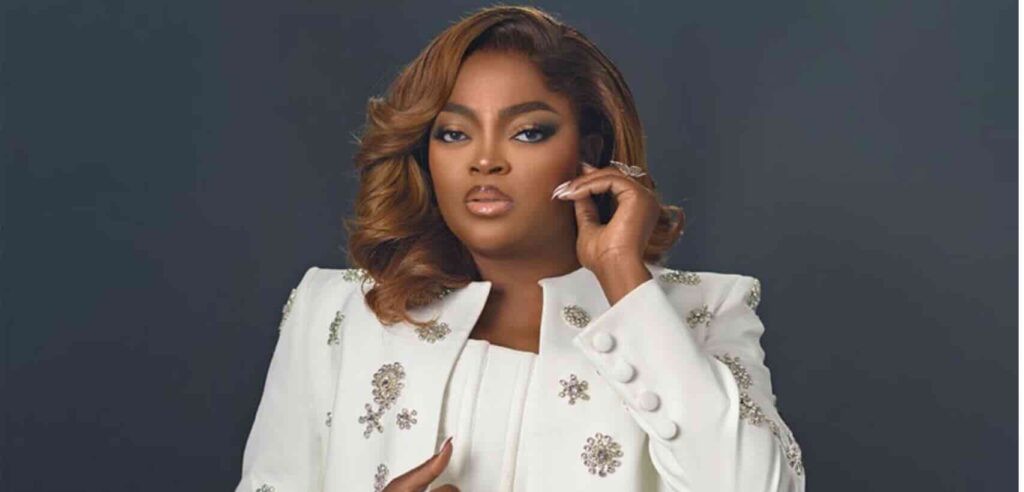
Film also tells a similar story. Nigeria’s film industry, Nollywood, produces thousands of films each year, making it one of the most prolific film industries in the world. Once sold mainly on DVDs and watched locally, African films now live on global streaming platforms like Netflix and YouTube, reaching diasporas and non-African audiences alike.
These films succeed not because they imitate Hollywood, but because they do not. They are unapologetically African in language, humour, family dynamics, and social tension. Viewers recognise themselves in these stories, even across borders.
ALSO READ: Funke Akindele’s ‘Behind The Scenes’ Hits ₦2 billion, Setting a New Record for African Cinema
Fashion and Sports

Beyond music and film, African fashion and sports have become cultural exports in their own right. African designers now make outfits for international celebrities. Africans appear at every country’s international fashion week. Truly, the influence of African fashion is far beyond the continent.
Footballers, runners, and athletes from Africa are not just competitors; they are international brands and ambassadors of style. These exports are not just shipped in containers. They are worn, watched, and admired. Crucially, they reshape how Africa is perceived, not as a supplier of raw materials, but as a producer of taste, creativity, and influence.
Culture moves faster than oil because it simply asks for less. Oil needs billions of dollars, years of searching underground, and massive infrastructure before it can even begin to matter. Culture, on the other hand, starts with talent, a phone, an internet connection, and people willing to pay attention.
It also travels differently. Culture lives online, on streaming platforms, social media, and digital marketplaces built for speed and sharing. One song, video, or trend can cross continents overnight. Oil can’t do that. It depends on pipelines, ports, politics, and prices that rise and crash without warning.
More than anything, culture lasts because it means something to people. Oil powers machines. Culture shapes who we are. We form memories around songs, movies, football teams, and fashion. We argue about them, defend them, and keep coming back to them because they feel personal. Oil is something you use and move on from, whereas culture is something you carry with you.
According to the United Nations, Africa is the youngest continent in the world, and its youth are the engine behind this cultural surge. Young Africans are not waiting for institutions to validate them. They are creating content, building audiences, and monetising attention on social media.
The current generation understands something previous ones did not: visibility is power.
By telling our own stories, Africans are reclaiming narrative control and exporting it. Culture allows Africa to speak for itself, rather than be spoken about.
The Limits of Oil
Oil is finite and is believed to one day run out. Even before it does, the global push toward renewable energy is reducing its long-term relevance. Culture, on the other hand, renews itself with every generation. Every new sound, film, style, and slang reinvents Africa’s global presence. This does not mean oil no longer matters. It does. But it no longer defines Africa’s future the way it once did.
What This Really Means
Africa exporting culture faster than oil is not just an economic story. It is a power shift. It means influence without permission. It means revenue without pipelines. It means visibility without extraction. Culture allows Africa to meet the world on its own terms. Not as a resource to be mined, but as a voice to be heard. Oil built Africa’s past relationships with the world. Culture is shaping its future relationships.
And this time, the export is not something taken from the ground; it is something created by the people.
About The Author