




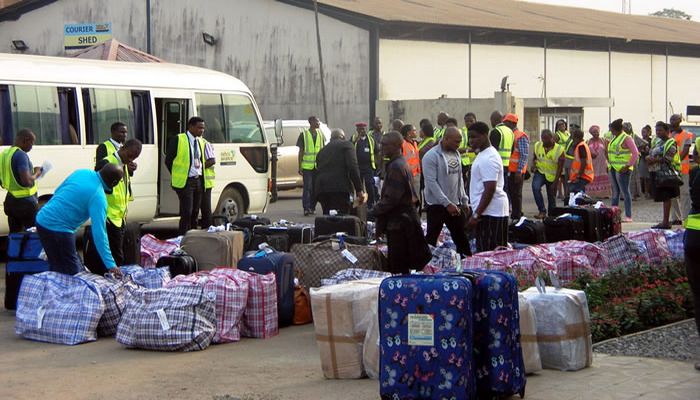
A letter from the Nigerian Embassy in Niamey officially notified immigration, customs, and police officials in both countries of the return of stranded Nigerian migrants.
According to the letter, dated March 27, 2026, the migrants were repatriated to Nigeria in a convoy operated by Rimbo Transport Voyageurs. The migrants were escorted by 12 drivers and assistants during the journey via the Maradi–Katsina border route. 
The embassy included a plea for officials along the route to cooperate with the team to ensure the journey proceeded smoothly. The letter stated:
“Grateful therefore, accord them the necessary cooperation and assistance to facilitate their journey in/out without any hindrance.”
According to Sahara Reporters, the letter (reference NEN/171/2026) was signed by G.D. Muhammad on behalf of the Nigerian Ambassador to Niger. Photos from Magama-Jibia showed that immigration officers received at least 530 returnees, comprising 345 men and 185 women.
The returnees hail from various states across Nigeria, including Kano, Jigawa, Katsina, Niger, Taraba, Adamawa, Enugu, Sokoto, Ebonyi, Gombe, Plateau, Delta, Lagos, and the Federal Capital Territory (FCT).
This batch of deportations comes five months after the National Emergency Management Agency (NEMA) facilitated the safe return of 131 Nigerians from Agadez, Niger, under the Assisted Voluntary Return Programme, with support from the International Organisation for Migration (IOM) and the Nigerian government.
ALSO READ: The UK Just Made Visa Fees More Expensive – Here’s What Changes From April 8
Why the Deportations?
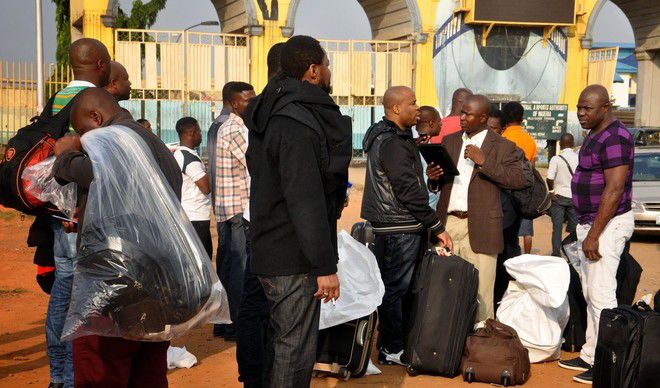
The Republic of Niger has been carrying out deportations as part of its efforts to manage migration and maintain border security.
Niger is a major transit hub; many individuals pass through the country on their way north toward Europe or other African nations in search of better opportunities. Simultaneously, thousands of migrants are deported to Niger or its borders by neighbouring countries, particularly Algeria.In April 2025, InfoMigrants reported that over 1,000 people were deported from Algeria to Northern Niger.
These mass deportations into Niger create significant humanitarian and security challenges for the Nigérien government.
Consequently, these repatriations are a strategy—conducted in cooperation with neighbouring nations—to return individuals to their respective home countries. It is also a means for the Nigérien government to regulate who enters, stays, and leaves the country while attempting to balance national security with regional relations.

About The Author