



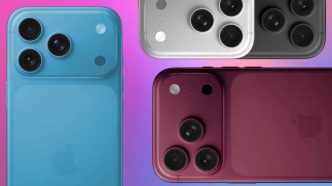
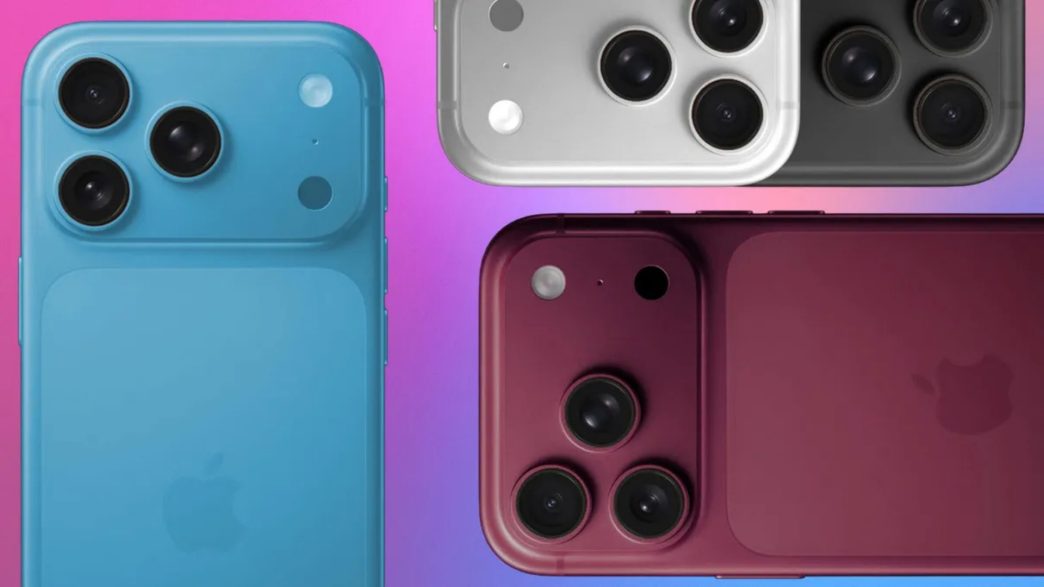
Apple has not said a word officially about the iPhone 18 Pro; it rarely does this far out. But leaks from supply-chain sources and analyst reports have been accumulating steadily, and what they collectively suggest is a phone that builds on the iPhone 17 Pro without dramatically departing from it, with one significant camera upgrade leading a package of meaningful but measured improvements.
Here is what the leaks are pointing to.
Design: The Same Shape, Slightly Different Proportions
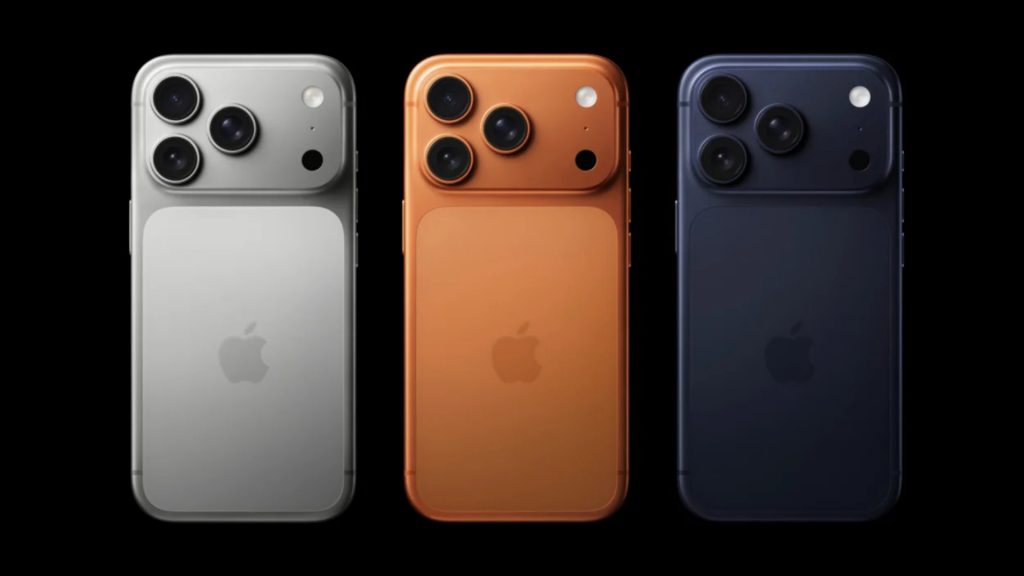
If you were hoping for a radical reimagining of the iPhone’s physical form, the iPhone 18 Pro is unlikely to deliver that. The current iPhone 17 Pro established a design language (the rear camera plateau, the 6.3-inch display, and the refined Pro materials), and early reports suggest Apple intends to largely carry that forward. 
The adjustment being widely tipped is a slightly thicker body, accommodating both new camera hardware and a larger battery. It isn’t a dramatic change, but for anyone who found the 17 Pro already pushing the limits of comfortable handling, it is worth knowing.
The display size is expected to be 6.3 inches with ProMotion and always-on support intact. The most visually significant change could come from the Dynamic Island. Apple is reportedly working on moving additional Face ID components under the display, which would allow the Dynamic Island cutout to shrink noticeably. Whether that materialises depends on manufacturing timelines that haven’t yet been confirmed.
Performance: The 2nm Leap
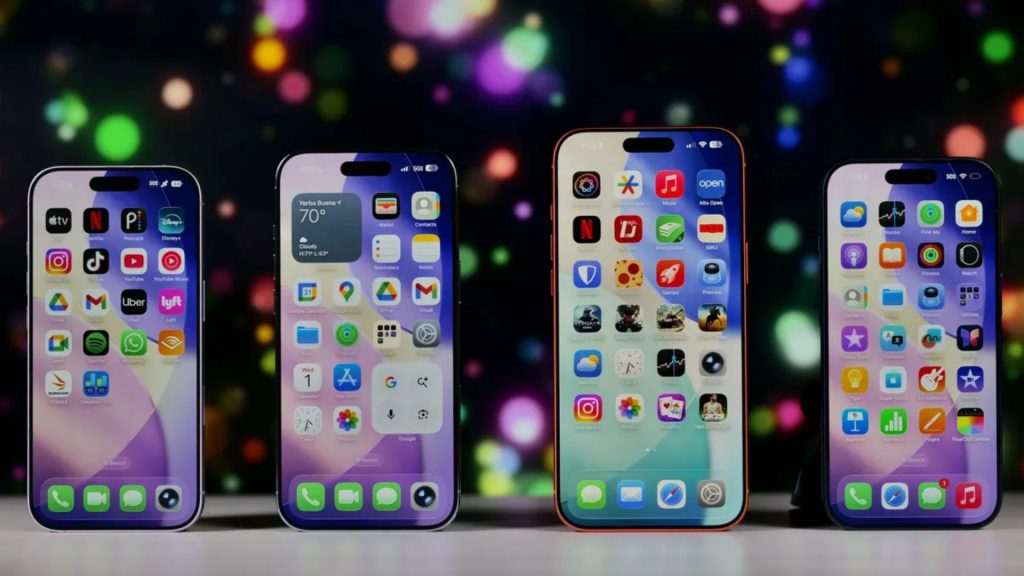
The clearest generational upgrade in the iPhone 18 Pro is expected to be under the hood. Apple is widely anticipated to introduce its A20 Pro chip, manufactured on a 2nm process, which is a step beyond the A19 Pro in the current 17 Pro.
What 2nm means in practice is more performance delivered with less power consumption. This means faster app loads, smoother processing, more capable on-device AI, and, critically, the efficiency gains should allow all of that without shortening battery life. The combination of a more efficient chip and a reportedly larger battery points to a device that outlasts its predecessor in real-world use.
Camera: Variable Aperture Changes the Game
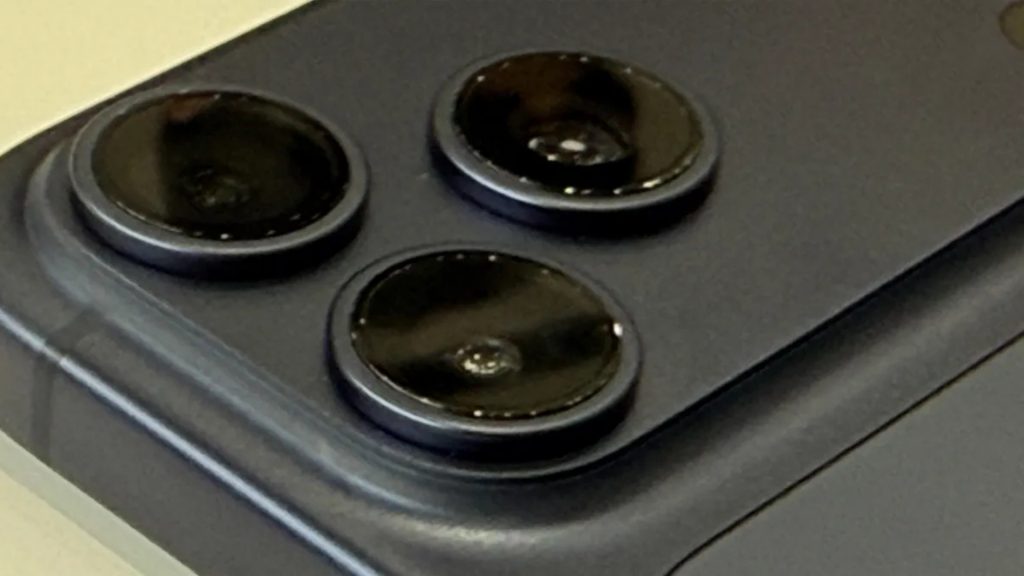
The variable aperture is the feature that has generated the most discussion among camera-focused users, and for good reason.
Every iPhone to date uses a fixed aperture; this means the lens opening that controls how much light enters the camera stays constant, leaving the software to compensate for different lighting conditions. The iPhone 18 Pro is being tipped to change that with a variable-aperture main camera system.
A variable aperture physically adjusts how much light reaches the sensor, giving the camera genuine hardware flexibility across different scenarios. Better portraits, cleaner low-light shots, and more nuanced depth-of-field control – this is the kind of creative range that dedicated camera users have always had access to, and smartphone photographers have been approximating with software.
If this feature makes it into the final product, it would represent the most meaningful camera hardware upgrade Apple has made in several years.
SEE ALSO:
Battery and Price
Battery life is expected to improve modestly; the combination of a slightly larger cell and the efficiency of the 2 nm chip should push endurance beyond the 17 Pro without requiring any changes to charging habits. Wired and wireless charging speeds are not expected to change significantly.
Pricing is the variable that has drawn less attention but may matter most to buyers. Multiple reports have pointed to rising component and memory costs filtering through to consumer pricing, which could make the iPhone 18 Pro more expensive at launch than its predecessor. In price-sensitive markets, that increment is worth factoring into any purchase decision made between now and release.
SEE ALSO: These iPhones Will Become Outdated in 2026—Is Yours on the List?
Should You Wait?
This depends almost entirely on what you are currently using.
If you own an iPhone 17 Pro, the incremental nature of what is being reported (a refined chip, a camera hardware upgrade, and marginally more battery) does not make an immediately compelling case for upgrading. The 17 Pro is already one of Apple’s most capable devices.
If you are coming from an iPhone 15 Pro or earlier, the picture shifts. The jump to 2 nm performance and the potential addition of a variable aperture would represent a genuinely meaningful step forward from where those devices sit.
Apple typically announces new iPhones in September. Until then, everything here remains leaky territory, directionally consistent but not confirmed.

About The Author