


Nigeria’s electricity problem is no longer just about faulty lines or grid collapses. It has become a full-blown financial crisis. One that has been quietly building for years and is now impossible to ignore.
At the centre of it is a staggering ₦6.8 trillion debt owed to power generation companies, also known as GenCos. This debt didn’t appear overnight. It has been accumulating since around 2015, growing steadily as the system continued to function without actually paying for itself.
Today, that unpaid bill is beginning to shut the entire sector down. 
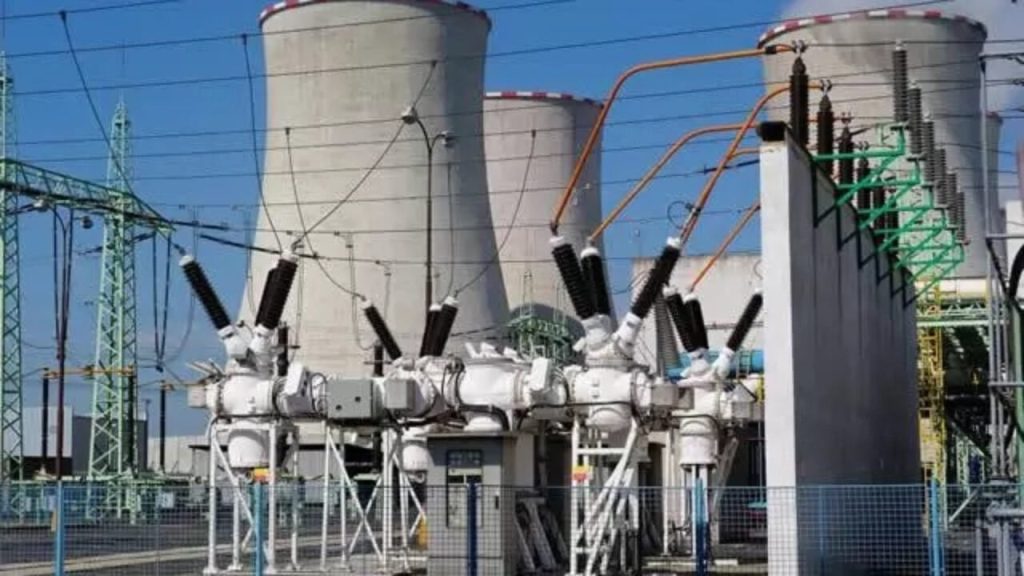
To understand how things got this bad, it helps to look at how Nigeria’s electricity system works. Power generation companies produce electricity and sell it into the national grid. From there, government-backed agencies and distribution companies are supposed to pay for that power and deliver it to homes and businesses. But over the years, that payment chain has been broken.
GenCos have consistently been paid only a fraction of what they are owed. Month after month, invoices go unpaid or underpaid, and the shortfall keeps piling up. What started as a manageable gap has now ballooned into trillions of naira. Because this has been happening for nearly a decade, the debt keeps growing, tightening its grip on the sector.
ALSO READ: Why Nigeria’s Electricity Supply Worsened in 2026
When the Governments Stops Paying, the Lights Go Out
The impact of this debt is now impossible to ignore. Electricity generation is expensive, and power plants depend heavily on 70% gas to operate. They also require constant maintenance, staff salaries, and funding to stay functional.
However, with a massive backlog of unpaid bills, GenCos have run out of money to continue running the 23 power plants in the country.
A clearer picture of the crisis emerges when you look at the numbers.
According to GenCo, the debt burden is not just massive but it is rather still growing, increasing by about ₦200 billion every month. This means the longer the issue remains unresolved, the deeper the sector sinks into financial strain.
In 2024, the Abuja Electricity Distribution Company (AEDC) released a list of major defaulters, showing that government ministries, departments, and agencies (MDAs) alone owed about ₦47 billion in unpaid electricity bills.
The list included some of the country’s most important institutions. Aso Rock was among those owing, alongside the Federal Ministry of Finance, which owed about ₦5 billion, and the Federal Capital Territory Administration, with a debt of roughly ₦7 billion. Other defaulters included state liaison offices in Abuja, each owing around ₦3 billion, while even public facilities like Bwari General Hospital was reported to owe about ₦400 million outstanding at the time.
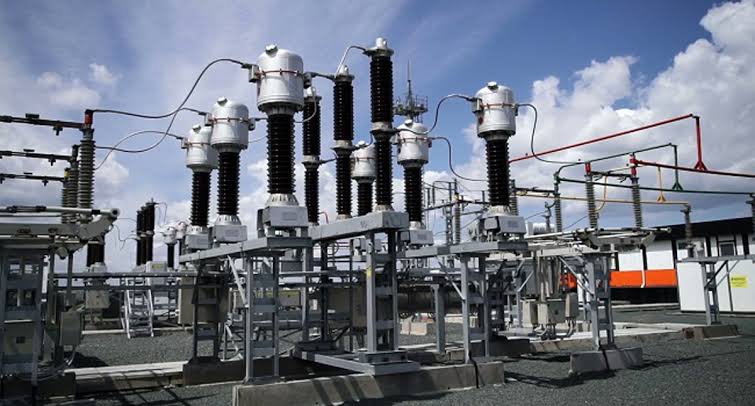
As a result of this, some power plants have begun to scale down operations or shut down entirely. Others can no longer generate at full capacity. This has left Nigeria producing far less electricity than it actually needs, worsening outages across the country.
The crisis deepens when you consider gas suppliers. Since most of Nigeria’s electricity is gas-powered, GenCos rely on a steady supply to keep running. But because they are also owed money, gas suppliers are increasingly reluctant to continue deliveries without payment guarantees.
This then leads to no payment, no gas, and no gas leads to no power generation, and that ultimately leads to blackouts.
This reveals a deep structural problem in the country. Nigeria’s electricity market has long struggled with a liquidity crisis. A system where the money simply does not flow as it should.
Tariffs often do not reflect the true cost of electricity, distribution companies face collection challenges, and the revenue that should sustain the sector never fully reaches the generators.
In the middle of all this, a quiet but telling shift has taken place. The decision to move Aso Rock, Nigeria’s Presidential Villa, to solar power now feels less like innovation and more like preparation.
When the national grid becomes unreliable, the most practical solution is to go off-grid. Solar offers a more stable and independent power source.
Across the country, individuals and businesses are already doing the same by turning to generators, inverters, and solar systems to survive the heat as well as run their businesses and homes.
Conclusion
Nigeria’s electricity crisis is about money. A system that cannot pay for the power it produces cannot function. And until the N6.8 trillion debt is addressed, the outages, shutdowns, and scramble for alternatives will continue.
Because in the end, Nigeria’s power problem isn’t just about why there is no electricity. It’s about why the system that should provide it has stopped doing so.

About The Author