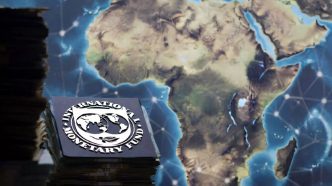

Several African countries have continued to borrow from the International Monetary Fund (IMF) to navigate their economic challenges.
In the latest news, Ghana has moved up the rankings to be the fourth-largest debtor to the International Monetary Fund on the continent. The ongoing borrowing further reflects deep structural issues, including revenue shortfalls, high public debt, and external vulnerabilities in the borrowing country.
According to the IMF financial statements as of May 18, 2026, here is a list of the top African IMF debtors in 2026 and how much they owe, in USD 
1. Egypt — 7,245,182,524
2. Côte d’Ivoire — 3,603,438,776
3. Kenya — 2,873,418,234
4. Ghana — 2,727,468,500
5. Angola — 2,437,716,676
6. Democratic Republic of the Congo — 2,196,550,004
7. Ethiopia — 1,764,502,000
8. Tanzania — 1,335,730,000
9. Zambia — 1,271,660,000
10. Cameroon — 1,152,990,000
Borrowing from the IMF is not inherently negative. Borrowing often gives critical liquidity and policy frameworks during crises in the recipient country. However, high debt levels can cause an increase in debt-servicing burdens and sometimes require painful reforms like subsidy cuts, tax increases, or spending controls.
SEE ALSO: Is it Nigeria or South Sudan that’s the Worst Country to Live in? – What UN & Numbeo Say
African Countries that Have Never Borrowed from the IMF
While many African nations have become frequent customers of the IMF, a small group stands out for maintaining complete independence from IMF borrowing. These countries have either built strong enough economies to avoid external intervention or followed policies of strict self-reliance. They include:
1. Botswana
2. Libya
3. Eritrea
African Countries That Are Not Indebted to the IMF
In addition to the three that have never borrowed, several other African countries have fully repaid their obligations and currently show zero outstanding credit to the IMF (as of May 18, 2026 data)
- Algeria
- Mozambique
- Namibia
- Nigeria
- Mauritius
- South Africa

About The Author