


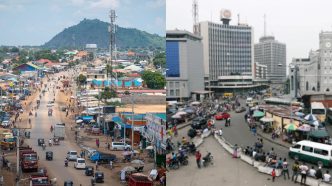
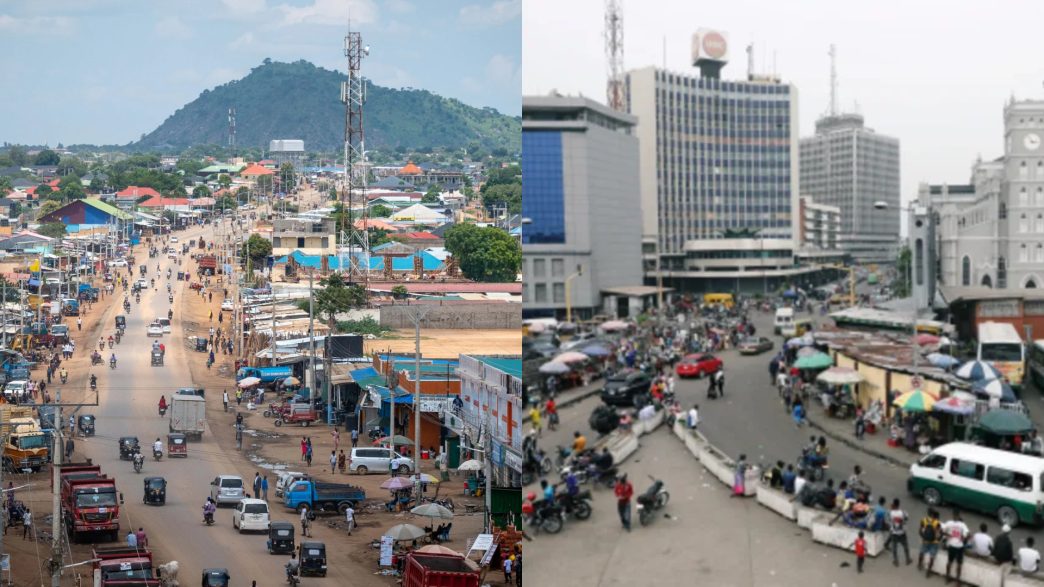
The quest for a better life moves through daily routines, like from navigating bustling markets to building dreams amid challenges. But how do we truly measure quality of life? Is it through long-term national progress in health, education, and income? Or is it through the everyday realities of safety, affordability, and liveability?
The Human Development Index (HDI) by the United Nations celebrates hard-won gains. It focuses on more children being in school, improved healthcare access, and economic foundations being laid.
Numbeo’s Quality of Life Index, on the other hand, keeps it real. It highlights the tangible frustrations and joys that shape weekend gatherings, family life, entrepreneurship, and diaspora returns. 
Here’s a comprehensive, side-by-side look at its findings on the worst country to live in on earth.
SEE ALSO: How Much Data Do Nigerians Buy Everyday?
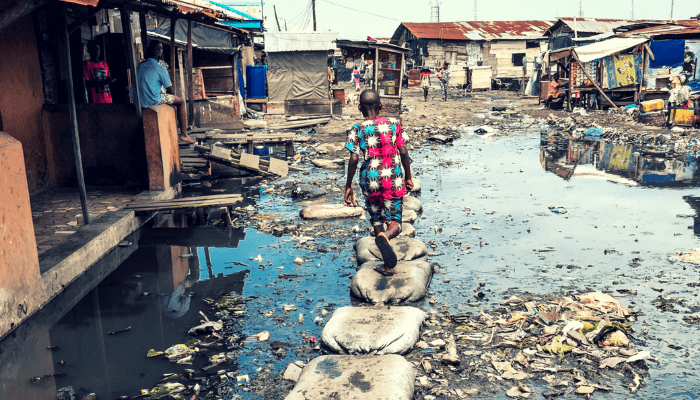
Understanding the UN Human Development Index (HDI)
The HDI, featured in the UNDP’s 2025 Human Development Report, is a respected, data-driven measure of human potential. It evaluates three core dimensions:
- Long and healthy life — calculated by life expectancy at birth.
- Knowledge — Based on mean and expected years of schooling.
- Decent standard of living — Evaluated via Gross National Income (GNI) per capita, adjusted for purchasing power.
The scores by HDI range from 0 to 1. It is categorised into four: Very High (above 0.800), High, Medium, and Low (below 0.550).
The HDI relies on official statistics, which makes it stable and suited for tracking structural progress over time. It’s no wonder war-torn South Sudan is the worst country according to the UN.
The Worst Countries to Live In Ranked as the Lowest HDI Countries (2025 Report)
1. South Sudan: 0.388
2. Somalia: 0.404
3. Central African Republic: 0.414
4. Chad: 0.416
5. Niger: 0.419
6. Mali: ~0.419
7. Burundi: 0.439
8. Burkina Faso: 0.459
9. Sierra Leone: 0.467
10. Yemen: 0.487
Nigeria ranks around 164th with an HDI of approximately 0.560 (Medium category). This suggests that, according to the UN, Sudan is the worst country to live in.
Numbeo’s Quality of Life Index
Numbeo’s 2026 Quality of Life Index is crowd-sourced and perception-driven. It draws from user submissions worldwide, which makes it based on real-time street insights. Numbeo is bottom-up and subjective. It reflects how life feels right now — from walking safely at night to dealing with traffic or power reliability.
It assesses practical, day-to-day factors like:
- Purchasing power
- Safety and crime levels
- Healthcare quality
- Cost of living relative to income
- Property price-to-income ratio
- Traffic commute times
- Pollution levels
- Climate
Higher scores indicate better overall quality of life. This index captures immediate urban experiences and is highly sensitive to current events like inflation, insecurity, or infrastructure issues.
Lowest-Ranked Countries on Numbeo 2026:
1. Nigeria (0.0) — Heavily impacted by low safety, high traffic, pollution, and purchasing power challenges.
2. Sri Lanka (~61.0)
3. Bangladesh (~73.3)
4. Venezuela (~75.2)
5. Egypt (~81.9)
6. Philippines (~87.1)
7. Iran (~88.0)
8. Indonesia (~91.1)
9. Peru (~92)
10. Vietnam (~92.5)
According to Numbeo, which uses a different set of core dimensions from the UN, Nigeria is the worst country to live in.
In Africa, South Africa leads with 150.9, followed by countries like Tunisia and Morocco. Lagos frequently ranks at the bottom among global cities.
Ultimately, neither index tells the full story alone.
What are your thoughts? Does your everyday experience in your city align more with HDI’s long-term view or Numbeo’s street-level reality?

About The Author