
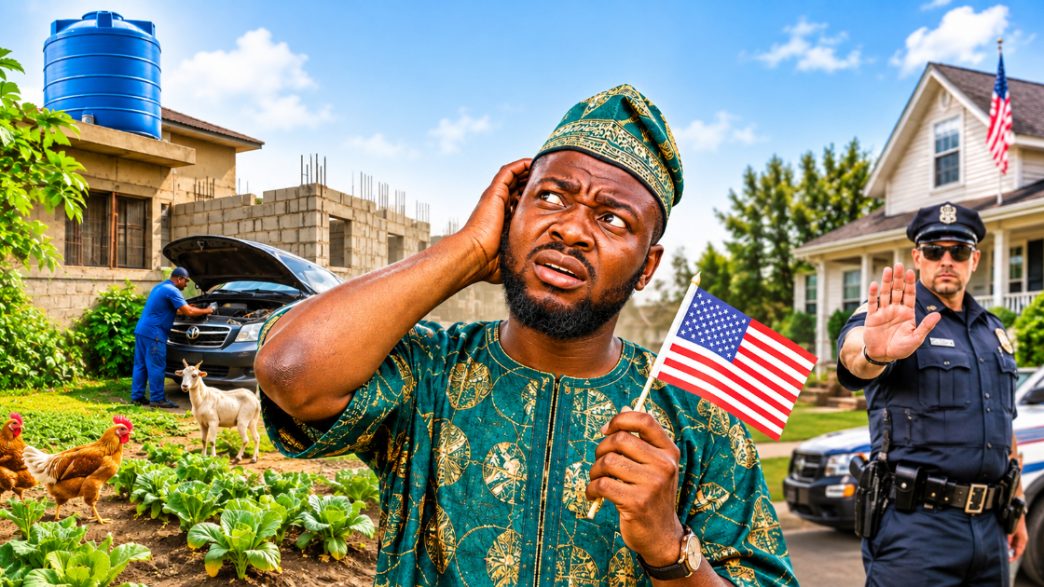
Do you know that, as Nigerians, there are certain things you do in the country that you dare not do in America?
For example, imagine waking up on a Saturday morning and dragging your water hose to wash your car outside your compound. Or if you don’t have that, you use the rainwater you’ve collected in your buckets overnight. You feed your chickens, do a little bit of sanitation and, lacking LAWMA services, you burn the rubbish you’ve been accumulating all week. A perfectly ordinary Nigerian morning, right?
Do you know that if you do some of these things in an American neighbourhood, you are likely to receive a letter from the authorities informing you that your domestic activities have violated local regulations? 
Welcome to the fascinating world of things Nigerians can’t do in America without potentially running into trouble.
Of course, America is not one giant neighbourhood governed by one set of rules. Laws differ across states, counties, cities and even homeowners’ associations. Some activities that attract restrictions in one location are perfectly legal in another. And before anybody starts celebrating, Nigeria also has building, environmental and public health regulations.
We just treat them like, more often than not, cute suggestions.
Still, the cultural differences can be hilarious. Here are 15 everyday Nigerian household activities that could give you an interesting introduction to American regulations.
15 things Nigerians can’t do in America without getting into trouble
1. Harvesting rainwater from your roof
In Nigeria, when the rain starts falling, the first instinct in many homes is to position buckets and bowls under the roof gutters. Free water! Why waste it? Especially in homes that do not have plumbing, this is their saving grace most times, and they’re always the ones praying for rain on Monday mornings.
In America, however, rainwater collection has some interesting rules.
Colorado historically restricted collection under its water-rights system before changing its laws to allow limited harvesting. Other states also regulate collection or use. So, no, you won’t automatically go to prison for catching rainwater, but check your state’s rules before turning your backyard into a reservoir.
SEE ALSO: Hot Take: These Weird Nigerian Food Combinations Should Attract Jail Time
2. Growing vegetables in your compound
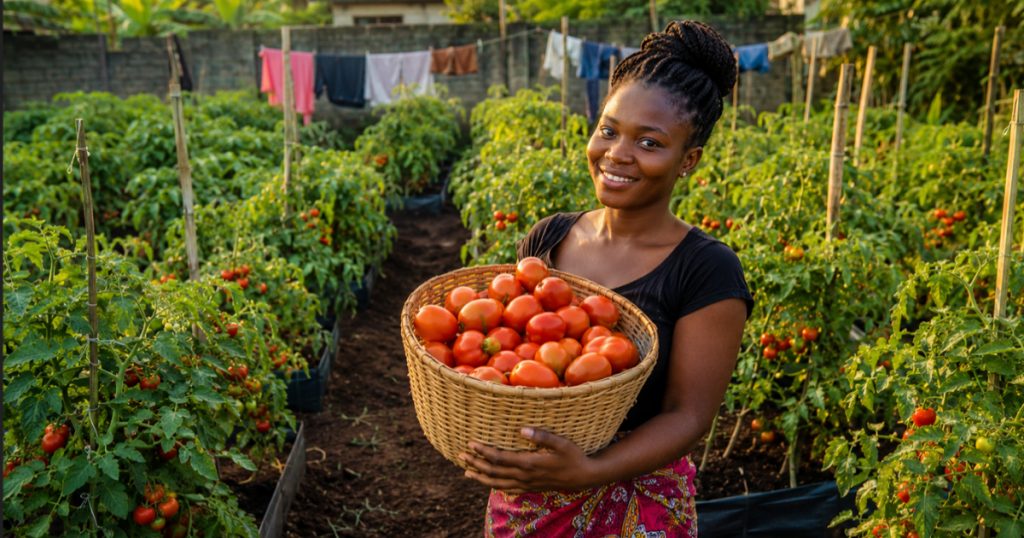
From spinach to tomatoes, pepper, ugwu and garden eggs, Nigerians can turn practically any available patch of soil into a small farm. But in some American communities, zoning rules and homeowners’ associations can regulate where and how residents grow vegetables.
Florida even passed a law protecting residential vegetable gardens from certain local government restrictions. Imagine needing legislation to defend your right to plant tomatoes!
Utter woke nonsense.
3. Keeping chickens, goats and ducks
A Nigerian compound with chickens running around is hardly breaking news.
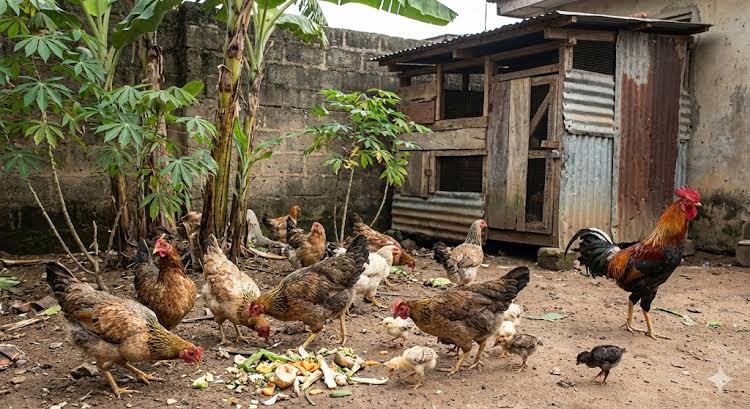
Add a goat, two ducks and perhaps a stubborn dog, and the household is complete. However, this is one of the things that Nigerians can’t do in America.
American cities have local ordinances that can limit the number of chickens, prohibit roosters or restrict livestock entirely. Some places require permits and regulate animal housing. You may need to check the neighbourhood rulebook before introducing Mama Nkechi’s poultry business to your American backyard.
4. Slaughtering your own chicken
In many Nigerian homes, slaughtering a chicken in the backyard is simply lunch preparation. Especially during Christmas. In fact, it is considered a source of pride if you have money to buy live chicken to kill for the festive period, as opposed to buying frozen ones.
In America, personal poultry slaughter is allowed under certain federal exemptions, provided the meat is for household consumption and sanitary conditions apply. Local ordinances may even restrict the practice.
So you can slaughter your chicken in some places, but don’t assume every American neighbourhood will welcome your backyard abattoir.
5. Burning household rubbish
Some Nigerian neighbourhoods have designated days when residents gather rubbish and set it on fire. Especially in states that do not have designated waste-collection bodies like LAWMA, it is the norm. The children scatter as the smoke rises, then the wind carries it into everybody’s compounds so they can have a taste of their own medicine.
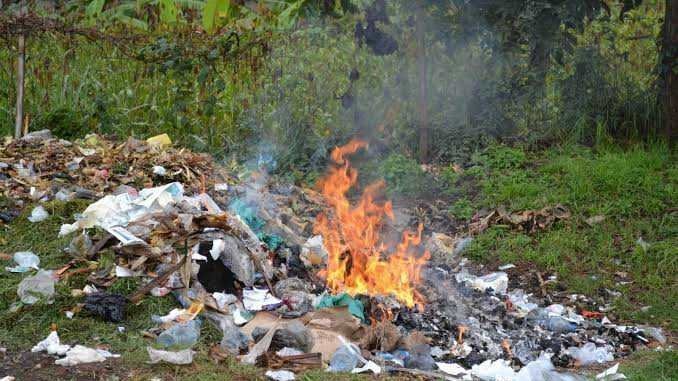
In many American jurisdictions, though, burning household garbage is prohibited because of air pollution and health risks. The EPA also warns against burning materials such as plastics and treated wood.
This is one of the things we do as Nigerians that we can’t do in America.
ALSO READ: What Prolonged Sitting Does to Your Body Over Time
6. Building without permits
In some parts of Nigeria, people begin building on their land and sort out the paperwork later. Once omo onile has been settled and there is money for blocks and cement, it is carry on.
In America, construction generally requires permits and inspections, depending on the project and location. But let’s not pretend Nigeria has no such rules. Lagos requires developers to obtain necessary planning approvals before construction. The difference is that some people build first and start looking for the person who knows somebody at the ministry afterwards.
7. Owning a house without annual property tax
Imagine finally paying off your mortgage, only to discover that the government still expects money from you every year because you own the house. Welcome to American property taxes.
Local governments generally assess property taxes annually, and paying off your mortgage does not make the obligation disappear. Nigeria also has property-related charges, including Lagos State’s Land Use Charge. So, owning a house does not necessarily mean the government has finished asking you for money.
You think you can escape the taxman?
8. Repairing cars in your compound or by the roadside
In Nigeria, a mechanic can dismantle an entire engine outside somebody’s house, with bolts, spanners and questionable-looking containers scattered everywhere.
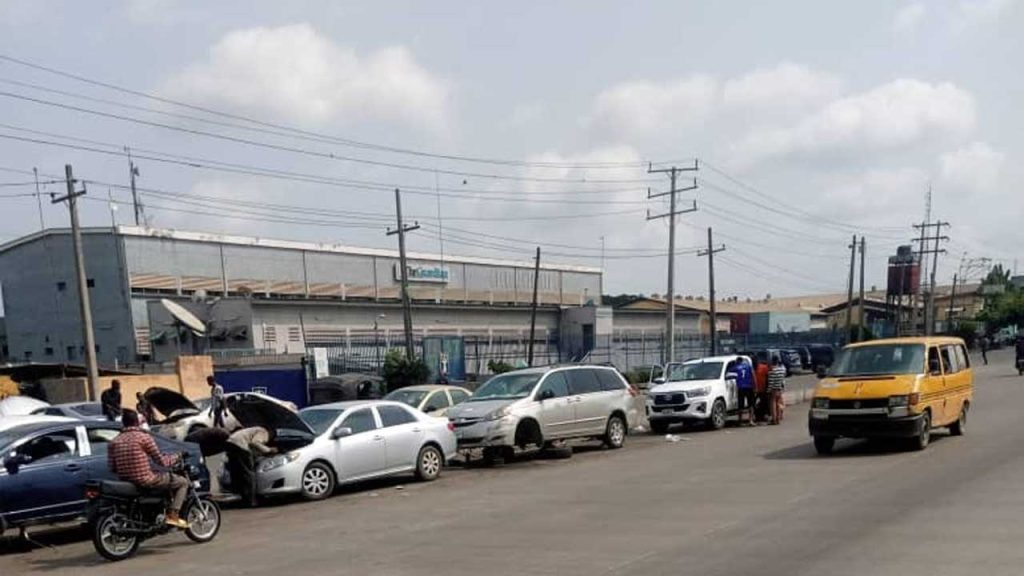
In some American residential neighbourhoods, zoning and nuisance rules restrict running a vehicle repair business from home or leaving disabled cars and equipment outdoors.
You might have to take your roadside workshop somewhere more appropriate. Your neighbour didn’t move into the estate to listen to you servicing your engine every Sunday.
9. Building fences with spikes and broken glass
In Nigeria, you haven’t finished building your house until it looks like you’re protecting a military encampment. Your fence must have electric fencing, metal spikes, barbed wire and broken bottles; all the necessary things to make a determined burglar reconsider his career choice.
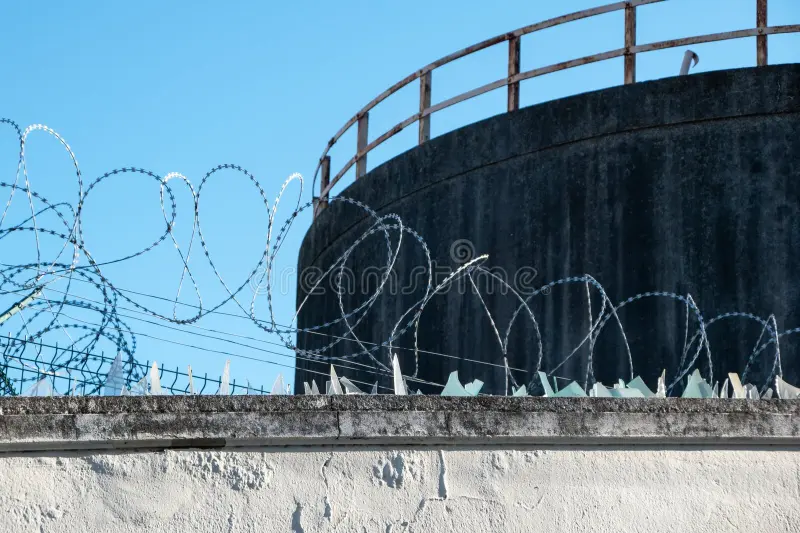
American local building codes, however, can regulate fence height, location and materials. Some homeowners’ associations also restrict walls and fencing. Your security concerns may be valid, but you cannot always turn your property into a medieval fortress.
No wonder they get a lot of break-ins. I’m just saying.
ALSO SEE: 10 Websites That Could Save You Hours Every Week: Internet Gems Worth Discovering
10. Storing water in huge drums and tanks
When water supply becomes unreliable (haha, understatement), Nigerians do not wait around hoping the taps will develop compassion. We already have tanks, drums, buckets and jerrycans filled with water for such emergencies.
In some American locations, large water-storage installations may need to comply with plumbing, building, drainage or structural rules. There is no nationwide ban on keeping water tanks, though. Just remember that stagnant water can attract mosquitoes, something Nigerian public health authorities also warn about.
11. Turning your house into a mini provision store
In Nigeria, selling biscuits, sachet water, detergent and soft drinks from the front of your house is a familiar survival strategy. It takes nothing to set up a kiosk and stock it with every provisions for your street neighbours to patronize you.
In America, operating a shop from a residential property can trigger zoning, business licensing, parking and signage requirements. Some areas allow home-based businesses with conditions; others restrict customer-facing retail activities. Before you turn your frontyard into a supermarket, check whether the zoning office shares your entrepreneurial spirit.
12. Keeping building materials on the road
A Nigerian construction project can take over the entire street. Blocks, sand, gravel, iron rods and a wheelbarrow become permanent neighbourhood decorations.
In American cities, placing construction materials, skips or other obstructions on public streets and pavements generally requires permission and must comply with local rules. You cannot simply turn the road into an extension of your compound because your bricklayers have promised to finish next week.
13. Making noise whenever you feel like it
Generator noise, church speakers, birthday parties, loud music and the neighbour testing his new sound system at midnight: Nigerians know the soundtrack. It is never a complete Saturday morning if your neighbour hasn’t woken you up with Jiji Ti Mo Ji Lowuro.
American cities have noise ordinances that regulate excessive noise, often with specific quiet hours and decibel limits. Nigeria has noise-control regulations too, but enforcement can be a different conversation.
SEE ALSO: How to Spot Fake News: A Survival Guide for Anyone Who Uses Social Media
14. Washing your car on the street
For some Nigerians, washing the car outside the house is a Saturday ritual. Bucket, sponge, detergent and a soundtrack provided by the nearest generator, accompanied by youths playing early morning football on the street.
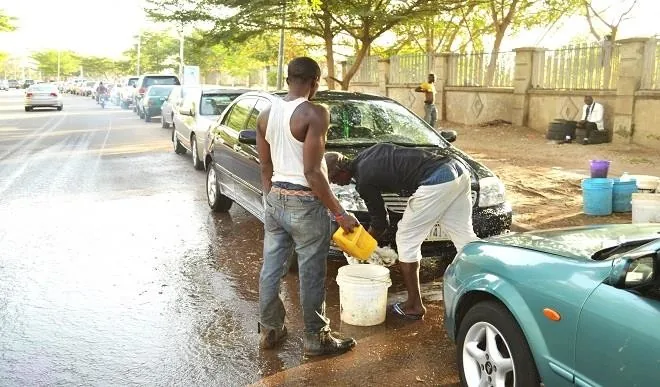
In some American locations, water-use restrictions, stormwater regulations and local ordinances can limit how residents wash vehicles, particularly when soapy runoff enters storm drains. During drought restrictions, even seemingly harmless water use can attract attention. Your car may be dirty, but the environment also wants to survive.
15. Extending your compound into the road
You know the arrangement: somebody builds a shop, installs a gate, places flower pots or extends a fence until the available road becomes suspiciously narrow. In American cities, building setbacks, public right-of-way rules and encroachment regulations can stop residents from claiming public land as extra compound space.
Nigeria also has planning and development laws covering setbacks and public spaces.
So, which of these things Nigerians can’t do in America surprised you?
The interesting thing about these differences is that they reveal just how differently countries regulate everyday life. In Nigeria, some of these activities are so familiar that nobody gives them a second thought. In parts of America, they may require permits, meet strict conditions or fall foul of local regulations.
That doesn’t mean Nigerians can do absolutely anything they like at home, or that America has outlawed backyard farming and rainwater collection. The rules depend heavily on where you live.
Still, imagine explaining to your Nigerian uncle that he needs to check local regulations before keeping three chickens, collecting rainwater or repairing his car in his own driveway. He might just ask whether America has finally run out of problems.
READ ALSO: Ann Lawani: Nigerian Professor Held by ICE For 2 Months Despite Protection From Deportation

About The Author