



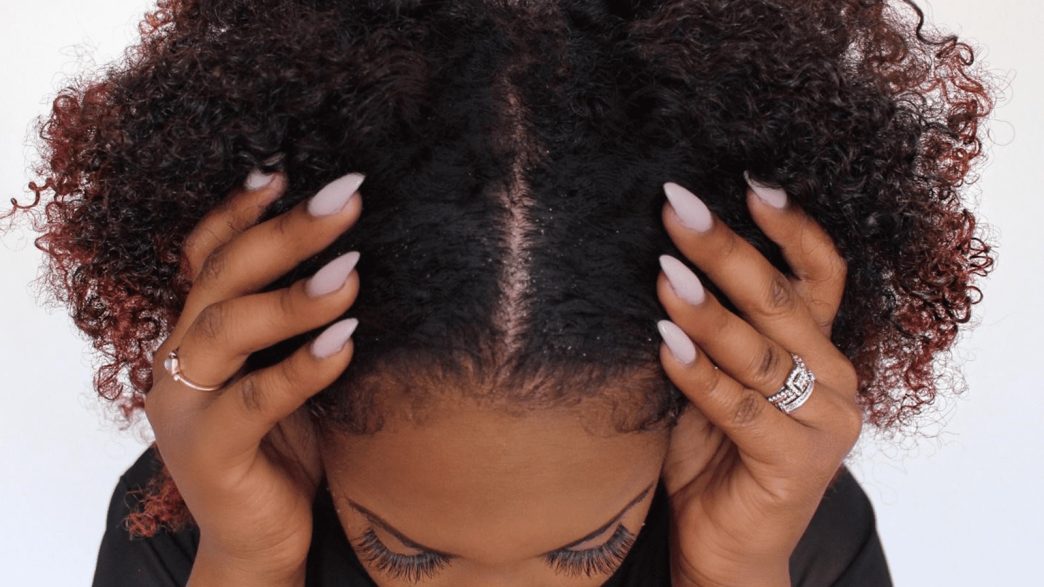
Dandruff are those annoying white flakes, non-stop itch, and embarrassing buildup on your scalp that is no respecter of persons.
It’s not caused by poor hygiene but often stems from factors like Malassezia yeast overgrowth (a natural fungus on the scalp), excess oil, dry skin, stress, or seasonal changes.
Dandruff is mostly caused by a fungus called Malassezia which lives on the skin. Other things like excessively oily scalp, hair products and cold weather. Other skin conditions like eczema, ringworm and psoriasis can also cause your scalp to flake. 
Although there’s no cure for dandruff, it’s highly manageable with the right approach. Here are the top 3 effective solutions, backed by dermatologists.
SEE ALSO: 5 Mistakes That Make You Hide Your Natural Hair Under Wigs
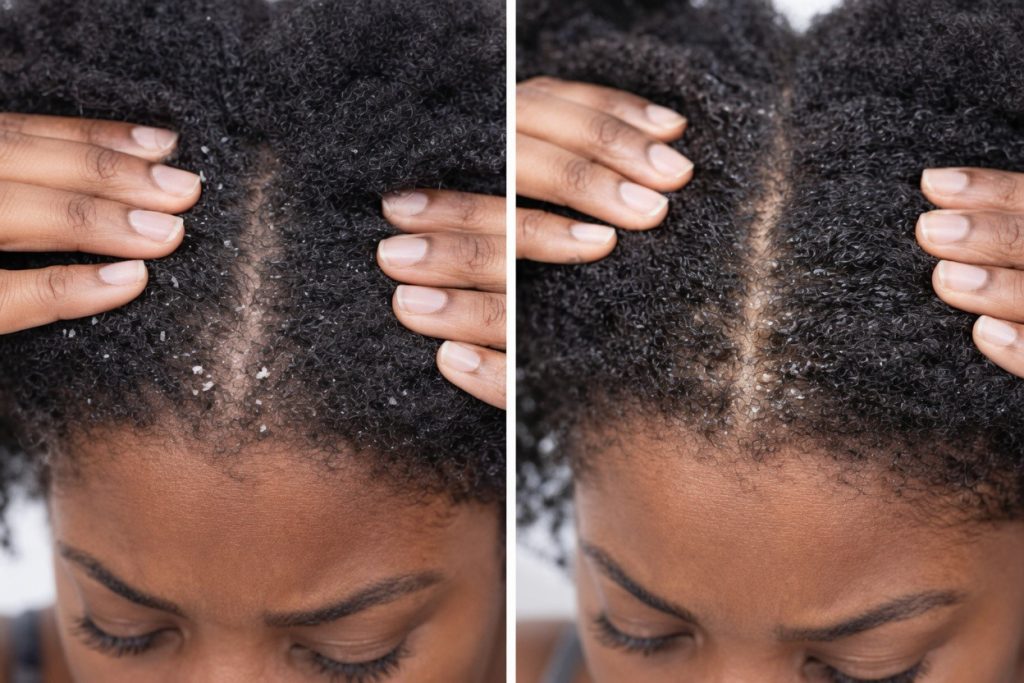
1. Medicated Anti-Dandruff Shampoos
The major treatment of dandruff is using a medicated shampoo (popularly known as anti-dandruff shampoo) with active ingredients that fight the root causes which include fungus, inflammation, and excess flakes.
Key Ingredients to Look For in Your Shampoo
According to WebMD’s Guide to Dandruff Treatment, these are some ingredients that must be active in your shampoo to fight against dandruff.
Ketoconazole: A powerful antifungal that targets Malassezia yeast. It is often recommended as a top choice by dermatologists for moderate cases. Use at least twice a week, leave it on for 3-5 minutes before washing it off.
Zinc pyrithione: Gentle, antimicrobial, and great for sensitive scalps or daily use.
Selenium sulfide: Effective against yeast and flaking.
Salicylic acid: Helps exfoliate and remove scales when paired with antifungals.
For mild cases, start with regular washing. If your hair feels dry, follow up with a moisturising conditioner. Results often appear in a few weeks with consistent use. If you don’t see any improvement from over-the-counter shampoos, see a dermatologist to be prescribed stronger versions.
2. Scalp Care and Natural Remedies
For better results, support your shampoo routine with habits and home options that soothe the scalp and prevent buildup.
Shampoo at least once a week with lukewarm water to remove excess oil and dead skin. Using hot water can worsen dryness, hence, avoid it. Use lukewarm or cold water.
Use Natural Helpers
Some natural oils help to manage dandruff when they are used regularly. Some of these include:
Coconut oil: For effectiveness, massage the oil in, leave it on your scalp for an hour, then wash out with a shampoo. This moisturises your scalp and helps it with its mild antifungal properties.
Tea tree oil: Add a few drops of tea tree oil to your shampoo to boost antimicrobial properties. Tea tree oil is an essential oil, hence you need to dilute it properly to avoid scalp irritation.
Another natural helper against dandruff are Aloe vera and diluted apple cider vinegar rinses. These are known to soothe irritation and balance the scalp.
These aren’t supposed to get rid of dandruff like a miracle but they work well alongside medicated shampoos for mild dandruff or maintenance.
3. Lifestyle Tweaks
For long-term prevention, you need to make some changes in your daily routine. Mayo Clinic confirms that danndruff often flares with triggers like stress, cold or dry weather, or other underlying conditions like psoriasis. Hence, addressing them keeps flakes at bay.
Here are some lifestyle tweaks to consider:
• Manage stress through exercise, meditation, or hobbies.
• Eat a balanced diet rich in zinc, omega-3s, and stay hydrated.
• Brush your hair regularly and avoid heavy styling products that build up.
• In dry, cold weather or humid seasons, adjust routines using a humidifier, lighter oils or scalp serums.
If symptoms persist after 2-4 weeks, or if you start to notice redness, swelling, hair loss, or severe itching, consult a dermatologist. They can rule out conditions like psoriasis or eczema and offer prescription treatments like steroid lotion or stronger antifungals.

About The Author